
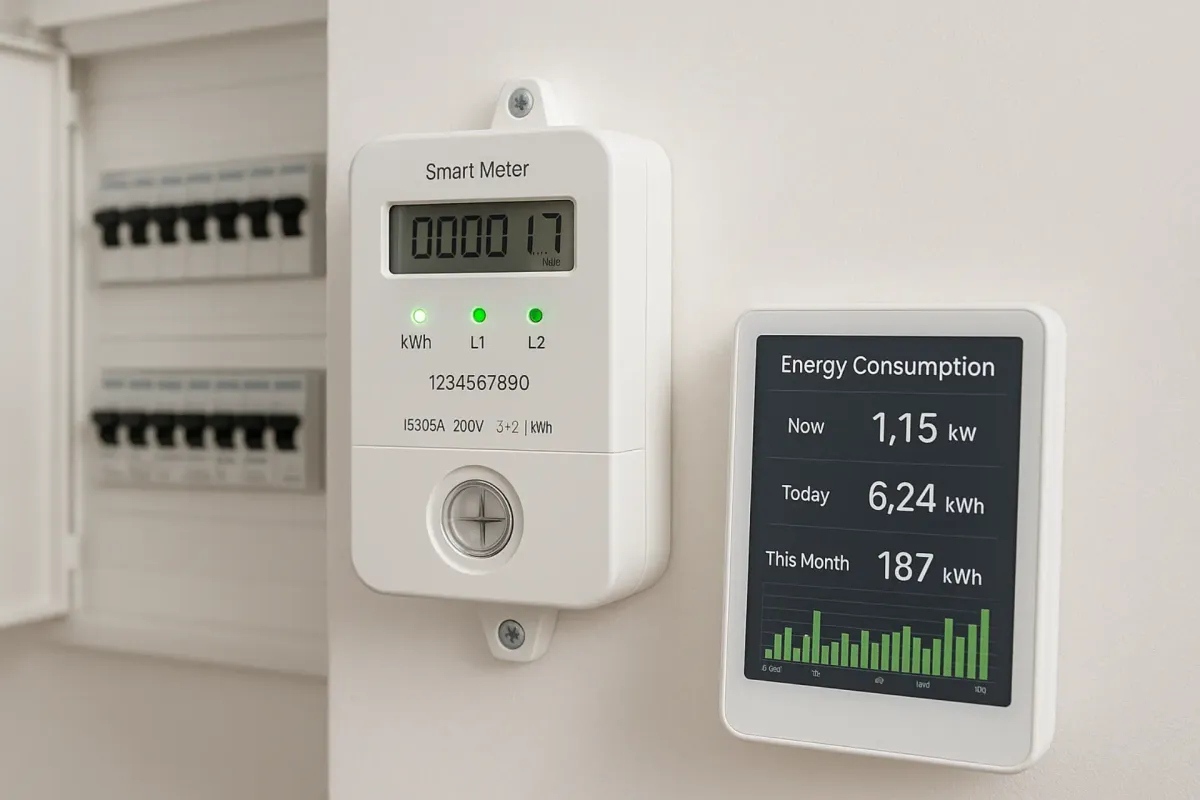

A heat pump heating a 2,000 sqft New England home uses 8,000-12,000 kWh per year for heating. At Massachusetts rates ($0.33/kWh), that's $220-$330/month during winter — still 40-50% less than oil or propane.
Home Electrification Experts — Full-Service Design to Install, 9 States
Average COP
3.0
seasonal average
Winter Peak
$726/mo
January (MA rate)
Summer Low
$182/mo
September (MA rate)
Annual Savings
$1,100
vs oil heating
Expected Usage by Home Size
The single biggest question homeowners ask before switching to a heat pump is: how much will my electric bill go up? The answer depends on your home size, insulation level, climate zone, and electricity rate. The table below provides realistic estimates for a typical New England home with moderate insulation, using cold-climate heat pump equipment with an average COP of 3.0.
These numbers assume the heat pump is your primary heating and cooling source. If you keep a backup boiler for the coldest days (below 0°F), your electric usage will be slightly lower — but you'll still have fuel costs on top.
| Home Size | Annual kWh (heating) | Winter Monthly | Summer Monthly |
|---|---|---|---|
| 1,000 sqft | 5,000–7,000 | $140–$190 | $60–$80 |
| 1,500 sqft | 7,000–9,500 | $190–$260 | $80–$110 |
| 2,000 sqft | 9,000–12,000 | $250–$330 | $100–$140 |
| 2,500 sqft | 11,000–15,000 | $300–$410 | $130–$170 |
| 3,000 sqft | 13,000–18,000 | $360–$490 | $150–$200 |
A critical nuance: these are heating-only kWh figures. Your total electric bill also includes lighting, appliances, hot water (if electric), and cooking. For a typical 2,000 sqft home, base electricity usage is around 400-600 kWh/month before heating and cooling loads. The heat pump adds on top of that base.
Understanding COP and What It Means for Your Bill
COP stands for Coefficient of Performance — it measures how many units of heat a heat pump delivers per unit of electricity consumed. A COP of 3.0 means the heat pump delivers 3 kWh of heat for every 1 kWh of electricity it uses. This is why heat pumps are far cheaper to operate than electric resistance heating (COP of 1.0) or even oil and gas.
The critical detail is that COP changes with outdoor temperature. When it's 45°F outside, a modern cold-climate heat pump might achieve a COP of 4.0-4.5. When it's 5°F, that COP drops to 2.0-2.5. At -10°F, it might drop further to 1.5-2.0 on some models. This is why your January electric bill is significantly higher than your March bill even though both are heating months.
4.0–4.5
45°F and above
3.0–4.0
30°F to 45°F
2.5–3.0
15°F to 30°F
2.0–2.5
0°F to 15°F
1.5–2.0
Below 0°F
COP by Temperature — What to Expect
- 45°F and above: COP 4.0–4.5 (very efficient, low cost)
- 30°F to 45°F: COP 3.0–4.0 (good efficiency)
- 15°F to 30°F: COP 2.5–3.0 (moderate efficiency)
- 0°F to 15°F: COP 2.0–2.5 (still beats oil at $4.20/gal)
- Below 0°F: COP 1.5–2.0 (some models, still competitive)
Here's the math that matters: at a COP of 2.0 and Massachusetts' $0.33/kWh rate, your cost per 100,000 BTU of delivered heat is about $4.84. Oil at $4.20/gal with an 85% efficient boiler costs $3.57 per 100,000 BTU. So below roughly 5°F, oil can be cheaper per BTU — but those hours represent only 2-3% of the heating season. Averaged across the full winter, the heat pump wins decisively.
Month-by-Month Electric Bill Breakdown
This is what a real electric bill looks like for a 2,000 sqft home in Massachusetts heated entirely with a cold-climate heat pump. The base load (lights, fridge, laundry, cooking) is approximately 400 kWh/month year-round. Heating and cooling loads vary by season.
| Month | Avg COP | Heat kWh | Cool kWh | Total kWh | Est. Cost |
|---|---|---|---|---|---|
| January | 2.2 | 1,800 | — | 2,200 | $726 |
| February | 2.3 | 1,650 | — | 2,050 | $677 |
| March | 2.8 | 1,200 | — | 1,600 | $528 |
| April | 3.5 | 600 | — | 1,000 | $330 |
| May | 4 | 150 | 50 | 600 | $198 |
| June | 4.5 | 0 | 250 | 650 | $215 |
| July | 4.2 | 0 | 400 | 800 | $264 |
| August | 4.2 | 0 | 380 | 780 | $257 |
| September | 4 | 0 | 150 | 550 | $182 |
| October | 3.8 | 300 | — | 700 | $231 |
| November | 3 | 900 | — | 1,300 | $429 |
| December | 2.4 | 1,600 | — | 2,000 | $660 |
Notice the seasonal swing: January costs roughly $726 while September costs $182. The annual total for this scenario is approximately $4,697, which includes all electricity — not just heating. Compare that to a home on oil heat: $3,400/year for oil alone, plus $2,400/year for base electricity, totaling $5,800/year. The all-electric heat pump home saves about $1,100 annually while eliminating the oil tank entirely.
Electricity Rates by State
Your electricity rate has an enormous impact on heat pump economics. Massachusetts and Connecticut have some of the highest rates in the country, but they also have the highest fuel oil prices — so the savings math still works. States with lower electric rates see even more dramatic savings on a per-BTU basis.
| State | Rate ($/kWh) | 2,000 sqft Winter/mo | vs Oil Heating/mo |
|---|---|---|---|
| Massachusetts | $0.33 | $183 | $533 |
| Connecticut | $0.27 | $200 | $450 |
| Rhode Island | $0.28 | $207 | $442 |
| New Hampshire | $0.25 | $142 | $467 |
| Vermont | $0.22 | $142 | $533 |
| Maine | $0.26 | $137 | $483 |
| New Jersey | $0.26 | $142 | $367 |
| Pennsylvania | $0.20 | $150 | $350 |
| Texas | $0.14 | $207 | $367 |
Heat Pump vs Oil vs Gas vs Propane: Annual Cost Comparison
One of the most common concerns we hear: "My electric bill tripled after installing a heat pump!" That statement is technically true — and completely misleading. Your electric bill goes up because you moved your heating load onto it. But your oil or gas bill drops to zero. What matters is the total energy cost.
Fossil Fuel Heating Costs
- Oil Boiler (85% eff)$3,400/yr
- Propane Furnace (90% eff)$3,800/yr
- Gas Furnace (92% eff)$2,100/yr
- Electric Resistance$4,600/yr
Heat Pump (COP 3.0 avg)
- Annual heating cost$1,100/yr
- Peak winter month$310/mo
- Savings vs oil$2,300/yr
- Savings vs propane$2,700/yr
| Heating System | Fuel Cost | Annual Heat Cost | Peak Winter/mo |
|---|---|---|---|
| Oil Boiler (85% eff) | $4.20/gal | $3,400 | $567 |
| Gas Furnace (92% eff) | $1.85/therm | $2,100 | $350 |
| Propane Furnace (90% eff) | $3.50/gal | $3,800 | $633 |
| Electric Resistance | $0.33/kWh | $4,600 | $767 |
| Heat Pump (COP 3.0 avg) | $0.33/kWh | $1,100 | $310 |
The propane comparison is especially striking. Propane homes in rural New England pay $3,800 or more per year for heating alone. Switching to a heat pump cuts that cost to approximately $1,100 — a savings of $2,700/year. For propane homes, a heat pump often pays for itself in under 4 years even without state rebates.
See Your Estimated Savings
Get a personalized electricity cost estimate based on your home, fuel type, and state.
How to Read Your Electric Bill After Installing a Heat Pump
After your heat pump is installed, your electric bill will look different. Here's how to make sense of it and avoid unnecessary panic when that first January bill arrives.
Find Your kWh Usage
Every utility bill shows total kilowatt-hours consumed during the billing period. In Massachusetts (Eversource, National Grid), this is prominently displayed on page one. Compare this month’s kWh to the same month last year. If you had oil heat before, your pre-heat-pump winter electric usage was probably 500–700 kWh/month. With a heat pump, expect 1,500–2,200 kWh in deep winter months.
Calculate Your Heating Cost Separately
Take your total kWh and subtract your base load (summer months give you a good baseline — typically 400–600 kWh). Multiply the remainder by your per-kWh rate to see what you’re spending specifically on heating. A January bill of 2,000 kWh with a 400 kWh base means 1,600 kWh went to heating — that’s $528 at Massachusetts’ $0.33/kWh rate.
Compare to Your Old Fuel Costs
Look back at your oil delivery receipts from the same period. A typical January oil delivery of 120–150 gallons at $4.20/gal is $504–$630. When you compare those numbers side by side, the heat pump usually wins — and you got air conditioning included for free.
Real Homeowner Example — Concord, MA
A 2,200 sqft Colonial switched from oil heat to a Mitsubishi Hyper-Heat system in 2024. Their numbers for the 2024-2025 heating season:
- Previous annual oil cost: $3,800 (900 gallons at $4.22/gal)
- Previous annual electric: $2,280 (base load only)
- Previous total energy cost: $6,080/year
- New annual electric (all-in): $4,560 (heat pump + base load)
- Annual savings: $1,520/year — plus no more oil tank maintenance
7 Ways to Reduce Heat Pump Electricity Usage
If your bills are higher than expected, there are practical steps to improve efficiency:
Keep Your Thermostat Steady at 68°F
Large setbacks force the system to recover using less-efficient operation or backup heat. A constant temperature uses less total electricity than a big nightly setback.
Change Filters Every 60–90 Days
A dirty filter restricts airflow, reduces COP, and forces the system to work harder. This alone can increase electricity usage by 10–15%.
Keep the Outdoor Unit Clear
Snow, ice, leaves, and debris around the outdoor unit restrict airflow and trigger excessive defrost cycles. Maintain 2 feet of clearance on all sides and elevate the unit above snow line.
Set Your Auxiliary Heat Lockout Temperature
Most thermostats let you set a temperature below which backup electric resistance heat kicks in. Set this to the lowest temperature your heat pump handles effectively — typically 5°F to 10°F for cold-climate models. Every degree higher costs you money.
Insulate and Air-Seal Your Home
The less heat your home loses, the less the heat pump has to produce. A Mass Save or Energize CT energy assessment (free in most cases) will identify the biggest air leaks.
Use a Time-of-Use Rate If Available
Some utilities offer lower rates during off-peak hours. Running your heat pump at a slightly higher temperature during cheap hours and letting it coast during peak hours can shave 10–20% off your bill.
Make Sure Your System Is Properly Charged
Low refrigerant reduces COP dramatically. If your system was installed more than a year ago and performance seems to have declined, ask your HVAC technician to check the refrigerant charge.
Understanding Your Total Electric Bill
When you switch from oil to a heat pump, your electric bill goes up but your oil bill goes to $0. Most homeowners see their total energy bill drop 30-50%. The increase in electricity is always less than the elimination of fuel costs.
The psychological challenge is real: seeing a $700 electric bill in January feels alarming when you're used to $200. But remember — you used to also get a $500+ oil delivery that same month. Your total outlay dropped from $700+ to $700, and you gained central air conditioning you never had before.
Track Your Total Energy Spend
For the best comparison, track your total energy spend (electricity + fuel) month by month for a full year after your heat pump is installed. By the end of the year, the savings become clear — especially when you factor in the summer cooling you now have at no additional equipment cost.
Ready to Get a Heat Pump Quote?
Get a free, no-obligation quote from NuWatt Energy. We handle design, permits, and installation.
Frequently Asked Questions
Will a heat pump double my electric bill?▼
Does a heat pump use more electricity in winter?▼
Continue Reading
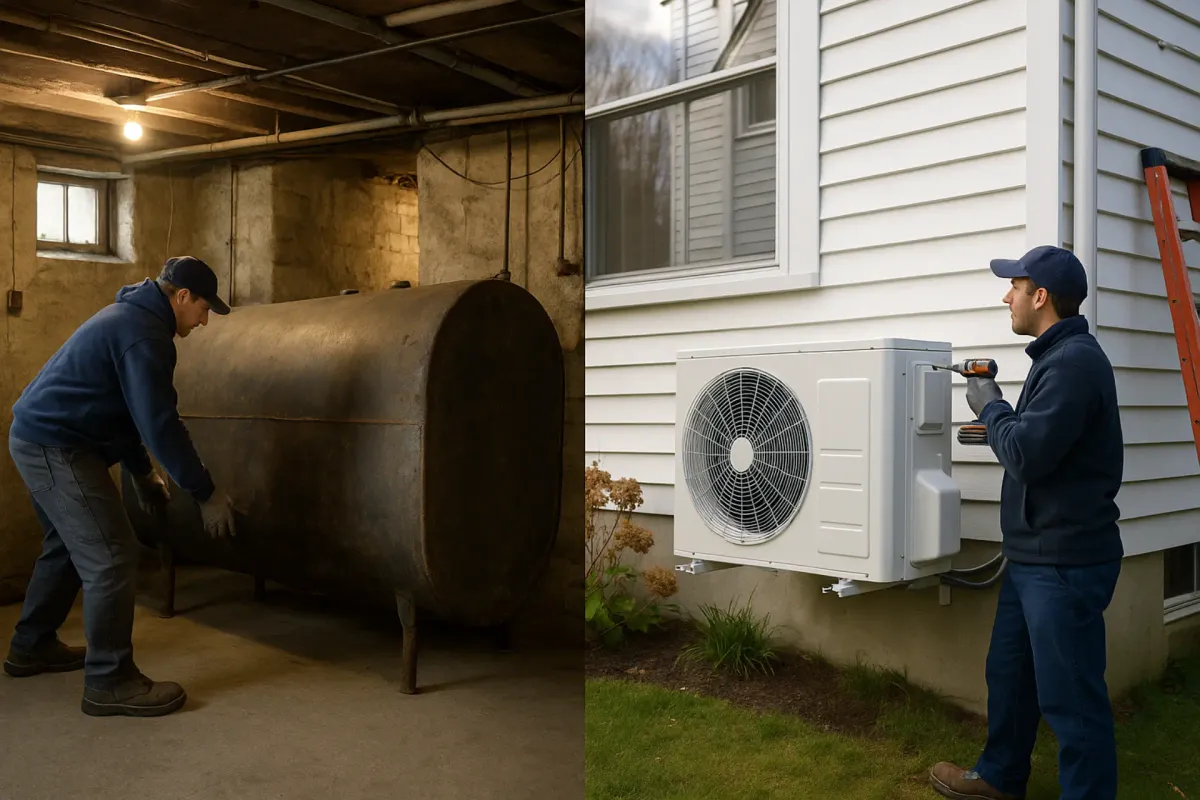
Oil-to-Heat-Pump Break-Even Calculator (Updated with EIA Data)
At current fuel prices, switching from oil to a heat pump saves $1,500-$2,600 per year in New England. Break-even ranges from 2-5 years after state rebates, depending on your oil consumption and electricity rate.
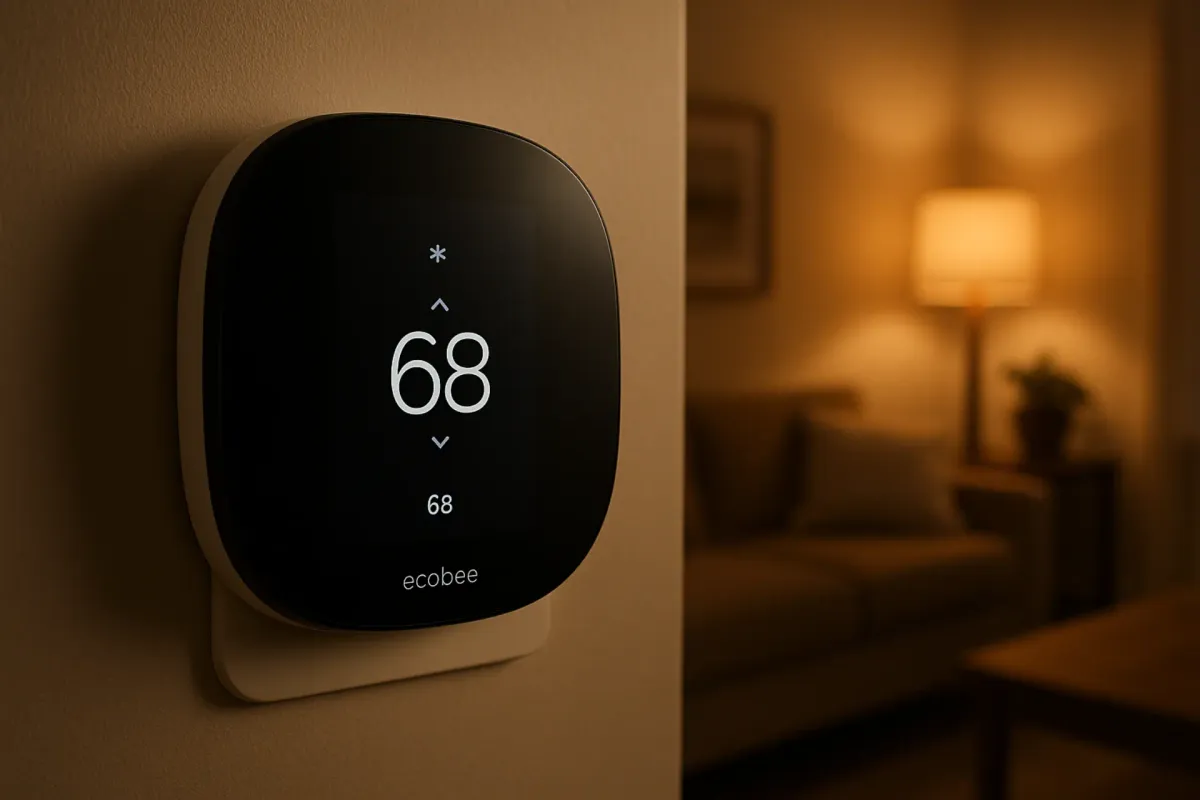
Best Heat Pump Thermostat Settings: 68°F Steady
Set your heat pump thermostat to 68°F and leave it there. Unlike furnaces, heat pumps lose efficiency with large setbacks. A 5°F setback that saves money with a furnace can actually cost more with a heat pump by triggering backup heat.
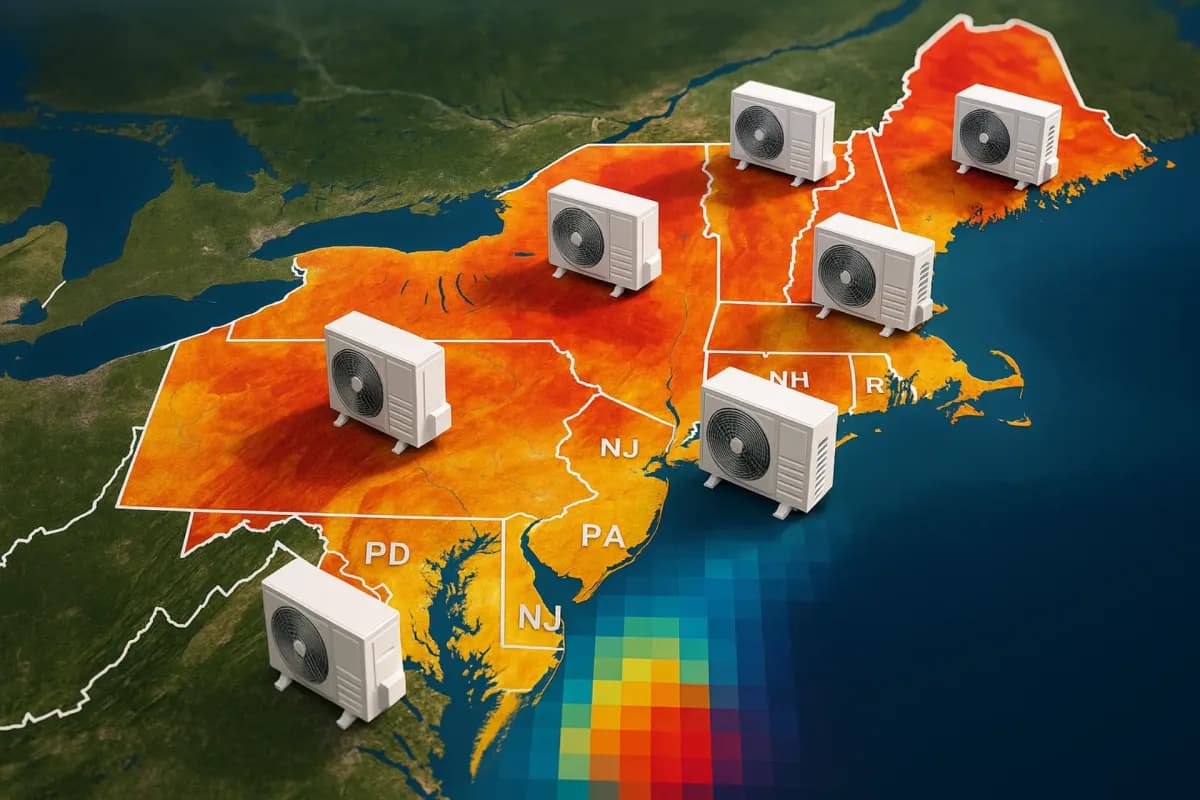
Heat Pump ROI: Cost, Incentives, and Payback by State
Heat pump payback ranges from 2 years in Rhode Island (thanks to $11,500 in rebates) to 8+ years in Pennsylvania. This state-by-state breakdown shows exact costs, incentives, and timelines.