Loading NuWatt Energy...

We use your location to provide localized solar offers and incentives.
We serve MA, NH, CT, RI, ME, VT, NJ, PA, and TX
Loading NuWatt Energy...
NuWatt designs, installs, and manages solar, battery, heat pump, and EV charger systems across 9 states. One company, one warranty, one point of contact.
Get a Free QuoteQuick Answer
Solar panel removal costs $150-$300 per panel, or $1,500-$6,000 for a typical 20-panel system. The most common reason for removal is reroofing, which costs $3,000-$8,000 total including reinstallation. Emergency storm removal runs $3,000-$10,000+. Always hire a licensed solar electrician — never attempt DIY removal due to dangerous DC voltage.
Updated March 2026. Prices based on NuWatt service data across New England and mid-Atlantic.
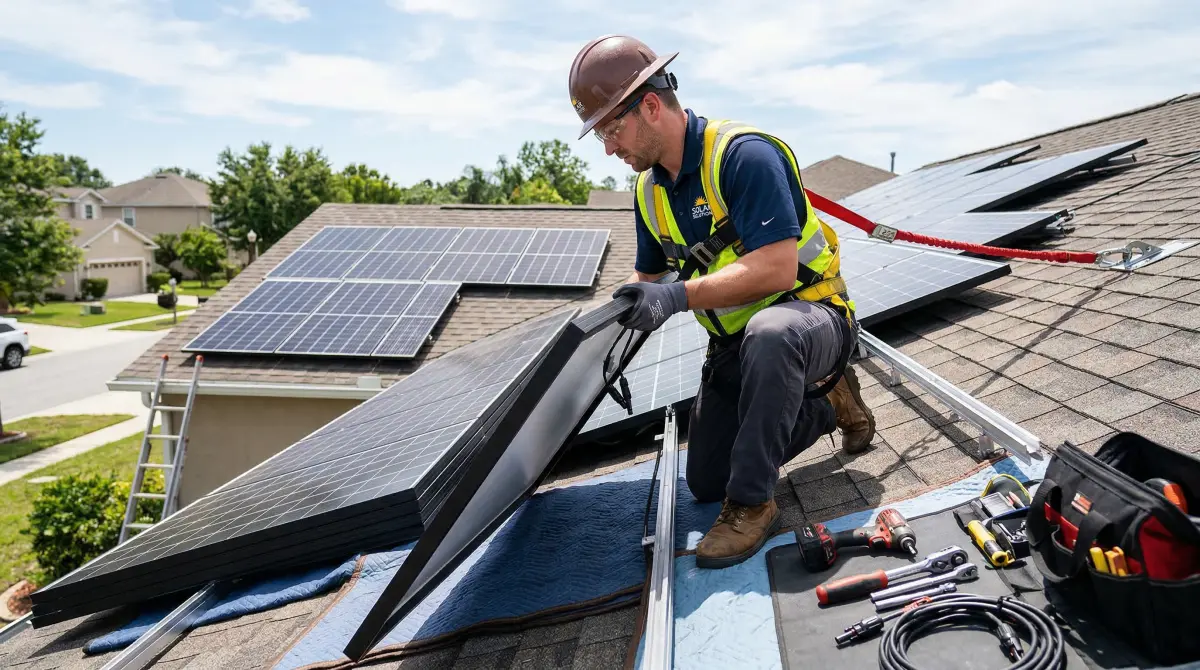
Whether you need panels off for a reroof, storm damage repair, or system upgrade — here is exactly what removal costs and how to find the right crew.
There are five main scenarios where homeowners need solar panels temporarily or permanently removed. Each has different cost implications and urgency levels.
The most common reason. Asphalt shingles last 20-30 years — if your roof needs replacement, panels must come off first. This is routine and well-understood by solar-reroof specialists.
Hail, fallen trees, or wind damage may require emergency panel removal. Insurance typically covers this, but you need a licensed solar crew — not just a roofer.
Replacing old 250W panels with modern 440W+ panels, adding more panels, or upgrading inverters. Often worth it if panels are 12+ years old.
Some buyers request panel removal (rare for owned systems, more common for leased). Or you may want to take your system to your new home (usually not cost-effective).
When your solar company went bankrupt and left a failing or dangerous system. NuWatt specializes in solar orphan rescue — diagnosing, repairing, or replacing orphaned systems.
Costs based on a typical 20-panel residential system (8-10 kW). Actual pricing varies by roof complexity, panel type, and regional labor rates.
| Service Type | Per Panel | 20-Panel System | Notes |
|---|---|---|---|
| Panel removal only | $150-$300 | $1,500-$6,000 | Basic disconnect, remove, and store panels safely |
| Removal + reinstall (reroof) | $150-$400 | $3,000-$8,000 | Most common scenario — includes reinstall after new roof |
| Removal + disposal (end of life) | $100-$250 | $2,000-$5,000 | Panel recycling/disposal fees included |
| Emergency removal (storm) | $200-$500 | $3,000-$10,000+ | Expedited service, may include structural assessment |
| Full removal + roof repair | $200-$600 | $4,000-$12,000 | Removal, penetration sealing, and roof patching |
Per Panel
$150-$300
20-Panel System
$1,500-$6,000
Basic disconnect, remove, and store panels safely
Per Panel
$150-$400
20-Panel System
$3,000-$8,000
Most common scenario — includes reinstall after new roof
Per Panel
$100-$250
20-Panel System
$2,000-$5,000
Panel recycling/disposal fees included
Per Panel
$200-$500
20-Panel System
$3,000-$10,000+
Expedited service, may include structural assessment
Per Panel
$200-$600
20-Panel System
$4,000-$12,000
Removal, penetration sealing, and roof patching
Steep roofs (8/12 pitch or higher), multi-story homes, and complex roof geometries add 20-40% to removal costs. Ground-mount systems are typically 30% cheaper to remove. Conduit runs through attic spaces add time and cost.
About 70% of solar panel removals are for roof replacement. If your roof is 15-20+ years old and you are adding solar, consider reroofing before installation. If panels are already installed and the roof needs replacing, here is the process:
Licensed electrician disconnects the system from the grid and inverter. Panels are unbolted from racking, carefully lowered, and stored on-site. Racking hardware and conduit are removed. All roof penetrations are temporarily sealed.
Roofing crew strips old shingles, inspects decking, replaces any damaged plywood, installs new underlayment and shingles. The entire roof gets done — including the area that was under the panels.
Solar crew returns to install new flashings and racking on the fresh roof, remounts panels, reconnects wiring, and re-energizes the system. A final inspection ensures everything meets code.
A coordinated solar + roofing crew can cut total project time from 3 weeks to 8-10 days.
Both roofing and solar warranties require proper installation. One crew coordinating both protects both warranties.
NuWatt's solar-reroof service bundles removal, reinstall, and roofing coordination — often saving $1,000-$2,000 vs hiring separately.
The fate of your panels depends on their age, condition, and your plans.
Panels in good condition get reinstalled on your new roof. Modern panels are rated for 25-30 years. If yours are under 15, reinstallation is almost always the right call.
If panels are producing significantly less than rated (beyond normal degradation), upgrading to modern 440W+ panels during the reroof can boost output by 30-50%.
End-of-life panels should be recycled. Silicon, aluminum, glass, and copper are recoverable. Check with your state for certified e-waste recyclers that accept solar panels.
Solar panels contain trace amounts of lead and cadmium. They should never go in regular landfill. Disposal fees run $15-$30 per panel through certified recyclers.
Since 2020, dozens of solar companies have gone bankrupt or closed — leaving hundreds of thousands of homeowners with “orphaned” systems. If your original installer is gone:
If your original installer is still operating, they are usually the best choice for removal. They know your system layout, have the original engineering plans, and can maintain warranty coverage.
Call your original installer first. They should offer competitive removal/reinstall pricing and maintain your full warranty coverage. Ask if they coordinate with roofers.
Panel manufacturer warranties (typically 25 years) survive installer bankruptcy — they cover the product, not the labor. But workmanship warranties (roof penetrations, wiring) die with the installer. A new installer can provide fresh workmanship coverage on the reinstall.
NuWatt services orphaned systems from any manufacturer. We diagnose the full system, handle removal/reinstall, and provide our own 10-year workmanship warranty — even on systems we did not originally install. See our solar system repair service.
We understand the temptation to save money. But solar panel removal is one of the few home projects where DIY can genuinely kill you.
Solar panels produce up to 600V DC whenever exposed to light. Unlike AC circuits, DC voltage cannot be switched off with a breaker. Even a single panel produces enough voltage to cause cardiac arrest. Professionals use specialized lockout/tagout procedures and arc-flash-rated PPE.
Improper removal can crack shingles, break flashing seals, and create leak points. Each racking bolt penetrates the roof — if not properly sealed after removal, water intrusion can cause thousands in hidden damage before you notice.
Both panel manufacturers and roofing manufacturers will void warranties if an uncertified person removes or reinstalls equipment. This can cost you 20+ years of warranty coverage on panels worth $10,000+.
Electrical work on solar systems requires permits in every state. Unpermitted work can void your homeowners insurance, create problems at home sale, and result in fines. Your insurance may deny a claim if DIY work caused damage.
The $3,000-$8,000 for professional removal is not a luxury — it is the cost of not electrocuting yourself, not destroying your roof, and not voiding $15,000+ in warranties.
Not all solar companies handle removals well. These questions separate the professionals from the corners-cutters.
Why it matters: Solar removal involves high-voltage DC wiring. A general roofer cannot safely disconnect a solar array. Verify their electrical license and solar-specific experience.
Why it matters: If panels are damaged during removal or your roof leaks afterward, you need coverage. Get a certificate of insurance before work begins.
Why it matters: Your utility needs to be notified before disconnection and after reinstallation. A professional crew handles this coordination.
Why it matters: The reinstall should come with at least a 5-year workmanship warranty covering roof penetrations and electrical connections.
Why it matters: Good crews coordinate directly with the roofer to minimize downtime. The total process should be 1-2 weeks, not months.
More resources for homeowners dealing with solar system changes.
How to evaluate your roof age and condition before adding panels — and why a new roof first can save thousands.
Read guideOur bundled service coordinates solar removal, reroofing, and reinstallation in one seamless project.
Read guideYour solar company went bankrupt? We diagnose, repair, and maintain orphaned systems from any manufacturer.
Read guideUnderperforming system? Broken inverter? Monitoring offline? Our technicians troubleshoot and fix any brand.
Read guideWhat maintenance solar panels actually need (spoiler: less than you think) and when to call a pro.
Read guideUnderstanding product vs. performance warranties, what voids them, and how to file a claim.
Read guideAnswers to the most common questions about solar panel removal costs and process.
Solar panel removal costs $150-$300 per panel, or $1,500-$6,000 for a typical 20-panel system. If you need removal plus reinstallation after reroofing, expect $3,000-$8,000 total. Emergency removal after storm damage can cost $3,000-$10,000+.
No. DIY solar panel removal is extremely dangerous. Solar panels produce DC voltage (up to 600V) that cannot be turned off while exposed to light. You also risk voiding warranties, damaging your roof, and violating electrical codes. Always hire a licensed electrician.
Removing panels from a typical 20-panel residential system takes 4-8 hours (one full day). If you are removing for reroofing, the full process is: removal (1 day), reroofing (2-5 days), reinstallation (1 day) — about 1-2 weeks total.
Yes. Solar panels, racking, and conduit must be fully removed before reroofing. Some roofers will skip the area under panels, but this leaves vulnerable sections that will fail first. Always do a complete reroof with panels temporarily removed.
Your solar system will be offline during the entire removal and reroofing process, typically 1-2 weeks. Plan for slightly higher electric bills during this period. If you have a battery, it will also be disconnected.
Professional removal should not damage your roof. Experienced crews remove racking bolts and properly seal all penetration points. However, if your installer used improper flashing or your roof is already deteriorated, some repair may be needed.
If your original installer is still in business, they are usually the best choice since they know your system. However, many solar companies have gone bankrupt since 2020. If your installer is gone, any licensed solar electrician can handle removal — this is called "solar orphan rescue."
Solar panels contain recyclable materials (silicon, aluminum, glass, copper). Contact your state environmental agency for approved recyclers. Some manufacturers offer take-back programs. Panels should never go in regular landfill due to trace heavy metals.
It depends. If a certified installer removes and reinstalls them following manufacturer guidelines, most panel warranties remain valid. However, if an unqualified person removes them or they are improperly stored, the manufacturer can void the warranty.
If your panels are over 15 years old, upgrading during a reroof makes financial sense — newer panels produce 30-50% more power per panel. If panels are under 10 years old, reinstalling the originals is usually the better value.
Whether it is a reroof, storm damage, system upgrade, or orphan rescue — NuWatt handles it all. Licensed electricians, roofing coordination, and a 10-year workmanship warranty on every reinstall.
Or call us directly: (855) 969-8267