
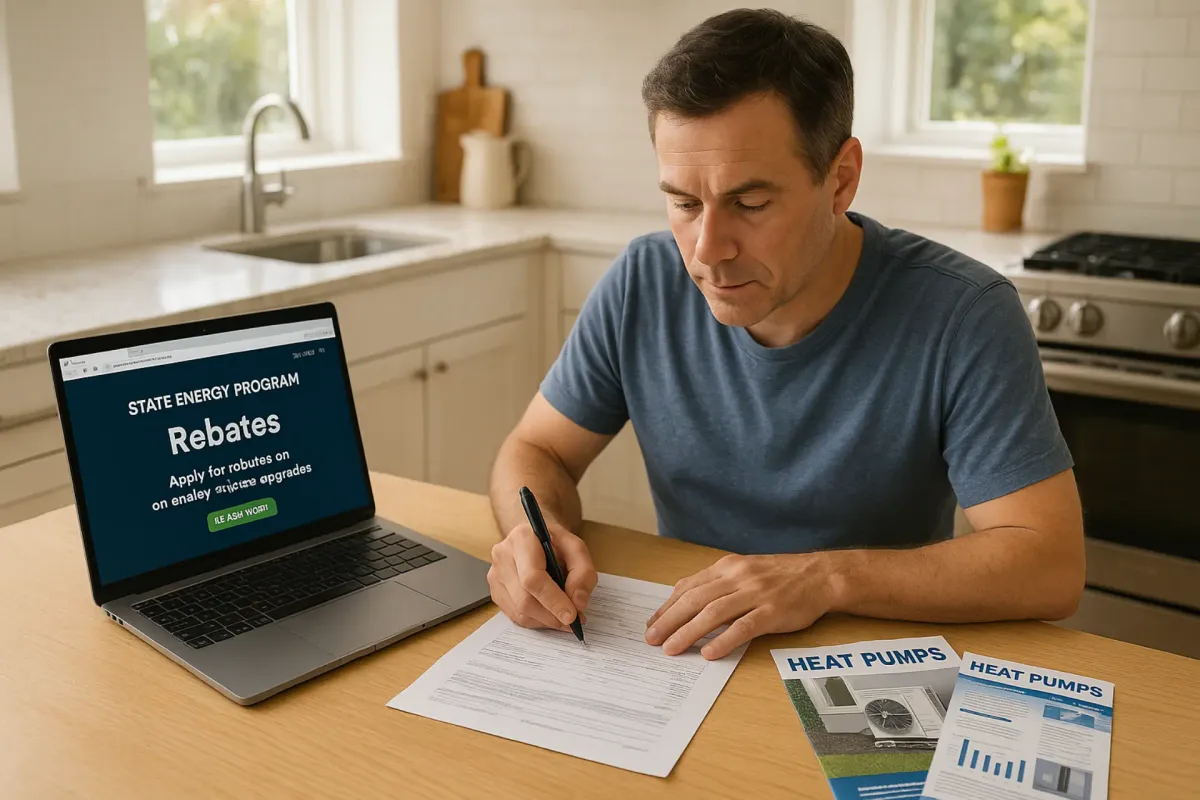

Heat pump rebates range from $450 in Pennsylvania to $11,500 in Rhode Island. This guide covers the exact steps to claim your rebate in each state.
Home Electrification Experts — Full-Service Design to Install, 9 States
Top Rebate
$11,500
Rhode Island
Lowest Rebate
$450
Pennsylvania
Point-of-Sale
2 states
RI, MA
Avg Rebate
$4,900
across service area
Why State Rebates Matter More Than Ever in 2026
With the federal residential tax credits (Section 25C and Section 25D) eliminated under the One Big Beautiful Bill Act, state rebate programs have become the single most important factor in determining the cost of your heat pump installation. In 2024, state rebates were a nice bonus on top of a federal credit. In 2026, state rebates are the entire incentive — the difference between a heat pump that pays for itself in two years and one that takes a decade.
The disparity between states is striking. A homeowner in Rhode Island can receive up to $11,500 from Clean Heat RI, reducing a typical $13,500 installation to just $2,000 out of pocket. A homeowner across the border in Connecticut receives up to $3,750 from Energize CT for the same project. And a homeowner in Pennsylvania gets just $450. Same equipment, same installation process, vastly different economics — all because of where you live.
This guide provides an overview of every state program in the NuWatt service area. Select your state below for a detailed, step-by-step claim guide tailored to your specific program requirements.
State-by-State Rebate Overview
Heat pump rebates vary dramatically by state. Rhode Island offers up to $11,500 while Pennsylvania currently offers just $450. Select your state below for a detailed step-by-step claim guide with program-specific deadlines, eligibility requirements, and application links.
Top Tier ($7,500+)
Mid Tier ($1,250–$3,000)
Rebate Comparison Table
The table below compares every state program side by side. Pay attention to the "Point of Sale" column — this indicates whether the rebate is applied upfront (reducing your invoice) or reimbursed after installation (you pay full price and receive a check weeks later). Point-of-sale rebates are significantly better for your cash flow.
| State | Program | Standard | Income-Eligible | Point of Sale? |
|---|---|---|---|---|
| Massachusetts | Mass Save | $8,500 | $25,000 | |
| Connecticut | Energize CT | $10,000 | $8,000 | |
| Rhode Island | Clean Heat RI | $11,500 | $11,500 | |
| New Hampshire | NHSaves | $1,250 | $10,000 | |
| Vermont | Efficiency Vermont | $2,200 | $4,400 | |
| Maine | Efficiency Maine | $3,000 | $9,000 | |
| New Jersey | NJ Whole Home | $7,500 | $8,900 | |
| Pennsylvania | PA Utility Rebate | $450 | — | |
| Texas | TX Utility Rebate | $800 | — |
How State Heat Pump Rebates Work
Every state structures its rebate program slightly differently, but the general process follows the same pattern. Understanding this process before you start shopping will save you time and prevent the most common application mistakes.
Home Energy Assessment
Most programs begin with assessment. In MA, Mass Save Home Energy Assessment is free. In CT, Home Energy Solutions audit costs $50-$149. Assessment establishes baseline, identifies air leakage/insulation issues, recommends right sizing.
Select Participating Contractor
Most state programs maintain list of approved/registered installers. Using non-participating contractor can disqualify rebate entirely. NuWatt is registered participating contractor in all ten states we serve.
Pre-Approval (if required)
Some programs (Mass Save, NJ Whole Home, Efficiency Maine) require installer to submit application and receive approval before starting work. Others allow install first, apply afterward. Installing before getting pre-approval when required will forfeit rebate.
Installation & Documentation
After installation, you or contractor submits proof: invoices, equipment model numbers, permit sign-offs, sometimes before-and-after photos. Rebate is then applied at point of sale (pay reduced amount upfront) or mailed as check within 4-12 weeks.
Income-Qualified Enhanced Rebates
Many state programs offer dramatically higher rebates for income-eligible households. These enhanced tiers exist because states recognize that lower-income homeowners are often stuck with the least efficient heating systems (old oil boilers, electric resistance baseboard heat) and face the highest energy burdens as a percentage of their income.
Always Check Income Eligibility
Many homeowners assume they earn too much to qualify. The 150% AMI threshold in Boston metro, for example, covers a family of four earning up to approximately $180,000. In rural Vermont or Maine, threshold is lower but still covers most working families. Always check before assuming you only qualify for standard tier.
The income thresholds vary by state and are typically based on a percentage of the Area Median Income (AMI) or the Federal Poverty Level (FPL). In Massachusetts, income-eligible households can receive up to $16,000 — nearly double the standard $8,500 rebate. In Maine, enhanced rebates reach $9,000 compared to $3,000 standard. In Rhode Island, income-qualified households can receive up to $15,000.
General Tips for Claiming Rebates
Regardless of which state you live in, these best practices will help you maximize your rebate and avoid common pitfalls:
Use program-registered contractor — non-registered installer may give lower quote, but if you lose $5,000+ rebate, you are not saving money
Document everything — keep copies of invoices, model numbers, serial numbers, permits, before-and-after photos, energy audit report
Apply early — some programs have annual funding caps. Applying January-March gives best odds of receiving full rebate
Let installer handle paperwork — experienced contractors like NuWatt have filed hundreds of applications and know the forms, timelines, requirements
Check income eligibility — enhanced rebates can double or triple your savings. Numbers are often higher than homeowners expect
Ask about bundling — several programs offer bonus rebates when you combine heat pump with insulation, air sealing, or HP water heater
Do Not Wait for "Better" Rebates
State programs can change annually. Funding levels may decrease if demand is high or if legislative priorities shift. The rebate available today is the one you can count on.
Understanding the Difference: Rebates vs. Tax Credits
With the federal tax credits gone, some homeowners ask about the difference between rebates and credits. A rebate is a direct payment — either a check mailed to you or a discount on your invoice. You receive the full amount regardless of your tax liability. A tax creditreduces the amount of federal income tax you owe. If you owe $1,000 in taxes and have a $2,000 credit, you only use $1,000 of it (or receive the rest as a refund if the credit is refundable).
All of the state incentives discussed on this page are rebates, not tax credits. This is actually an advantage for many homeowners because you receive the full rebate amount regardless of your tax situation. Retirees, homeowners with low tax liability, and households that already receive large refunds all benefit equally from rebates — which was not always the case with the old federal tax credits.
Get Your Rebate-Adjusted Quote
NuWatt files all rebate paperwork. See your net cost upfront.
Frequently Asked Questions
Do I apply for the rebate before or after installation?▼
How long does it take to receive the rebate?▼
Continue Reading
Heat Pump Tax Credit 2026: Federal Credit Expired, Rebates Remain
New installations and a 2025 return filed in 2026 are different. Understand the Section 25C air-source deadline, geothermal distinction, and separate state rebate rules.
Can You Stack Federal Heat Pump Credits + Utility Rebates?
In 2026, there is no federal credit to stack. Your savings come from combining state program rebates with utility incentives.
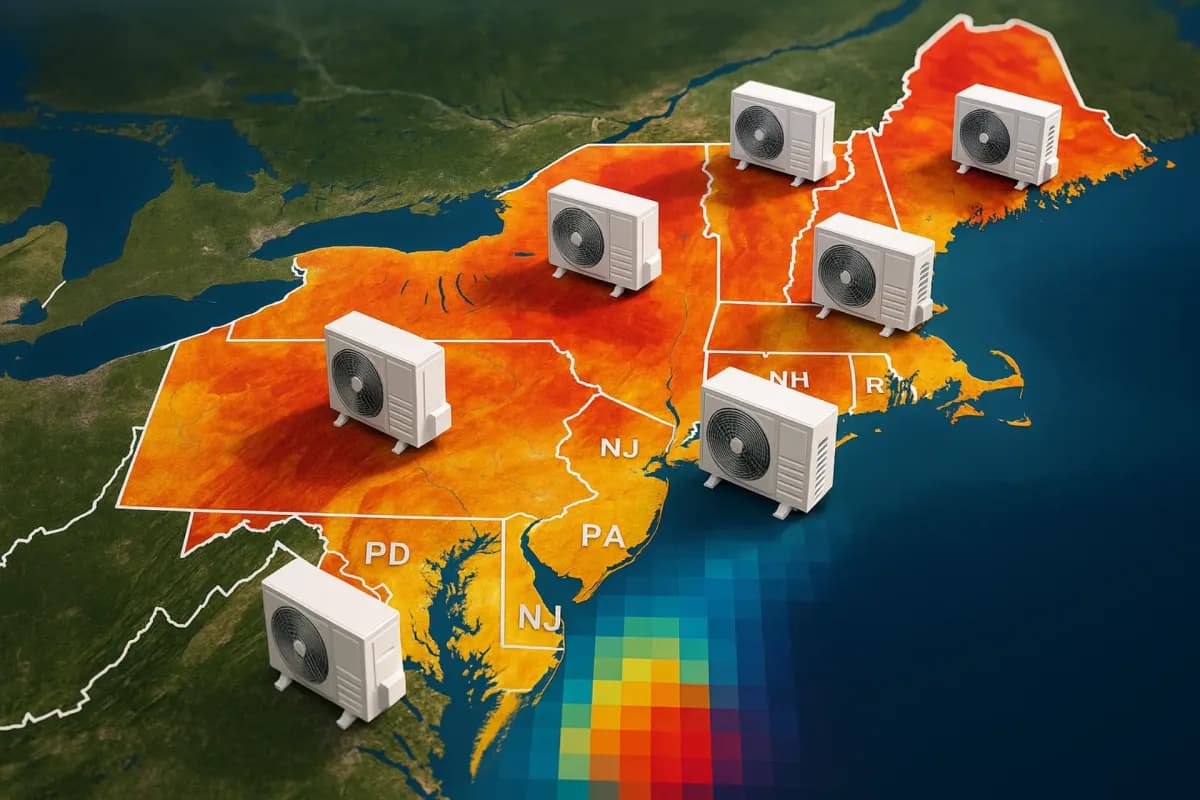
Heat Pump ROI: Cost, Incentives, and Payback by State
Heat pump payback ranges from 2 years in Rhode Island (thanks to $11,500 in rebates) to 8+ years in Pennsylvania. This state-by-state breakdown shows exact costs, incentives, and timelines.