Loading NuWatt Energy...

We use your location to provide localized solar offers and incentives.
We serve MA, NH, CT, RI, ME, VT, NJ, PA, and TX
Loading NuWatt Energy...
NuWatt designs, installs, and manages solar, battery, heat pump, and EV charger systems across 9 states. One company, one warranty, one point of contact.
Get a Free QuoteMassachusetts winters demand cold-climate-rated heat pumps that maintain heating capacity well below zero. We rank 8 brands on the metrics that matter for MA: minimum operating temperature, COP at 5°F, HSPF2, Mass Save qualification, noise, warranty, and real installed pricing. Seven qualify for Mass Save rebates up to $8,500. One does not.
Tell us about your home and we'll recommend the best heat pump brand.
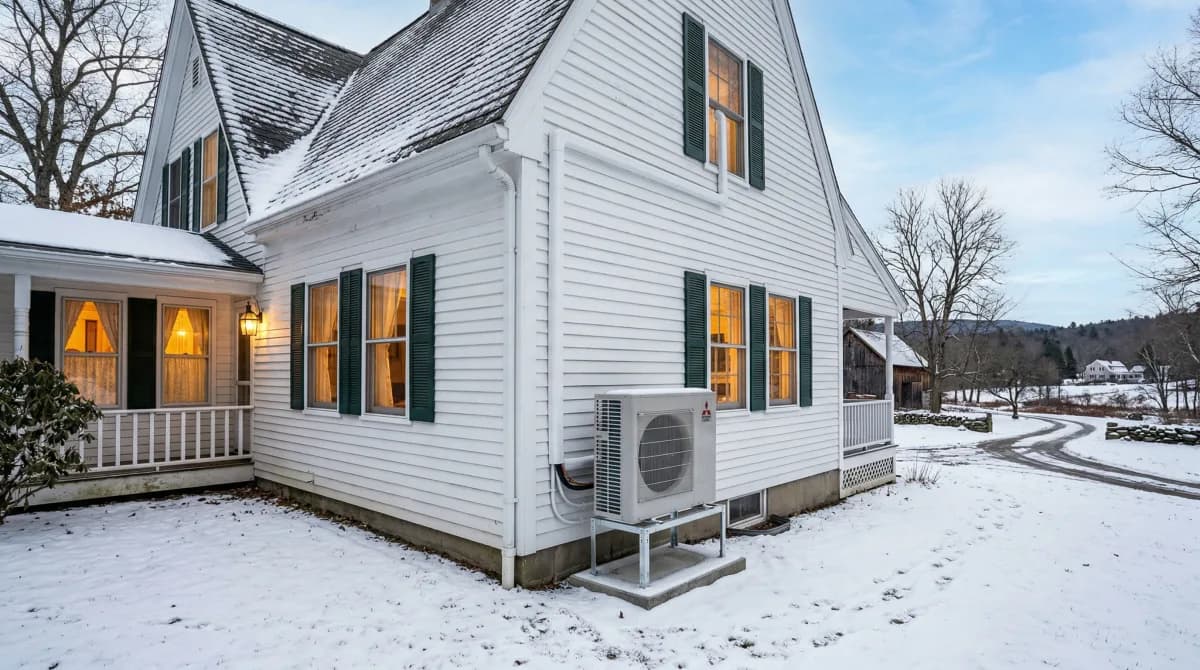
Massachusetts spans ASHRAE Climate Zones 5A (coast) and 5A/6A (interior/Berkshires). Boston's design temperature is 9°F, Worcester is 4°F, and the Berkshires drop to -5°F. Four performance metrics separate a reliable MA heat pump from one that struggles in January.
-13°F to -22°F recommended
The lowest temperature at which the unit can heat effectively. Boston sees 10-15 nights below 10°F per winter, Worcester more. Choose a unit rated well below your area's design temperature. Brands rated to 0°F or +5°F (like Goodman) are not appropriate for MA.
1.9 to 2.2 (recommended brands)
Coefficient of Performance at 5°F measures heating efficiency on cold mornings. COP 2.0 means 2 kWh of heat per 1 kWh of electricity. The range among recommended brands is 1.9-2.2. Higher COP = lower heating bills. Goodman's 1.5 COP means 40% more electricity for the same heat vs Mitsubishi.
Required for $250–$8,500 rebate
Mass Save requires ENERGY STAR 6.1 Cold-Climate certification, HSPF2 ≥ 8.5, COP ≥ 1.75 at 5°F, and R-32 or R-454B refrigerant. Installation must be by a contractor participating in the Mass Save Heat Pump Installer Network. With 25C expired, this is the primary financial incentive for MA heat pump buyers in 2026.
R-410A is being phased out
As of January 2025, new residential HVAC equipment must use lower-GWP refrigerants. R-32 (GWP 675) and R-454B (GWP 466) replace R-410A (GWP 2,088). All seven recommended brands have transitioned. Do not install new R-410A equipment in Massachusetts in 2026 — it is effectively obsolete.
Side-by-side comparison of every brand we evaluated. Seven qualify for Mass Save. Goodman/Amana is included because homeowners ask about it, but it does not meet MA cold-climate requirements.
| Spec | Mitsubishi | Fujitsu | Daikin | Bosch | LG | Carrier / Bryant | Lennox | Goodman / Amana |
|---|---|---|---|---|---|---|---|---|
| Min Operating Temp | -13°F | -15°F | -13°F / -10°F | -4°F | -13°F | -22°F | -10°F | 0°F to +5°F |
| HSPF2 | 12.5 | 12.0 | 11.5 | 11.0 | 11.5 | 13.0 | 12.0 | 9.0 |
| SEER2 | 22.0 | 20.0 | 20.0 | 20.0 | 21.0 | 24.0 | 23.5 | 18.0 |
| COP at 5°F | 2.1 | 2.0 | 2.0 | 1.9 | 1.9 | 2.2 | 2.0 | 1.5 |
| Noise (Indoor/Outdoor) | 19 dB | 21 dB | 45 dBA* | 56 dB* | 22 dB | 51 dB* | 52 dB* | 58 dB* |
| Refrigerant | R-32 | R-32 | R-32 | R-454B | R-32 | R-454B | R-454B | R-410A |
| Mass Save Qualified | ||||||||
| Installed Price | $4.5–7K/zone | $4–6.5K/zone | $3.5–5K/zone | $9–16K sys | $4.2–6.8K/zone | $10–18K sys | $11–19K sys | $6–11K sys |
* Outdoor unit noise in dB. Indoor mini-split heads are 19-22 dB. Ducted systems measure outdoor unit only. Prices are installed estimates for typical MA installations.
Each brand has specific strengths for Massachusetts conditions. Ranked by our recommendation for MA homeowners based on cold-climate performance, installer availability, Mass Save qualification, and overall value.
Ductless & Ducted (air handler)
-13°F
Min temp
2.1
COP at 5°F
12.5
HSPF2
19 dB (indoor)
Noise
Best for
Most Massachusetts homeowners. The proven default choice with the widest installer network, best cold-climate track record, and Mass Save qualification. Especially strong for multi-zone ductless installations.
Massachusetts-specific note
Mitsubishi has an estimated 40,000+ units installed in Massachusetts through Mass Save since 2011. Their Diamond Dealer program means certified service in every MA county. If you have no strong preference, Mitsubishi is the safe pick.
Ductless & Ducted
-15°F
Min temp
2
COP at 5°F
12
HSPF2
21 dB (indoor)
Noise
Best for
Budget-conscious homeowners who want near-Mitsubishi performance at a lower price. Excellent for single-zone installations and homes where outdoor noise is a concern (townhouses, close neighbors).
Massachusetts-specific note
The XLTH's -15°F rating gives more margin than Mitsubishi's -13°F for the occasional polar vortex event. Boston's design temperature is 9°F and Worcester's is 4°F — both well within either brand's range — but the extra margin gives peace of mind for the coldest nights.
Ductless (Aurora) & Ducted (FIT)
-13°F (Aurora) / -10°F (FIT)
Min temp
2
COP at 5°F
11.5
HSPF2
as low as 45 dBA (outdoor)
Noise
Best for
Homeowners who want a versatile brand with both ductless and ducted options. Aurora ductless for cold-climate zones, FIT ducted for homes with existing ductwork (rated to -10°F; pair with backup for the coldest snaps).
Massachusetts-specific note
IMPORTANT: The Daikin FIT is rated to -10°F, which covers Boston and Worcester design temperatures, but the cold-climate Aurora series (-13°F) holds more capacity in the harshest MA zones. Always confirm the specific model with your contractor before signing.
Ducted only
-4°F
Min temp
1.9
COP at 5°F
11
HSPF2
56 dB (outdoor)
Noise
Best for
Homes with existing ductwork that want a complete ducted replacement. Especially good for colonial and cape-style homes transitioning from oil/gas forced-air furnaces. Pair with gas/oil backup for below-zero nights.
Massachusetts-specific note
The -4°F rating means Bosch needs a backup heat source during the coldest 5-10 nights per MA winter. This is not a dealbreaker — many MA homeowners keep their existing boiler or furnace as backup. The Bosch handles 95%+ of heating hours.
Ductless & Ducted
-13°F
Min temp
1.9
COP at 5°F
11.5
HSPF2
22 dB (indoor)
Noise
Best for
Condo owners, townhouse residents, and homes with limited outdoor space. The Multi V S's compact footprint and low-profile design clears most HOA aesthetic concerns.
Massachusetts-specific note
LG's RED series qualifies for Mass Save rebates and performs well through typical Boston/Cape Cod winters. For the Berkshires or Worcester County, Mitsubishi or Fujitsu's slightly higher COP at 5°F is worth the premium.
Ducted
-22°F (Greenspeed)
Min temp
2.2
COP at 5°F
13
HSPF2
51 dB (outdoor)
Noise
Best for
Homes with existing forced-air ductwork that want the absolute best cold-weather efficiency. The only ducted brand rated to -22°F that can serve as sole heat source in all MA locations without backup.
Massachusetts-specific note
The Greenspeed's -22°F rating is effectively unlimited for Massachusetts. Worcester's design temp is 4°F and Mt. Greylock's is -10°F — both far above -22°F. If you have ductwork and budget, this is the premium ducted choice. Bryant is Carrier's sister brand with identical equipment.
Ducted
-10°F
Min temp
2
COP at 5°F
12
HSPF2
52 dB (outdoor)
Noise
Best for
Homeowners who prioritize cooling efficiency and already have a Lennox HVAC system. A solid option if your current Lennox dealer offers competitive pricing.
Massachusetts-specific note
The XP25 is technically capable but costs more than the Carrier Greenspeed for lower cold-weather performance (-10°F vs -22°F, HSPF2 12.0 vs 13.0). Unless you have a strong Lennox dealer relationship, the Carrier Greenspeed or Bosch IDS is a better value for MA.
Ducted
0°F to +5°F
Min temp
1.5
COP at 5°F
9
HSPF2
58 dB (outdoor)
Noise
Best for
Not recommended for Massachusetts. Designed for southern US cooling-dominant climates. MA homeowners choosing Goodman/Amana are trading significant cold-weather performance and Mass Save rebate eligibility for upfront savings they will lose in higher heating bills.
Massachusetts-specific note
We include Goodman/Amana because homeowners see their low prices and ask about them. The answer for Massachusetts is no. At 5°F, a Goodman operates at COP 1.5 vs Mitsubishi's 2.1 — that is 40% more electricity for the same heat. Over 10 years, higher operating costs plus the lost Mass Save rebate ($2,650–$8,500) make Goodman more expensive than a Mitsubishi or Fujitsu.
Together, Mitsubishi and Fujitsu account for an estimated 70% of all mini-split installations through Mass Save. Both are excellent for MA. Here is how they compare.
| Factor | Mitsubishi | Fujitsu | Edge |
|---|---|---|---|
| Min operating temp | -13°F | -15°F | Fujitsu |
| COP at 5°F | 2.1 | 2.0 | Mitsubishi |
| HSPF2 | 12.5 | 12.0 | Mitsubishi |
| Indoor noise | 19 dB | 21 dB | Mitsubishi |
| MA contractor network | Largest in state | Second largest | Mitsubishi |
| Installed cost (per zone) | $4,500–$7,000 | $4,000–$6,500 | Fujitsu |
| Multi-zone flexibility | Excellent (MXZ) | Good | Mitsubishi |
| Warranty length | 12yr comp / 7yr parts | 10yr comp / 5yr parts | Mitsubishi |
| Outdoor unit noise | Low | Lowest | Fujitsu |
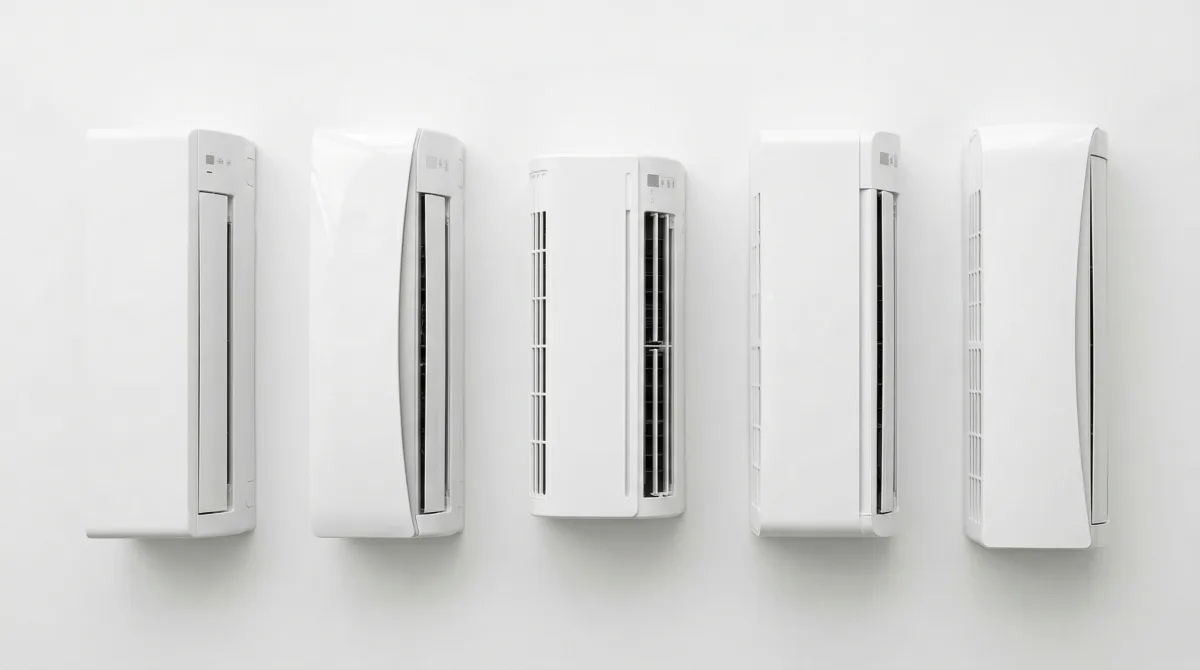
As of January 1, 2025, new residential HVAC manufacturing must use lower-GWP refrigerants. R-410A is being phased out. Here is what you need to know when comparing brands.
Used by: Mitsubishi, Fujitsu, Daikin, LG
Current standard for ductless mini-splits. 67% lower GWP than R-410A.
Used by: Carrier, Bosch, Lennox
Lowest GWP option. Preferred for ducted systems. "Puron Advance" (Carrier brand name).
Used by: Goodman/Amana (legacy)
BEING PHASED OUT. Banned from new manufacturing as of Jan 2025. Do not install new R-410A equipment in 2026.
Red flag: If a contractor proposes R-410A equipment for a new installation in 2026, that is likely old stock or non-compliant equipment. Always confirm the refrigerant type before signing any contract. R-410A equipment will not qualify for Mass Save rebates.
With the federal 25C tax credit expired ($0 in 2026), Mass Save rebates are now the primary financial incentive for MA heat pump buyers. Here are the requirements your heat pump must meet.
Section 25C Federal Tax Credit: EXPIRED. The $2,000 federal heat pump tax credit expired December 31, 2025. There is $0 federal credit available in 2026. Mass Save rebates (state-funded through utility ratepayers) are not affected.
| Requirement | Standard | Notes |
|---|---|---|
| Energy Star Cold Climate | Required | Must be ENERGY STAR 6.1 Cold-Climate certified |
| HSPF2 minimum (ductless) | ≥ 8.5 | All recommended brands exceed this by 30-50% |
| SEER2 minimum | ≥ 15.2 | All brands in this guide exceed this |
| Heat capacity retention at 5°F | ≥ 70% HCR | Ensures meaningful heating output on cold days |
| COP at 5°F minimum | ≥ 1.75 | Goodman/Amana 1.5 COP FAILS this requirement |
| Refrigerant | R-32 or R-454B only | R-410A removed from QPL in 2026 |
| Installer certification | HPIN required | Mass Save Heat Pump Installer Network (HPIN) registration mandatory |
| Whole-Home rebate | $2,650/ton (max $8,500) | Full displacement of fossil fuel as primary heat |
| Partial rebate | $1,125/ton (max $8,500) | Heat pump supplements existing system |
| Basic rebate | $250/ton (max $2,500) | Any qualifying heat pump installation |
0% HEAT Loan
Up to $25,000 at 0% interest through Mass Save. Terms up to 7 years (84 months). No origination fees, no closing costs, no prepayment penalty. Can be combined with Mass Save rebates.
HP Electric Rate
Eversource: $0.18/kWh (vs $0.30 standard), Nov-Apr. National Grid: $0.19/kWh (vs $0.28 standard), Nov-Apr. Saves $45-$115/month during heating season.
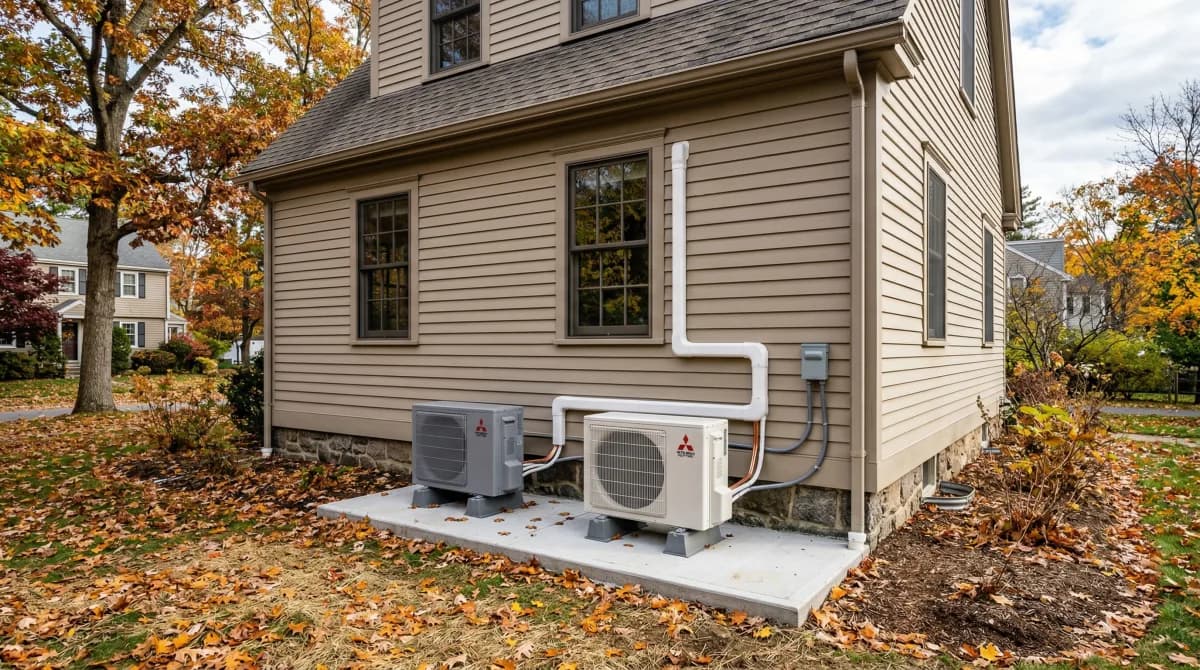
Massachusetts homeowners make these mistakes when choosing a heat pump brand. Avoid them to protect your investment and comfort.
If the heat pump is not ENERGY STAR Cold-Climate certified or rated below -5°F, it is not designed for Massachusetts. Goodman, Amana, and some economy brands fall into this category. You will lose heating capacity on the 15-25 coldest nights per year — exactly when you need it most.
R-410A has a GWP of 2,088 and is being phased out. New equipment with R-410A is likely old stock the contractor is trying to move. It will not qualify for Mass Save rebates and may face service issues as R-410A becomes scarce.
HPIN (Heat Pump Installer Network) certification is required for Mass Save rebates. An uncertified contractor cannot submit the rebate paperwork. You will lose $250–$8,500 in rebates. Verify at masssave.com before signing.
An oversized heat pump short-cycles, wastes energy, and fails to dehumidify properly. Mass Save requires a Manual J load calculation for whole-home tier rebates. Any contractor who sizes by "rule of thumb" is a red flag.
If a contractor quotes only Goodman or a budget brand without mentioning cold-climate options, they may be maximizing their margin, not your comfort. Ask for at least two brand options and confirm Mass Save qualification.
Based on cold-weather performance, Mass Save qualification, MA installer availability, and cost-effectiveness for each home type.
Ductless (No Ductwork)
Older homes, radiators, baseboard heat
Mitsubishi Hyper-Heat
Alt: Fujitsu XLTH (lower cost)
Largest MA contractor network, best multi-zone support, proven cold-climate track record. Fujitsu XLTH saves $300-500/zone with near-identical performance.
Ducted (Existing Ductwork)
Colonials, capes, ranches with forced-air
Carrier Greenspeed
Alt: Bosch IDS (better value)
Highest efficiency (-22°F, HSPF2 13.0) for ducted homes. Bosch IDS at $9-16K vs $10-18K provides strong value with -4°F rating plus backup.
Condos / Limited Space
HOA restrictions, small lots, townhouses
LG Multi V S
Alt: Mitsubishi (wider support)
Slimmest outdoor unit profile clears most HOA aesthetics. -13°F rated, Mass Save qualified, smartphone app control. Mitsubishi if LG installer availability is limited in your area.
Brands we do NOT recommend for MA:Goodman and Amana. Their standard heat pumps are not cold-climate certified, most use R-410A, they do not qualify for Mass Save rebates, and their COP at 5°F (1.5) means 40% higher electricity consumption on cold days compared to Mitsubishi (2.1). The upfront savings evaporate within 3-4 years of higher operating costs plus $2,650\u2013$8,500 in lost Mass Save rebates.
Mitsubishi Hyper-Heating INVERTER is the best overall heat pump brand for Massachusetts in 2026. It has the largest MA installer network, is rated to -13°F (covering all MA design temperatures), has the highest HSPF2 (12.5) among ductless brands, and qualifies for Mass Save rebates up to $8,500. Fujitsu Halcyon XLTH is the best alternative at a lower price point, with an even lower minimum operating temperature (-15°F).
Seven of the eight brands in this comparison qualify for Mass Save rebates: Mitsubishi, Fujitsu, Daikin, Bosch, LG, Carrier/Bryant, and Lennox. Goodman/Amana does NOT qualify because it fails the cold-climate certification requirements (COP at 5°F below 1.75, most models still use R-410A). Mass Save rebates range from $250/ton (basic) to $2,650/ton (whole-home, max $8,500). Installation must be by a contractor participating in the Mass Save Heat Pump Installer Network.
No. Goodman and Amana heat pumps are designed for southern US cooling-dominant climates and are not appropriate for Massachusetts winters. They operate to only 0°F to +5°F (vs -13°F to -22°F for cold-climate brands), have a COP of 1.5 at 5°F (vs 2.0-2.2 for recommended brands), most models still use R-410A refrigerant (being phased out), and they do NOT qualify for Mass Save rebates. The upfront savings are lost in higher heating bills and forgone rebates within 3-4 years.
Both R-32 and R-454B are low-GWP replacements for R-410A (which is being phased out). R-32 has a GWP of 675 (67% lower than R-410A) and is used by Mitsubishi, Fujitsu, Daikin, and LG in ductless mini-splits. R-454B has a GWP of 466 (78% lower than R-410A) and is used by Carrier, Bosch, and Lennox in ducted systems. Both are classified as A2L (mildly flammable). For homeowners, the practical difference is minimal — both are Mass Save qualified and future-compliant.
If your home has existing ductwork in good condition, a ducted heat pump (Carrier Greenspeed, Bosch IDS, or Daikin FIT with backup) can replace your furnace with minimal disruption. If your home lacks ductwork (common in older MA homes with radiators or baseboard), ductless mini-splits (Mitsubishi, Fujitsu, LG, or Daikin Aurora) are more cost-effective than installing new ductwork. Adding ductwork to an MA home typically costs $4,000-$10,000+ on top of the heat pump.
Heat pump costs in Massachusetts range from $3,500 to $19,000+ depending on brand, system type, and number of zones. A single-zone ductless mini-split costs $3,500-$7,000 installed. A multi-zone ductless system (3-4 heads) runs $12,000-$22,000. A ducted whole-home system costs $9,000-$19,000. After Mass Save rebates ($250-$8,500), the net cost drops significantly. The federal 25C tax credit expired December 31, 2025 — there is no federal credit for heat pumps in 2026.
No. The Section 25C federal energy efficiency tax credit for heat pumps expired December 31, 2025. There is $0 federal tax credit available for residential heat pump installations in 2026. Mass Save state rebates ($250-$8,500) remain available and are funded through utility ratepayers, not the federal government. The 0% HEAT Loan ($25,000 max) is also still available through Mass Save.
HSPF2 (Heating Seasonal Performance Factor 2) measures how efficiently a heat pump heats over an entire season using the updated DOE M1 test procedure. Higher HSPF2 = lower heating bills. In this comparison, HSPF2 ranges from 9.0 (Goodman) to 13.0 (Carrier Greenspeed). A heat pump with HSPF2 12.5 (Mitsubishi) vs 9.0 (Goodman) will produce approximately 39% more heat per unit of electricity consumed over a Massachusetts heating season.
Pricing by brand, zone, and system type.
$250–$8,500 rebates + 0% HEAT Loan.
Performance data for MA winters.
Interactive model checker tool.
Questions to ask before you hire.
Savings comparison for MA homes.
Tell us your location, home type, and whether you have existing ductwork. We will recommend the best brand and model for your specific situation — and help you maximize your Mass Save rebate (up to $8,500).
Considering solar + heat pump? Massachusetts Solar + Heat Pump Bundle Guide