Loading NuWatt Energy...

We use your location to provide localized solar offers and incentives.
We serve MA, NH, CT, RI, ME, VT, NJ, PA, and TX
Loading NuWatt Energy...
NuWatt designs, installs, and manages solar, battery, heat pump, and EV charger systems across 9 states. One company, one warranty, one point of contact.
Get a Free QuoteNo federal tax credit, no state rebate — but $0.27/kWh rates, NEM 2.0 locked through 2041, zero sales tax, and property tax exemptions still make NH solar a strong long-term investment.
Avg Utility Rate
$0.27/kWh
State Incentives
$0
Payback Period
9.7 years
25-Year Savings
$127,200
By NuWatt Energy Team • Updated February 2026 • 8 min read
Yes, solar is worth it in New Hampshire in 2026 even without the federal tax credit. With average utility rates of $0.27/kWh and $0 in state incentives, a typical 11kW system pays for itself in approximately 9.7 years and delivers $127,200 in total savings over 25 years. Solar locks in your electricity cost at a fraction of what you pay the utility, and the gap widens every year as rates climb 3-5% annually.
A typical residential solar installation in New Hampshire uses 25 panels to build a 11kW system. Here is the full cost breakdown before and after state incentives, with no federal tax credit applied (Section 25D expired December 31, 2025).
Cost Per Watt
$3.08/W
Gross System Cost
$33,833
Net Cost After Incentives
$33,833
2025 vs 2026 Cost Comparison
2025 (with 30% ITC): A homeowner in New Hampshire would have received a $10,150 federal tax credit, bringing the net cost down to $23,683.
2026 (no ITC): The same system now costs $33,833after state incentives only — $10,150 more than it would have cost last year.
The payback period tells you how many years of electricity savings it takes to fully offset the cost of your solar installation. In New Hampshire, the math works out as follows:
Payback = Net Cost ÷ Annual Savings = $33,833 ÷ $3,490 = 9.7 years
| Year | Annual Savings | Cumulative (Net) | Status |
|---|---|---|---|
| Year 1 | $3,490 | -$30,343 | Recovering |
| Year 5 | $4,083 | -$14,930 | Recovering |
| Year 10 | $4,967 | +$8,068 | Profit |
| Year 15 | $6,044 | +$36,049 | Profit |
| Year 25 | $8,946 | +$111,511 | Profit |
Payback comparison: In 2025, this same system would have paid back in 6.8 years. In 2026, it takes 9.7 years — 2.8999999999999995 years longer. The difference is entirely due to losing the $10,150 federal tax credit.
While New Hampshire homeowners can no longer claim the federal residential solar tax credit (Section 25D), the state offers several incentive programs that help offset the cost of going solar.
~75-95% of retail rate
NH NEM 2.0 credits cover 100% of supply + 100% of transmission + 25% of distribution. Effective credit varies by utility. Rates locked through January 1, 2041 for existing systems.
Local option (~66% of towns)
About two-thirds of NH municipalities have adopted the optional 100% property tax exemption for solar equipment under RSA 72:62. Average savings ~$584/year.
Net metering is the policy that determines how your utility credits you for excess solar electricity you send to the grid. In New Hampshire, the specifics vary by utility company. Here is a summary of the top utilities and their current net metering policies.
| Utility | Credit Type | System Size Cap | Excess Policy |
|---|---|---|---|
| Eversource NH | NEM 2.0 (a utility-specific share of retail value) | 1 MW | Credits roll over indefinitely; cash-out available annually if balance exceeds $100 |
| Unitil NH | NEM 2.0 (~the current tariff-specific renewable credit) | 1 MW | Credits roll over indefinitely; cash-out available annually if balance exceeds $100 |
| Liberty Utilities | NEM 2.0 (~95% of retail) | 1 MW | Credits roll over indefinitely; cash-out available annually if balance exceeds $100 |
Net metering is critical to your solar payback. When your panels produce more than you use during the day, the excess flows to the grid and your meter effectively runs backward. You receive credits that offset your nighttime and cloudy-day electricity usage. The stronger the net metering policy, the more value you extract from every kilowatt-hour your panels produce.
Losing the 30% federal tax credit makes solar more expensive upfront, but it does not erase the long-term financial case. Here is why New Hampshire homeowners should still seriously consider going solar in 2026:
NEM 2.0 credits locked through 2041 — one of the strongest rate protections in NE
No sales tax on any purchase in NH — saves 5-7% vs neighboring states
High electric rates ($0.27/kWh) make every kWh produced more valuable
State rebate repealed (SB 303) — but lease/PPA still accesses 48E ITC
Rising utility rates protect your investment. Electricity prices in New Hampshire have historically risen 3-5% per year. Your solar panels produce power at a fixed cost, meaning your savings grow every single year as the gap between solar and utility pricing widens.
Solar increases your home value by approximately 4%. National studies consistently find that owned solar systems add roughly 4% to a home's sale price. On a median-priced home in New Hampshire, that translates to thousands of dollars in added equity — often recovering a significant portion of your net system cost before you factor in electricity savings.
These are real solar installations completed by NuWatt Energy in New Hampshire. Every system was designed, permitted, and installed by our team.
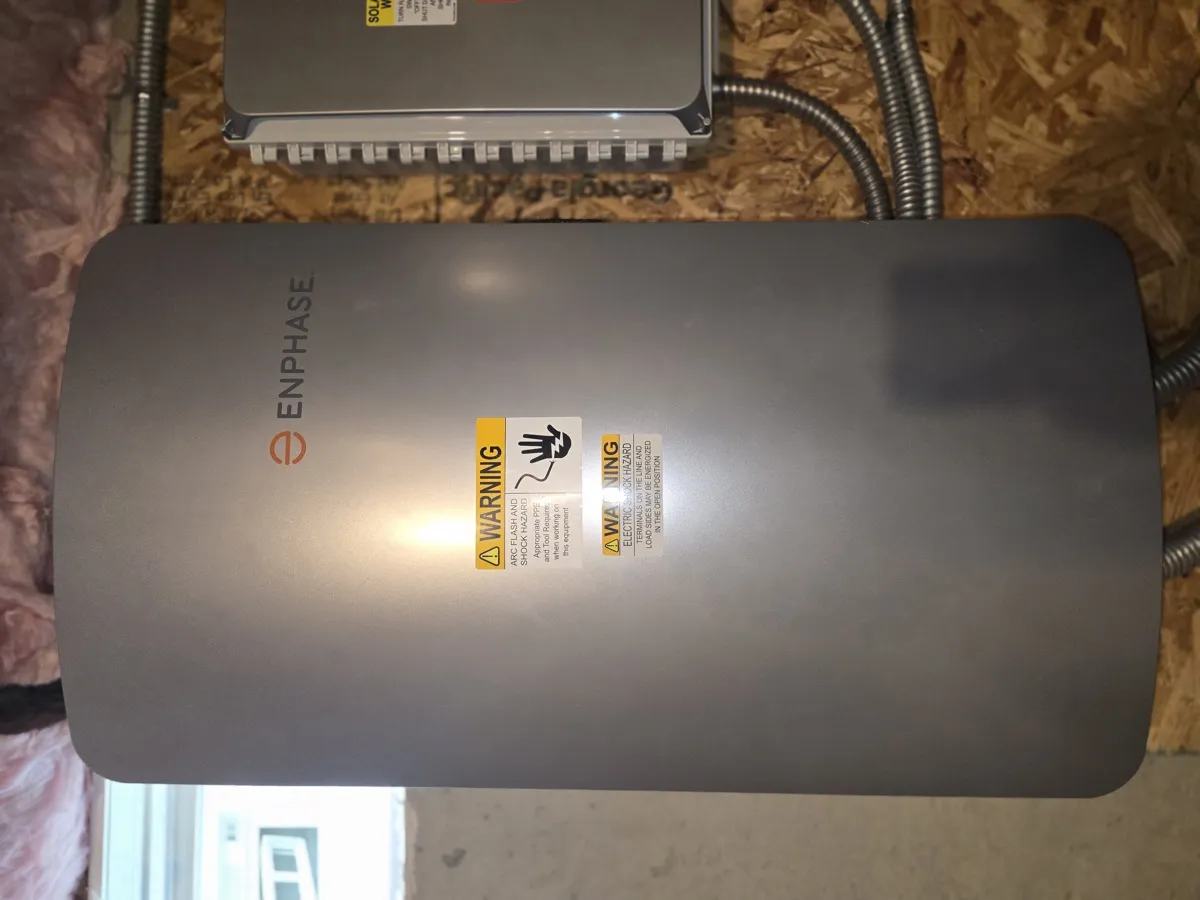
8.8 kW · 22 Q.CELLS panels · Enphase IQ8+
Est. 10,964 kWh/year
Completed June 2024
View Full Project →
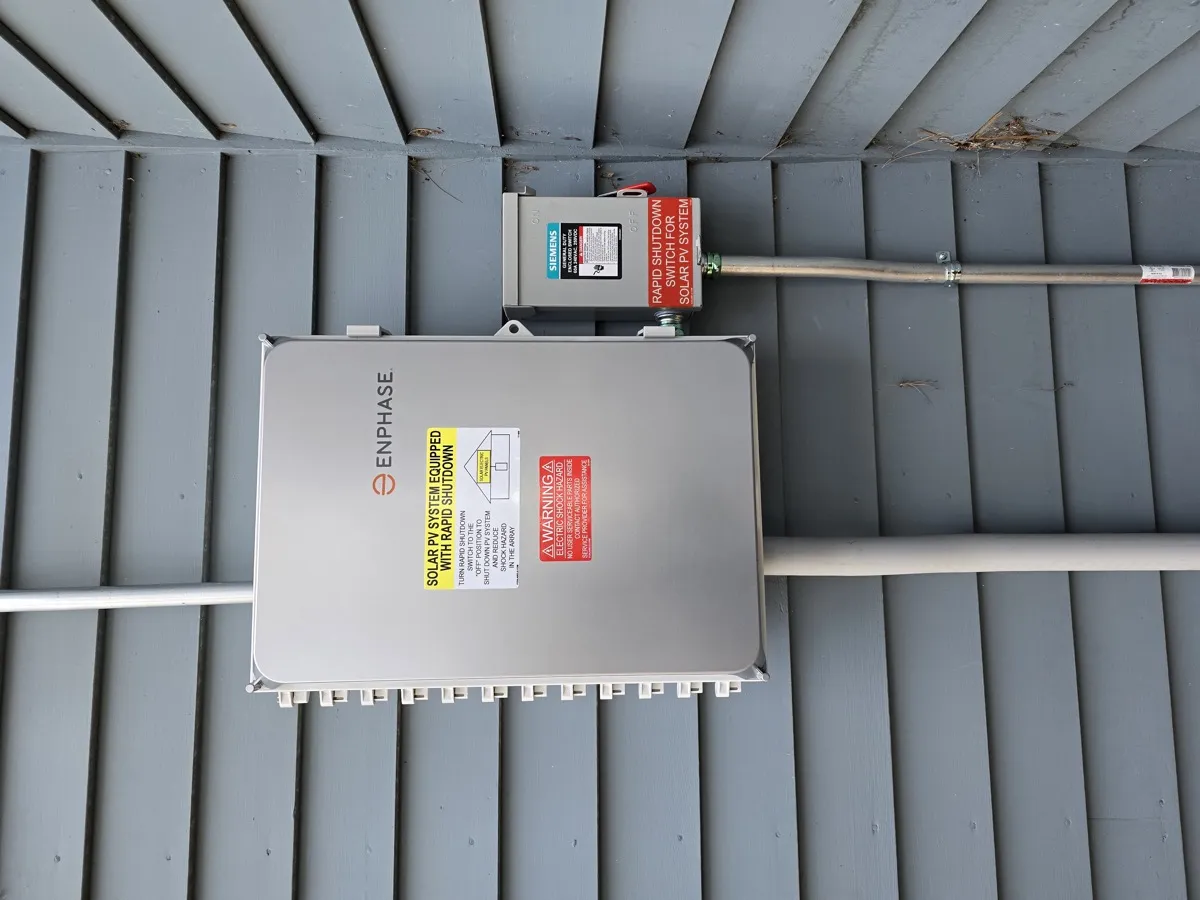
10.3 kW · 25 Canadian panels · Enphase IQ8+
Est. 9,285 kWh/year
Completed March 2024
View Full Project →
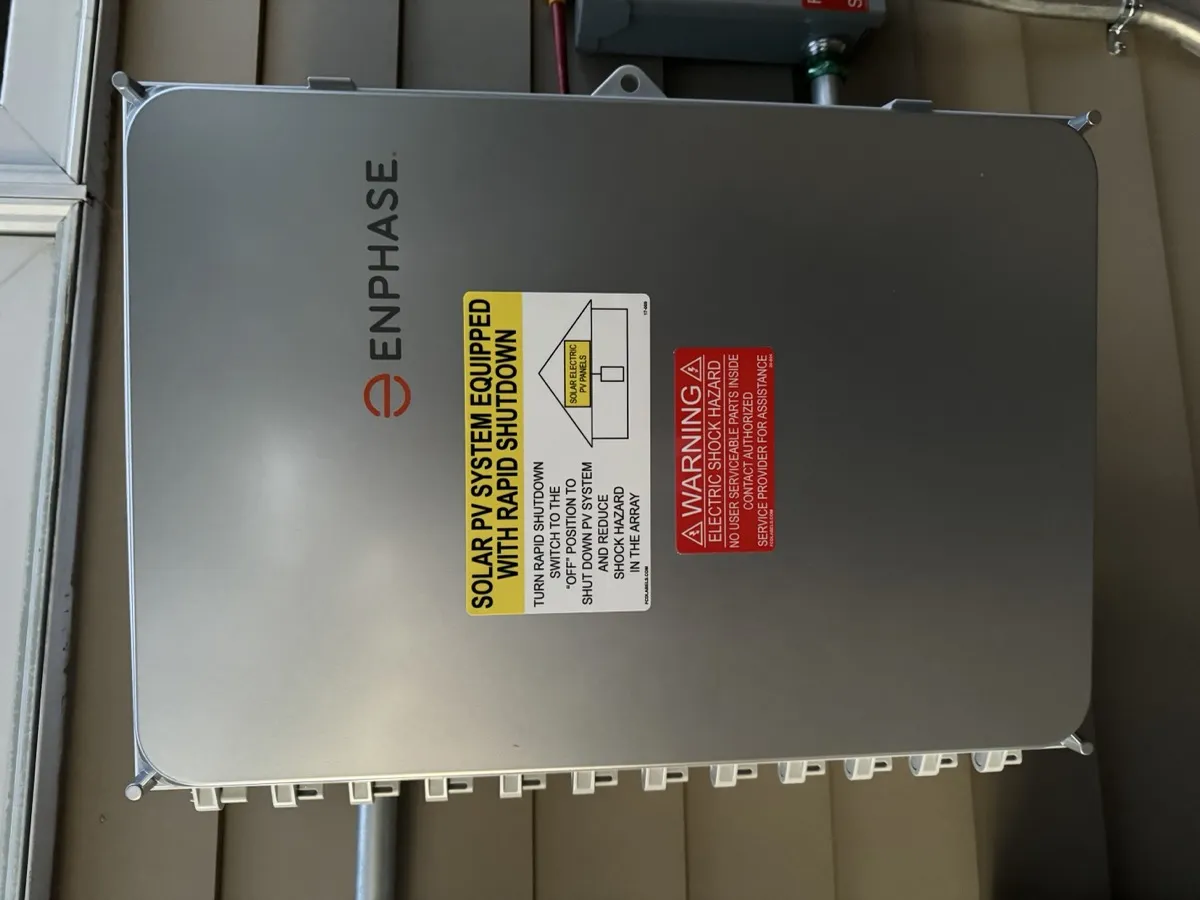
12 kW · 30 REC panels · Enphase IQ8+
Est. 14,519 kWh/year
Completed January 2024
View Full Project →
The 30% federal Investment Tax Credit (ITC) is gone for homeowner purchases (Section 25D), but it is still available to solar companies through Section 48/48E. When you sign a solar lease or Power Purchase Agreement (PPA), the installer owns the system, claims the 30% credit, and passes some of those savings to you through lower monthly payments.
For a full comparison of owning vs. leasing solar in 2026, including monthly cost examples and long-term savings projections, see our Solar Lease vs. Buy 2026 guide.
Maximize your savings: Combine solar with a heat pump for maximum savings — electrifying both your electricity and heating in New Hampshire can cut your total energy costs by 50–70%.
The NH Renewable Energy Fund residential rebate ($0.20/W) was permanently repealed by Senate Bill 303 in 2024. All REF programs are closed to new applications. However, NH has no sales tax (saving 5-7% vs neighboring states), NEM 2.0 net metering credits locked through 2041, and property tax exemptions available in about two-thirds of towns.
Without the federal ITC, the payback period in New Hampshire is approximately 9.7 years (vs 6.8 years in 2025 with the 30% credit). However, with $0.27/kWh rates, NEM 2.0 credits locked through 2041, and 25-year savings exceeding $127,000 on an 11 kW system, solar remains a strong investment. Lease/PPA options still access the 48E ITC through the third-party system owner.
NH uses NEM 2.0, which credits 100% of supply costs, 100% of transmission, and 25% of distribution charges. The effective credit is approximately 75-95% of retail depending on your utility. Credits roll over indefinitely and can be cashed out annually if the balance exceeds $100. Current NEM 2.0 rates are locked through January 1, 2041.
Every roof is different. Get a personalized savings estimate based on your actual electricity usage, roof orientation, and local utility rates in New Hampshire.
Or call us directly: (877) 772-6357