
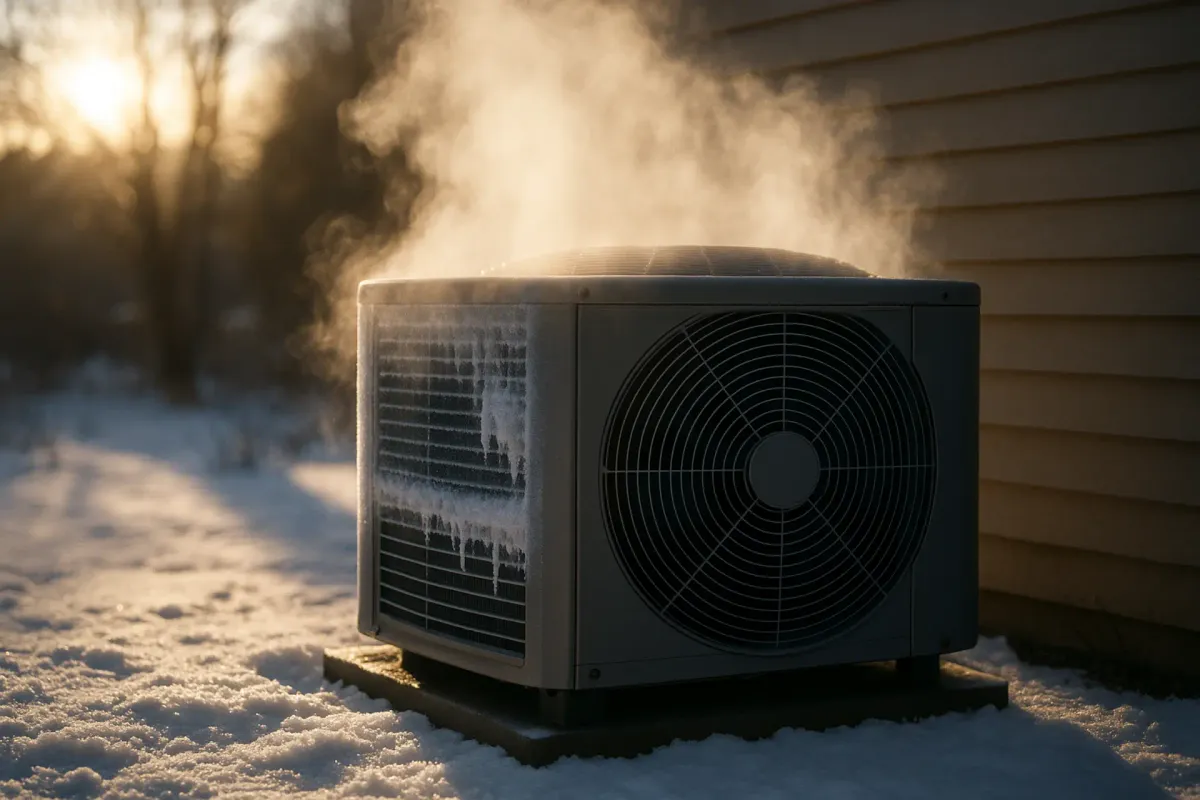

A normal defrost cycle runs for 1-10 minutes every 30-90 minutes when frost builds up on the outdoor unit. If your unit defrosts constantly, runs for more than 15 minutes, or never defrosts, that's a real problem.
Home Electrification Experts — Full-Service Design to Install, 9 States
How the Defrost Cycle Actually Works
When a heat pump heats your home in winter, the outdoor unit absorbs heat from the outside air. During this process, moisture in the outdoor air condenses on the outdoor coil and freezes — forming a layer of frost. This is normal and happens on every heat pump on every cold, humid day. The defrost cycle is the system's built-in method for removing that frost so the outdoor coil can continue absorbing heat.
Here's exactly what happens during a defrost cycle: the system's reversing valve temporarily switches the heat pump into cooling mode. Hot refrigerant gas flows through the outdoor coil, melting the frost. At the same time, the outdoor fan shuts off to prevent cold air from re-freezing the coil as it defrosts. The indoor unit may continue running (depending on the model), but it's temporarily distributing cooler air since the system is technically in "cooling" mode. This is why you might feel a brief burst of cool air from your vents during defrost — lasting 1-5 minutes.
The entire defrost cycle typically lasts 2-10 minutes. Modern heat pumps use demand-defrost controllers that initiate a defrost cycle only when sensors detect actual frost buildup, rather than running on a fixed timer. You'll see steam or water vapor rising from the outdoor unit as the frost melts — this is completely normal and is actually a sign that your system is working correctly.
Normal Defrost Frequency
In typical New England winter conditions (25-35°F, moderate humidity), expect a defrost cycle every 30-90 minutes, lasting 2-10 minutes each. At temperatures below 20°F with low humidity, frost builds more slowly and defrost cycles are less frequent. The highest-frost conditions occur at 30-40°F with rain or wet snow — you may see defrost every 20-30 minutes.
Normal Defrost vs Real Problem: The Diagnostic Table
The most common call we receive from new heat pump owners is "my outdoor unit is smoking!" Nine times out of ten, it's normal defrost steam. The table below helps you determine what's normal and what requires a service call.
| What You See/Hear | Normal? | Action |
|---|---|---|
| Steam/vapor from outdoor unit | Yes | None — frost melting off coil |
| Compressor sound changes briefly | Yes | None — reversing valve activating |
| Brief cool air from vents (1-5 min) | Yes | None — system in defrost mode |
| Water dripping from outdoor unit | Yes | Ensure drain is clear of debris |
| Thin frost on coil, clears within 10 min | Yes | Normal frost accumulation between cycles |
| Defrost every 10-15 minutes | No | Call service — possible refrigerant issue |
| Ice covers entire outdoor unit | No | Check airflow, call service if persists 2+ hours |
| Defrost never activates (constant ice buildup) | No | Defrost board or sensor failure — call service |
| Defrost runs 15+ minutes per cycle | No | Possible refrigerant charge issue |
| Ice on refrigerant lines (suction line) | No | Likely low refrigerant — call service immediately |
Common Causes of Excessive Defrost or Ice Buildup
When defrost problems occur, they almost always trace back to one of these root causes. Understanding them helps you communicate effectively with your HVAC technician — and avoids paying for unnecessary service calls.
Low Refrigerant Charge
The most common cause of chronic defrost problems. When the system is low on refrigerant, the outdoor coil runs colder than it should, causing frost to accumulate faster and defrost cycles to struggle to clear it. Signs include: ice on the suction line (the larger copper/insulated pipe running to the outdoor unit), defrost cycles that run but don't fully clear the ice, and gradually decreasing heating performance. A refrigerant leak is not a DIY fix — it requires a licensed HVAC technician with gauges, a leak detector, and the proper refrigerant. Expect a service call cost of $250-$600 depending on the leak location and refrigerant type (R-410A vs R-454B).
Restricted Airflow Around the Outdoor Unit
The outdoor unit needs unrestricted airflow to operate efficiently. Snow piled against the unit, leaves covering the coil, a fence or wall too close, or even a well-meaning winter cover can restrict airflow enough to cause excessive icing. We see this constantly in New England — homeowners stack firewood against the heat pump, or snow drifts bury the lower half of the unit. Maintain 24 inches of clearanceon all sides and keep the top of the unit clear. After heavy snowfall, brush snow away from the unit (don't use a shovel directly on the coil — use a broom).
Dirty Outdoor Coil
Over time, the outdoor coil collects dirt, pollen, cottonwood seeds, and other debris that reduces heat transfer. A dirty coil causes the same symptoms as low refrigerant: the coil runs too cold, frost builds up excessively, and defrost cycles become more frequent. Solution: gently rinse the outdoor coil with a garden hose (from the inside out) once or twice per year. Do this in spring and fall. Never use a pressure washer — high-pressure water bends the delicate aluminum fins.
Faulty Defrost Sensors or Control Board
The defrost system relies on sensors to detect frost and a control board to initiate the cycle. If the temperature sensor on the outdoor coil fails, the system may not "see" frost buildup. If the defrost control board fails, it may not initiate the cycle even when sensors report frost. Symptoms: frost builds up continuously with no defrost cycle, or the system runs in defrost for extended periods without clearing ice. This is a technician-only repair, typically $200-$450 for parts and labor.
Stuck Reversing Valve
The reversing valve switches the heat pump between heating and cooling mode — and it's the same valve that initiates defrost. If it sticks or fails, the system cannot enter defrost mode. You may notice that the unit is stuck in heating (no defrost) or stuck in cooling (blowing cold air when it should heat). A stuck reversing valve is a significant repair — typically $400-$800 including the valve and labor.
DIY Troubleshooting Decision Tree
Before calling a technician, walk through this decision tree. You can safely resolve about 30% of defrost issues yourself.
- Is there snow, ice, or debris blocking the outdoor unit?
If yes: clear it. Maintain 24 inches of clearance on all sides. Wait 2 hours and check if the issue resolves. If not, proceed to step 2. - Is the outdoor fan spinning when the unit is running?
If no: the fan motor may have failed or a capacitor is bad. Call a technician. If yes, proceed to step 3. - When was the last filter change?
If it's been more than 90 days: change or clean the indoor filter. A restricted indoor filter can cause the outdoor coil to overcool, accelerating frost buildup. Wait 24 hours and reassess. If the filter was clean, proceed to step 4. - Is the outdoor unit running but ice covers the entire coil?
Turn the system off for 1-2 hours to allow the ice to melt naturally (do NOT use hot water or tools to chip ice). Turn it back on and observe for 30 minutes. If ice reforms rapidly, proceed to step 5. - Does the system appear to enter defrost (reversing valve click, fan stops) but ice doesn't clear?
This likely indicates low refrigerant charge. Call a technician. The defrost mechanism is working, but there isn't enough hot refrigerant gas to melt the ice. - Does the system never enter defrost mode?
The defrost sensor or control board may have failed. Call a technician. This is not a DIY repair.
Need Defrost Troubleshooting Help?
NuWatt offers same-day service calls for heat pump issues throughout New England.
Ice Buildup Patterns: What They Tell You
Where ice forms on the outdoor unit tells a trained technician a lot about the underlying problem. Here's what different ice patterns typically indicate:
- Light frost evenly across the coil: Completely normal. The defrost cycle will handle it. This is what you see on any cold, humid day between defrost cycles.
- Thick ice on the bottom half of the coil only: Usually restricted airflow. Snow or debris is blocking the lower portion. Clear the area around the base of the unit and check the drain pan for ice blockage.
- Solid ice encasing the entire coil and fan: Defrost system failure. The system has been running without defrosting, likely for hours. Turn it off immediately to prevent compressor damage. Call a technician.
- Ice on the refrigerant lines running to the house: Low refrigerant charge. The suction line (insulated pipe) should be cool but not icy. Ice on this line indicates the system is starved for refrigerant. Do not ignore this — it can damage the compressor.
- Ice on the outdoor coil that clears in one spot but not others:Dirty coil or physically damaged fins. The clean spot has good airflow while the iced spots have restricted heat transfer. A coil cleaning may resolve this.
When to Call a Professional
After walking through the DIY steps above, call a professional if any of these conditions persist:
- Ice covers the entire outdoor coil and doesn't clear after shutting the unit off for 2 hours
- Defrost cycles are constant (every 10-15 minutes) for more than 4 hours
- The unit never enters defrost and ice accumulates continuously
- You hear unusual grinding, banging, or squealing sounds during defrost
- The system stops heating effectively but the outdoor unit continues running
- Ice appears on the refrigerant lines between the outdoor and indoor units
- The defrost cycle runs but lasts 15+ minutes without clearing the frost
For NuWatt customers, our service team is available 7 days a week during the heating season. Most defrost-related issues can be diagnosed and repaired in a single visit. Typical service costs range from $150 for a simple coil cleaning to $600+ for refrigerant leak repair. Catching problems early prevents compressor damage, which is the most expensive repair ($2,000-$4,000) and the one most likely to result from ignoring chronic ice buildup.
Preventing Defrost Problems Before They Start
The best approach to defrost issues is preventing them entirely. These maintenance steps keep your defrost system operating correctly throughout the heating season:
- Fall coil cleaning: Rinse the outdoor coil with a garden hose before heating season starts. This removes summer pollen and debris that reduces heat transfer.
- Elevate the outdoor unit: In New England, mount the outdoor unit on a stand or brackets at least 12-18 inches above expected snow accumulation. This prevents snow burial and ensures the drain can clear.
- Clear the drain pan: The defrost drain at the bottom of the outdoor unit must be free of ice and debris. Check it monthly during winter. A frozen drain causes melt water to re-freeze on the coil.
- Never cover the outdoor unit. Covering the unit restricts airflow and causes more frost problems than it prevents. Your heat pump is designed to operate in outdoor conditions year-round.
- Schedule annual maintenance: A professional tune-up in the fall checks refrigerant charge, inspects the defrost sensor and board, verifies the reversing valve, and cleans the coil — addressing most defrost issues before they become problems.
Ready to Get a Heat Pump Quote?
Get a free, no-obligation quote from NuWatt Energy. We handle design, permits, and installation.
Frequently Asked Questions
Why is my heat pump steaming?▼
When should I worry about ice on my heat pump?▼
Continue Reading
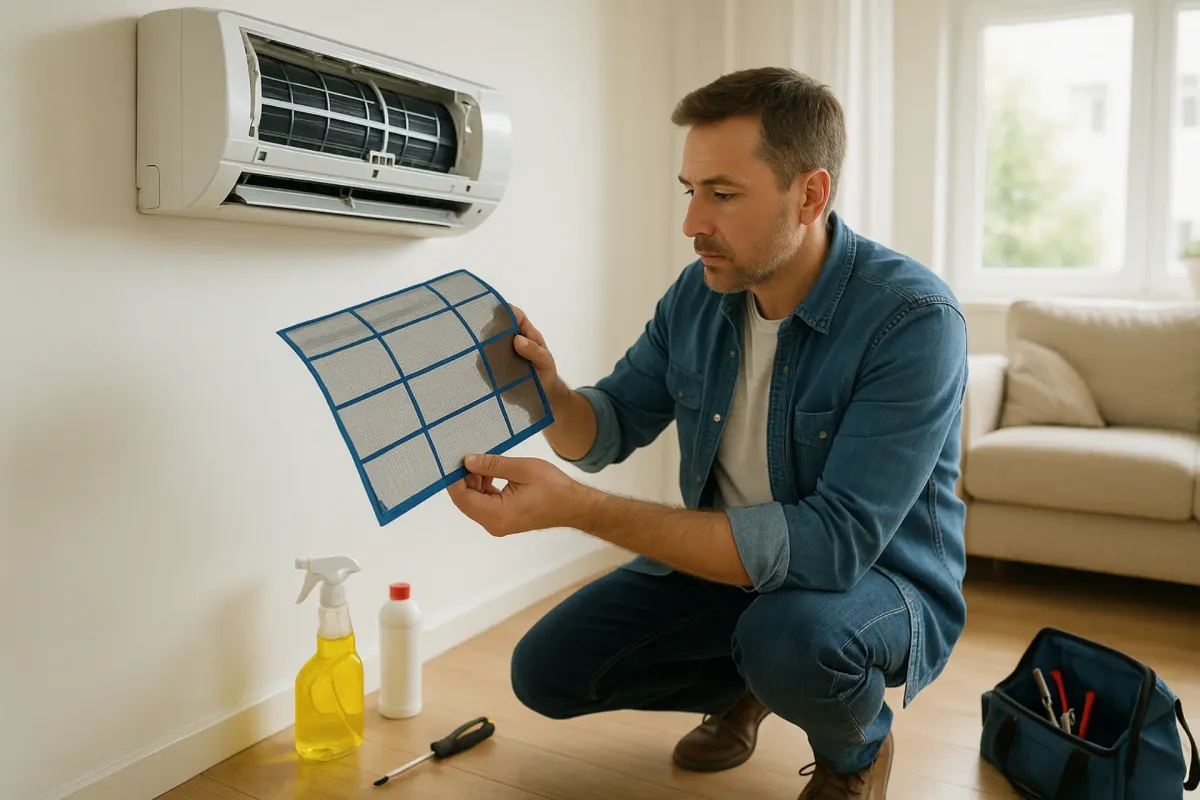
Heat Pump Maintenance Calendar for New England Homes
Heat pumps need minimal maintenance: clean filters monthly, clear debris from the outdoor unit seasonally, and schedule professional service annually. This calendar covers every task by month for New England's climate.
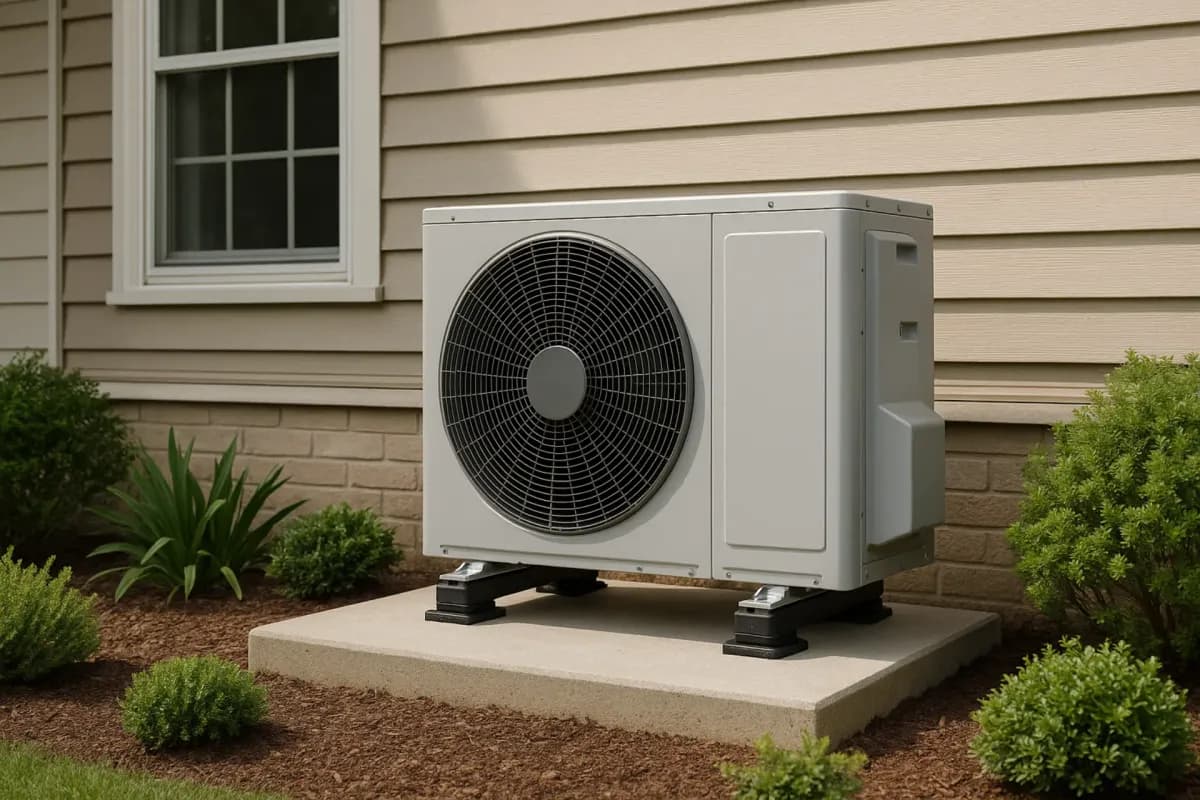
Heat Pump Noise: What's Normal, What's Not, and How to Fix It
A modern heat pump runs at 40-55 dB outdoors and 19-28 dB indoors — quieter than a refrigerator. If you hear grinding, rattling, or screaming, that's not normal and needs attention.
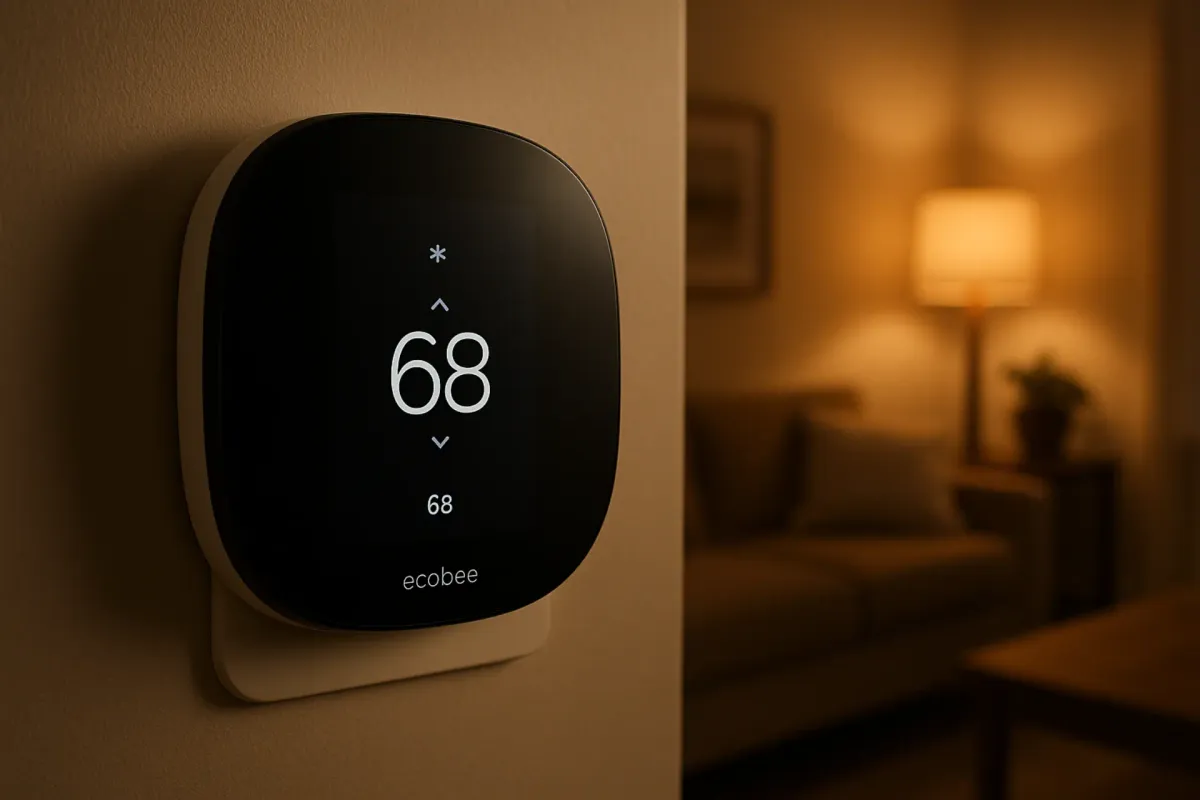
Best Heat Pump Thermostat Settings: 68°F Steady
Set your heat pump thermostat to 68°F and leave it there. Unlike furnaces, heat pumps lose efficiency with large setbacks. A 5°F setback that saves money with a furnace can actually cost more with a heat pump by triggering backup heat.