
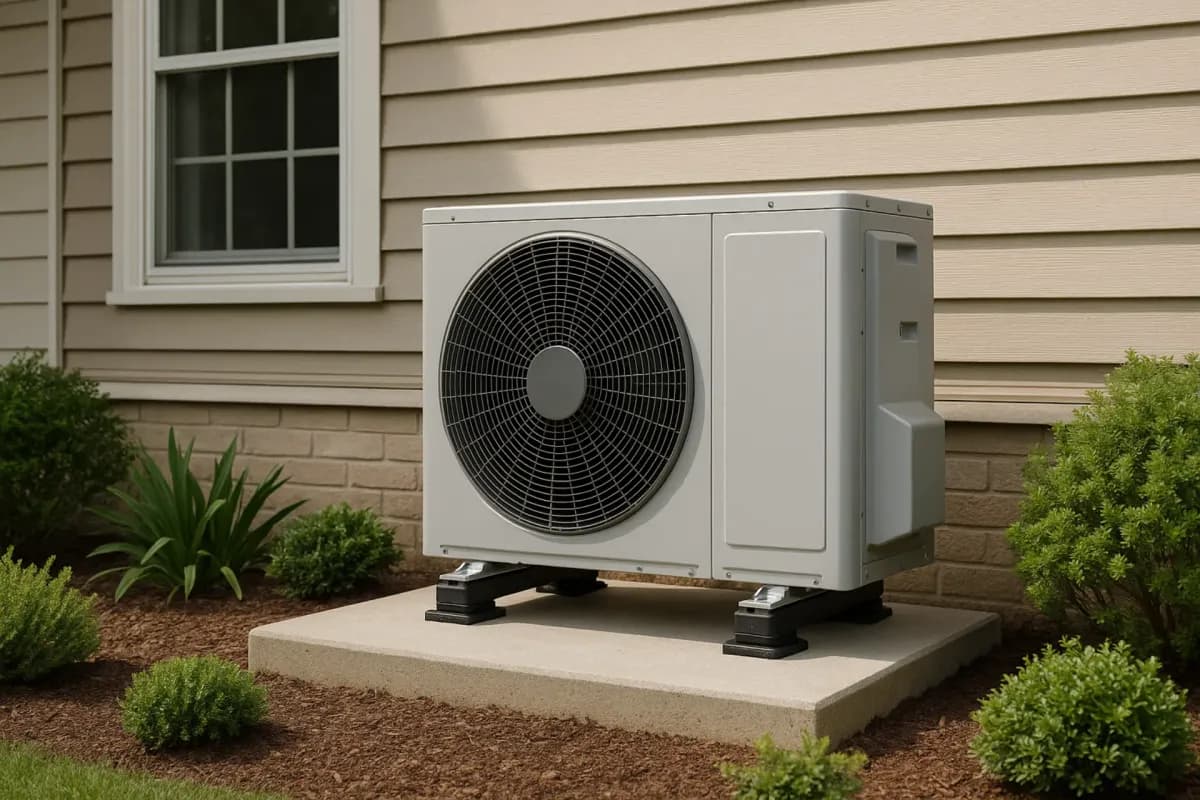

A modern heat pump runs at 40-55 dB outdoors and 19-28 dB indoors — quieter than a refrigerator. If you hear grinding, rattling, or screaming, that's not normal and needs attention.
Home Electrification Experts — Full-Service Design to Install, 9 States
Indoor (Low)
19 dB
quieter than whisper
Indoor (High)
28–38 dB
quieter than fridge
Outdoor (Low)
40–45 dB
quiet conversation
Outdoor (Max)
55–62 dB
softer than AC
How Loud Is a Heat Pump, Really?
Noise is one of the most common concerns we hear from homeowners considering a heat pump, especially in New England neighborhoods where houses sit close together. The good news: modern cold-climate heat pumps are remarkably quiet. A Mitsubishi Hyper-Heat indoor head at low speed produces just 19 dB of sound — quieter than a whisper. Even the outdoor compressor at full tilt rarely exceeds 56-58 dB, which is softer than a normal conversation.
To put this in perspective, if you're currently running a gas or oil furnace, the blower in your basement is generating 50-65 dB every time it kicks on. Switching to a heat pump will likely make your home quieter, not louder. That said, noise perception varies by person, by installation, and by the specific equipment chosen. Here's everything you need to know.
Decibel Comparison Chart
Decibels are measured on a logarithmic scale, which means every 10 dB increase represents a perceived doubling of loudness. A heat pump outdoor unit at 56 dB sounds about half as loud as a lawn mower at 85 dB. Here's how heat pump noise levels compare to familiar sounds:
19-30 dB
Whisper Quiet
- • Mitsubishi indoor (19 dB)
- • Daikin indoor (21 dB)
- • Library (30 dB)
40-50 dB
Barely Noticeable
- • Outdoor unit low (40-45 dB)
- • Refrigerator (40 dB)
55-65 dB
Soft Conversation
- • Outdoor unit max (55-62 dB)
- • Furnace blower (50-65 dB)
- • Normal conversation (60 dB)
85-90 dB
Loud (for reference)
- • Lawn mower (85-90 dB)
- • Much louder than heat pump
The key takeaway: at low speed, the indoor unit is barely audible. At full blast during a -5°F night in January, the outdoor unit sounds similar to a quiet conversation you might have on the porch. It's noticeable if you stand next to it, but not disruptive from inside the house or from a neighbor's yard 20 feet away.
Indoor vs. Outdoor Unit Noise: Two Different Worlds
A heat pump system has two noise sources: the indoor head (wall-mounted, ceiling cassette, or ducted air handler) and the outdoor compressor/condenser. They produce very different sounds at very different levels.
Indoor Unit Noise
Gentle fan sound. At low speed, literally below conscious hearing threshold. Use quiet mode in bedrooms at night.
Outdoor Unit Noise
Compressor and fan running. Quieter than your neighbor's central AC (65-75 dB). Defrost cycles may briefly increase volume.
Specific Model Noise Levels
Not all heat pumps are created equal when it comes to noise. Variable-speed inverter compressors are dramatically quieter than older fixed-speed units because they modulate their output rather than cycling on and off at full power. Here are the noise specs for popular cold-climate models installed throughout New England:
Mitsubishi Hyper-Heat MSZ-FH
Quietest indoor unit on the market
Daikin AuroraDERA
Extremely quiet outdoor compressor
Fujitsu Halcyon RLS3H
Good cold-climate performance
Carrier Greenspeed 38MARBQ
Variable-speed compression
LG Red (LGRED°)
Strong at -13°F
Bosch Climate 5000
Solid mid-range option
If noise is your primary concern, the Mitsubishi Hyper-Heat MSZ-FH series is the gold standard at 19 dB indoor. Daikin's Aurora line runs a close second at 21 dB. Both are cold-climate rated and widely available from installers across Massachusetts, Connecticut, and the rest of New England.
Neighbor Considerations and Setback Distances
In dense New England neighborhoods — triple-deckers in Somerville, close-set colonials in Guilford, townhomes in Providence — the outdoor unit placement matters for neighborly relations. Here are the key considerations:
Good Placement Practices
- 3-5 feet from property lines (check local code)
- Away from bedroom windows (yours and neighbors)
- Open placement, not in narrow alleys
- Behind solid 6-foot fence (reduces 5-8 dB)
- Talk to neighbors before installation
Avoid These Mistakes
- Placing in narrow alley (sound reflection amplifies noise)
- Directly under bedroom windows
- Corners or overhangs that trap sound
- Ignoring local noise ordinances (some require <50 dB at property line)
Normal Operating Sounds You'll Hear
If this is your first heat pump, you'll notice sounds that are completely normal but unfamiliar. Here's what to expect:
- Low hum — The compressor running at steady state. This is the normal background sound, quieter than your old furnace blower. Completely normal.
- Whooshing or gurgling — Refrigerant flowing during defrost cycles. This happens when the system reverses to melt ice off the outdoor coils. In a New England winter, you'll hear this every 30-90 minutes during sustained cold weather. It lasts 2-10 minutes and is completely normal.
- Click at startup — The reversing valve engaging when the system starts up or switches between heating and cooling modes. One click, then steady operation. Normal.
- Light fan noise — The outdoor fan running at variable speeds. You'll hear it ramp up and down as the system modulates output. Much quieter than a box fan. Normal.
- Brief increase during defrost — The outdoor unit may get louder for 2-5 minutes during defrost. The fan stops, steam may rise from the unit, and the compressor works harder. This looks and sounds dramatic but is completely normal winter operation.
- Dripping water — Condensate dripping from the indoor unit (cooling mode) or outdoor unit (heating mode defrost). Normal — make sure the condensate drain is clear.
Sounds That Need Attention
While heat pumps are reliable, unusual noises can indicate problems that need professional attention. Don't ignore these:
Grinding or metal-on-metal
Shut off system immediately. Fan blade hitting housing or bearing failure. $300 fix can become $3,000 compressor replacement if ignored.
High-pitched squealing
Refrigerant leak or high-pressure buildup. Needs same-day service.
Loud rattling
Loose mounting bolts or debris inside unit. Check before calling — often an easy DIY fix.
Constant electrical buzzing
Failing contactor relay. Not immediately dangerous but needs professional diagnosis.
Banging from compressor
Internal compressor failure. Immediate shutdown required. Warranty covers 5-12 years.
Loud vibration through wall
Refrigerant lines touching framing without isolation. Installer can add rubber grommets — quick fix.
How to Reduce Heat Pump Noise
Even though modern heat pumps are quiet, there are ways to reduce noise further if you're sensitive to sound or have a tricky installation:
Vibration isolation pads ($20-$50)
Rubber or composite pads under outdoor unit. Single most cost-effective noise reduction. Should be standard on every install.
Proper placement (at least 3 ft from walls)
Unrestricted airflow and reduced sound reflection. Avoid corners, narrow alleys, or overhangs.
Sound barrier fence ($200-$800)
Acoustic fence or mass-loaded vinyl reduces 5-10 dB. Must be taller than unit and not restrict airflow (leave 2 ft clearance).
Line set isolation grommets ($5-$15)
Rubber grommets where lines pass through wall prevent vibration transmission. Cheap and effective — ask installer to include.
Choose a quiet model
Specify units with outdoor noise below 56 dB. Mitsubishi, Daikin, Fujitsu consistently test quietest.
Real Example: Noise Concern in Cambridge, MA
A homeowner on a tight 30-foot-wide lot in Cambridge was worried about neighbor complaints from a new Mitsubishi Hyper-Heat system. We installed the outdoor unit on a raised stand with vibration isolation pads, positioned it 8 feet from the neighbor's property line behind a 4-foot fence, and used line set grommets at the wall penetration. The neighbor measured 42 dB at their property line — quieter than their own refrigerator. Six months later, the neighbor called us to install a heat pump at their house too.
Ready to Get a Heat Pump Quote?
Get a free, no-obligation quote from NuWatt Energy. We handle design, permits, and installation.
Frequently Asked Questions
How loud is a heat pump?▼
Why is my heat pump making a whooshing sound?▼
Continue Reading
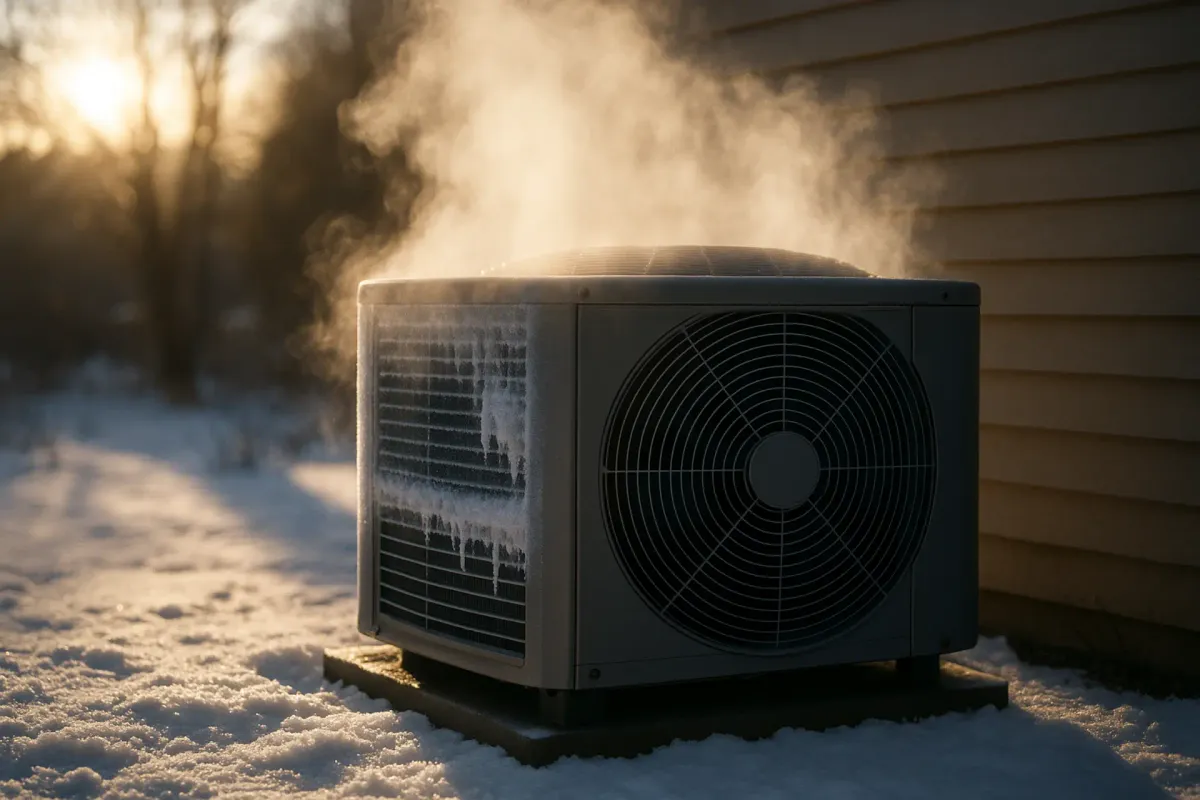
Heat Pump Defrost Cycle vs Actual Problem: Troubleshooting Guide
A normal defrost cycle runs for 1-10 minutes every 30-90 minutes when frost builds up on the outdoor unit. If your unit defrosts constantly, runs for more than 15 minutes, or never defrosts, that's a real problem.
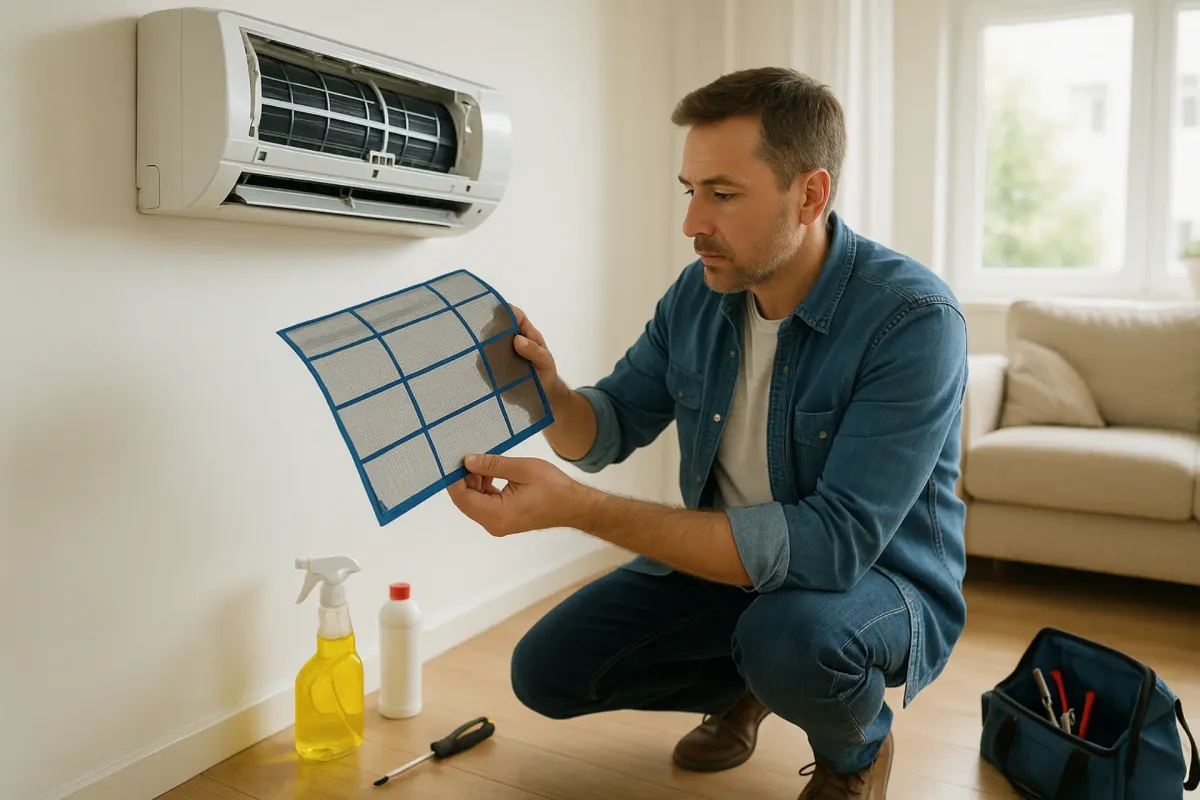
Heat Pump Maintenance Calendar for New England Homes
Heat pumps need minimal maintenance: clean filters monthly, clear debris from the outdoor unit seasonally, and schedule professional service annually. This calendar covers every task by month for New England's climate.
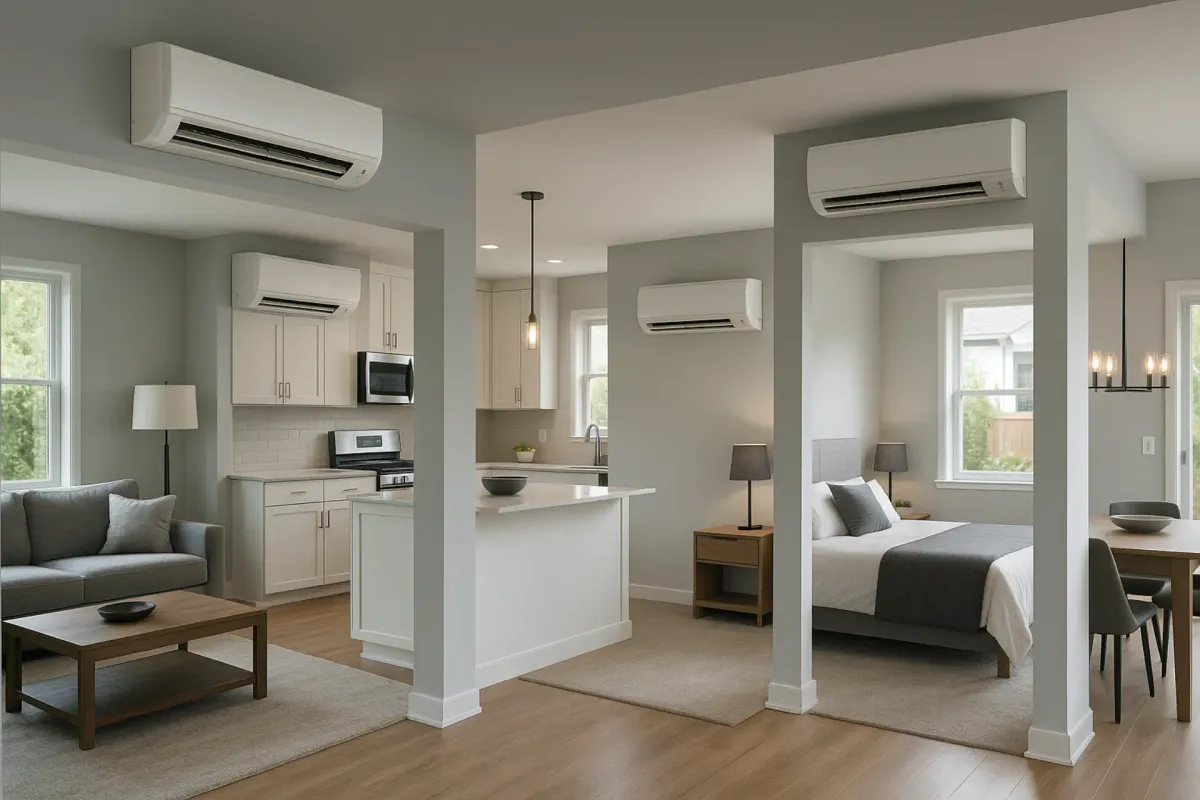
Room-by-Room Comfort: Multi-Zone Ductless Design Mistakes to Avoid
The #1 multi-zone mistake is connecting too few indoor heads to an oversized outdoor unit. This causes short-cycling, poor humidity control, and energy waste. Each indoor head should be matched to the room's actual heating load.