
CT Energy Storage Program Changes: What the April 2026 Restructuring Means for Your Battery Investment
Connecticut's Energy Storage Solutions (ESS) program is shifting from upfront incentives to a performance-based model on April 1, 2026. Here's the complete breakdown: who benefits, who loses, and exactly how much you can earn under the new structure.

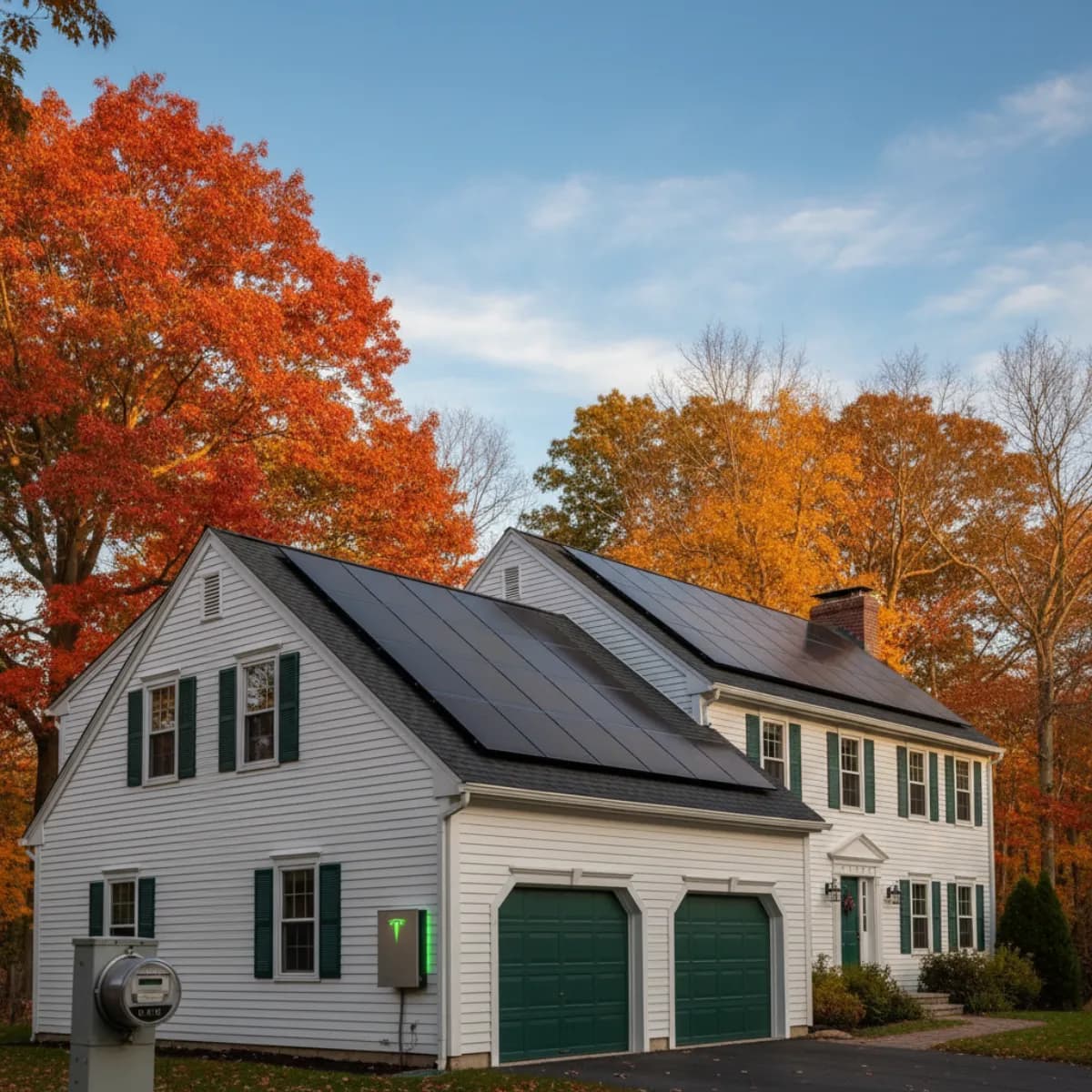
The new ESS structure rewards CT homeowners who keep their battery ready for grid dispatch events.
The Bottom Line
Old Model
$6,375
upfront + $11,627 performance
New Model
$900
enrollment + $18,000 performance
10-Year Total
+$900
more for standard residential
Low-Income Gain
+$6,273
more over 10 years
Based on a typical 20 kW / 30 kWh residential system (e.g., two Tesla Powerwall 3 units). Performance payouts depend on actual dispatch participation.
What's Changing on April 1, 2026
The Connecticut Energy Storage Solutions program — administered by CT Green Bank, Eversource, and United Illuminating under PURA oversight — is restructuring its incentive approach from "Passive Dispatch" (set discharge schedules) to performance-based compensation.
The philosophy is "less upfront, more over time." Instead of receiving a large lump sum at installation, customers receive a smaller enrollment payment plus larger annual performance payouts tied to actual grid dispatch participation during peak demand periods.
Upfront Payment
Drops significantly. Standard residential goes from ~$6,375 to just $900 enrollment.
Performance Pay
Increases substantially. Standard residential jumps from $11,627 to $18,000 over 10 years.
Total Value
Net gain for all customer types. Low-income customers gain the most: +$6,273 more.
Transition Window
Until March 31, 2026, new applicants can choose either the legacy (upfront-heavy) or the new (performance-heavy) structure. After April 1, only the new structure is available. Existing participants keep their current program.
Residential Incentive Comparison
Based on a typical 20 kW / 30 kWh battery system (e.g., two Tesla Powerwall 3 units or equivalent).
| Customer Type | Old Upfront | Old Performance | New Enrollment | New Performance | Net Change |
|---|---|---|---|---|---|
| Standard | $6,375 | $11,627 | $900 | $18,000 | +$898 |
| Grid-Edge | $9,563 | $11,627 | $3,900 | $18,000 | +$710 |
| Underserved | $13,500–$16,000 | $11,627 | $900–$3,900 | $27,000 | +$273 to +$2,773 |
| Low-Income | $16,000 | $11,627 | $900–$3,900 | $33,000 | +$6,273 to +$9,273 |
Source: PURA-approved ESS program tariff, effective April 1, 2026. Performance payouts assume full participation in all dispatch events. Actual earnings may vary based on opt-out frequency, solar recharge capacity, and weather conditions.
New Incentive Rate Schedule (Effective April 1)
Enrollment Incentive
One-time payment at program enrollment
Performance Incentive
Annual payout based on dispatch participation
Years 1–5
Years 6–10
C&I drops to $175/kW/yr. Residential rates remain unchanged.
Commercial & Industrial Comparison
Based on a reference 1.9 MW / 3.7 MWh commercial system.
| Peak Demand | Old Upfront | New Enrollment | Old Performance | New Performance |
|---|---|---|---|---|
| 0–200 kW | $518K–$648K | $37,080* | $1,437,152 | $2,028,233 |
| 201–500 kW | $406K–$507K | $0–$37,080* | $1,437,152 | $2,028,233 |
| 501+ kW | $337K–$422K | $0–$37,080* | $1,437,152 | $1,816,602 |
*Priority commercial customers only. Standard C&I customers receive no enrollment incentive under the new program.
Compare Your Incentive: Old vs. New
Select your customer type and battery size to see exactly how the restructuring affects your total incentive earnings.
Your System Details
Current Program
New Program (Apr 1+)
Assumes full participation in all dispatch events. Actual performance payouts vary based on opt-out frequency and measured inverter output. Old program upfront capped at 50% of battery cost or $16,000 (whichever is lower).
What Determines Your Performance Payout
Under the new structure, your annual performance incentive is based on actual inverter-measured performance, not nameplate battery capacity. Several factors affect your real-world payout:
Solar Recharge Speed
Your battery needs to be fully charged before each dispatch event. Homes with larger solar arrays recharge faster, ensuring full participation. Cloudy days or undersized solar systems may reduce available stored energy.
Event Opt-Out Frequency
You can opt out of individual dispatch events, but your incentive is prorated. Frequent opt-outs significantly reduce your annual performance payout. The program expects ~50 summer and ~5 winter events per year.
Measured vs. Nameplate Capacity
Payouts are based on actual kW delivered during events, not the rated capacity on the battery label. Battery degradation, temperature, and state of charge all affect real output.
Grid Benefit to Ratepayers
By coordinating battery discharge during peak demand, the utilities avoid running expensive peaker plants. This reduces costs for all ratepayers — the core rationale behind shifting to performance-based incentives.
Should You Wait Until April 1 or Lock In Now?
Wait for the New Program If...
- You can handle a lower upfront payment ($900 vs $6,375)
- You plan to stay in your home 5+ years to collect performance payouts
- You have reliable solar recharge capacity
- You're comfortable with demand response participation
- You're a low-income or underserved customer (biggest gains)
Lock In Before April 1 If...
- You need maximum cash upfront to offset installation costs
- You're selling your home within 3-4 years
- You want certainty — performance payouts depend on participation
- You're a Grid-Edge customer (you lose $2,663 enrollment but gain long-term)
- You prefer the simplicity of a known upfront rebate
Qualifying Battery Systems
The program-approved equipment list remains unchanged. These batteries qualify for the ESS program:
Tesla Powerwall 2 / 3
5-11.5 kW / 13.5 kWh
Enphase IQ Battery 5P
3.84 kW / 5 kWh
Enphase IQ Battery 10T
3.84 kW / 10 kWh
SolarEdge Home Battery
5 kW / 9.7 kWh
Generac PWRcell
4.5-9 kW / 9-18 kWh
sonnen eco / ecoLinx
4.8-8 kW / 10-20 kWh
Both the battery and the installer must be program-approved. Check the full eligible equipment and contractor lists on the Energy Storage CT website.
Frequently Asked Questions
What is changing with the CT battery storage incentive program on April 1, 2026?
The Energy Storage Solutions (ESS) program is shifting from a model that front-loads a large upfront incentive (up to $16,000) to a performance-based model with a smaller enrollment payment and larger performance payouts over 10 years. The new structure rewards active participation in demand response events.
Will I earn more or less money under the new ESS structure?
Most residential customers will earn significantly more over the full 10-year program. A standard residential customer with a 20 kW system moves from $17,952 total (old program) to $18,900 total (new program). Low-income customers see the biggest increase: from $27,627 to $33,900.
What happens if I already enrolled before April 1, 2026?
Existing program participants keep their current incentive structure. The new rates only apply to applications submitted on or after April 1, 2026. Through March 31, new applicants can choose either the legacy or the new structure.
What is a Grid-Edge customer in the CT battery program?
Grid-Edge customers live on electrical circuits in the top 10% of storm vulnerability, identified by Eversource and United Illuminating. These areas get a bonus enrollment incentive ($130/kW vs $30/kW) because batteries in these zones provide more grid resilience value. Check eligibility on the Eversource or UI grid modernization maps.
How many demand response events will my battery participate in per year?
The program anticipates approximately 50 summer dispatch events and 5 winter dispatch events annually. You can opt out of individual events, but your performance incentive is based on actual measured participation, so frequent opt-outs reduce your payout.
Does the 30% federal tax credit still apply to batteries in Connecticut?
The 25D residential clean energy tax credit expired at the end of 2024. However, the Section 48 commercial Investment Tax Credit (ITC) still applies to commercial battery installations at 30% (with bonus adders for prevailing wage). Residential customers can no longer claim a federal tax credit on standalone battery storage.
Which batteries qualify for the CT ESS program?
The program maintains an approved equipment list that includes Tesla Powerwall 2/3, Enphase IQ Battery 5P/10T, SolarEdge Home Battery, Generac PWRcell, and sonnen eco/ecoLinx. The full list is available on the EnergizeCT website. Both the battery and the installer must be program-approved.
Can I add a battery to my existing solar system and qualify?
Yes. Batteries paired with existing solar systems are eligible for the ESS program. Your solar system must be able to recharge the battery, as performance incentives depend on the battery being charged and ready for dispatch events. AC-coupled batteries (like Tesla Powerwall 3 or Enphase) can be added to virtually any existing solar system.
Get Your Free CT Battery Storage Quote
Whether you act before April 1 or after, NuWatt helps you maximize your ESS incentive. We handle the program application, utility coordination, and installation.