
Loading NuWatt Energy...
We use your location to provide localized solar offers and incentives.
We serve MA, NH, CT, RI, ME, VT, NJ, PA, and TX
Loading NuWatt Energy...
NuWatt designs, installs, and manages solar, battery, heat pump, and EV charger systems across 9 states. One company, one warranty, one point of contact.
Get a Free Quote
The Silfab SIL-440-BG is a 440W HJT panel manufactured in Canada and the USA. It's the only panel in NuWatt's lineup that is FEOC compliant — making it required for Propel $0 Down Solar financing and the last path to federal tax credit savings before the July 4, 2026 deadline.

440W
Output
22.2%
Efficiency
30 Years
Warranty
Compliant
FEOC
The Silfab SIL-440-BG is not the highest wattage or the cheapest panel on the market. What makes it strategically important is a combination that no other residential panel can match: premium HJT technology, North American manufacturing, FEOC compliance, and a 30-year warranty.
The only panel in NuWatt's lineup that meets Foreign Entity of Concern requirements. Required for Section 48/48E ITC financing.
Manufactured in Burlington, Ontario and Bellingham, Washington. No Chinese-sourced cells, wafers, or polysilicon.
Industry-leading 30-year product AND 30-year performance warranty. Most competitors max out at 25 years.
N-type HJT cells deliver 22.2% efficiency with -0.26%/°C temperature coefficient — excellent heat performance.
Industry-leading degradation rate means ~92% output at year 25 and ~90.8% at year 30. Your panels keep producing.
Silfab is NuWatt's standard-tier panel at $0 offset. Choose Hyundai (+$0.05/W) or REC (+$0.10/W) for upgrades.
Most solar panel reviews focus on watts, efficiency, and price. In 2026, the single most important specification is FEOC compliance. Here is why: the residential solar tax credit (Section 25D) is dead — it expired December 31, 2025. Homeowners who buy solar with cash or a loan get $0 in federal tax credits.
The only remaining path to federal incentives is through third-party ownership — a lease or PPA where a financing company owns the panels and claims the Section 48/48E commercial ITC at 30%. That financing company then passes those savings to you as lower monthly payments.
But here is the catch: Section 48/48E requires FEOC-compliant equipment. If the panels contain components from designated foreign adversaries (primarily China), the financing company loses the 30% tax credit — which kills the economics of $0 down programs.
Silfab SIL-440-BG is manufactured entirely in North America (Canada + USA) with zero Chinese content. It is the only panel in NuWatt's lineup that qualifies.
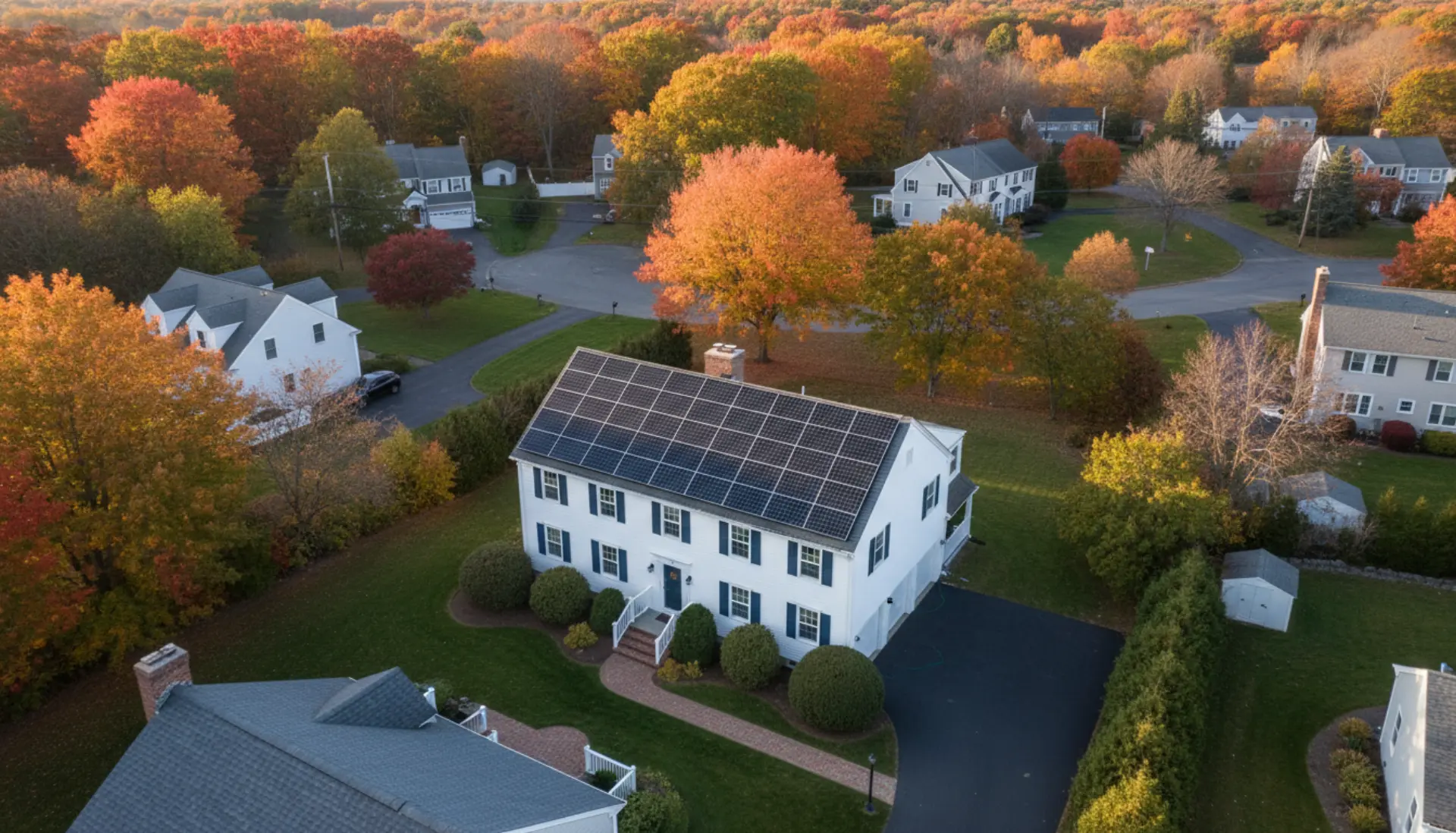
July 4, 2026
Projects must begin construction before this date to claim the 30% Section 48/48E ITC with FEOC-compliant panels.
On a typical 8 kW system, the 30% ITC is worth $7,200+ to the financing company — which translates to significantly lower monthly payments for you. Without FEOC compliance, that savings disappears entirely.
Residential ITC (25D)
EXPIRED
Dec 31, 2025 — $0 for cash/loan buyers
Commercial ITC (48/48E)
30%
Active for third-party owners until Jul 4, 2026
Who Claims the ITC?
FINANCING CO.
Not the homeowner — the third-party system owner
FEOC Required?
YES
Silfab = compliant. Hyundai & REC = not compliant.
In a third-party ownership structure (like Propel), the financing company owns the solar system on your roof. They claim the Section 48/48E commercial ITC at 30%. This is not a homeowner tax credit — you benefit through lower monthly payments, not a line item on your tax return. The financing company can only claim this credit with FEOC-compliant equipment like Silfab.
Complete technical specifications for the Silfab SIL-440-BG 440W solar panel. All values at Standard Test Conditions (STC: 1000 W/m², 25°C, AM 1.5).
HJT stands for Heterojunction Technology. It combines crystalline silicon (the standard material in solar cells) with ultrathin amorphous silicon films. This sandwich structure was originally developed by Panasonic as “HIT” (Heterojunction with Intrinsic Thin Layer) in the 1990s. When Panasonic's patents expired in 2010, manufacturers like Silfab and REC adopted and improved the technology.
For homeowners, HJT offers three practical advantages over older PERC and even newer TOPCon cell technologies:
At -0.26%/°C, Silfab HJT panels lose significantly less power in heat compared to PERC (-0.34%/°C). On a 95°F roof, Silfab produces ~3% more power than a same-wattage PERC panel. This adds up over 30 years.
HJT cells degrade at just 0.25%/yr — nearly half the rate of PERC (0.45%/yr) and significantly better than TOPCon (0.40%/yr). At year 25, Silfab retains ~92% while a PERC panel is down to ~86%.
HJT cells produce power from both sides. While the rear gain on a standard rooftop mount is modest (2-5%), on ground-mount or white-membrane commercial roofs, bifacial gains can reach 10-15% additional output.
The 132 half-cut cell design combined with HJT technology provides better partial-shade performance. When one cell is shaded, HJT half-cut panels lose less total output than traditional full-cell panels.
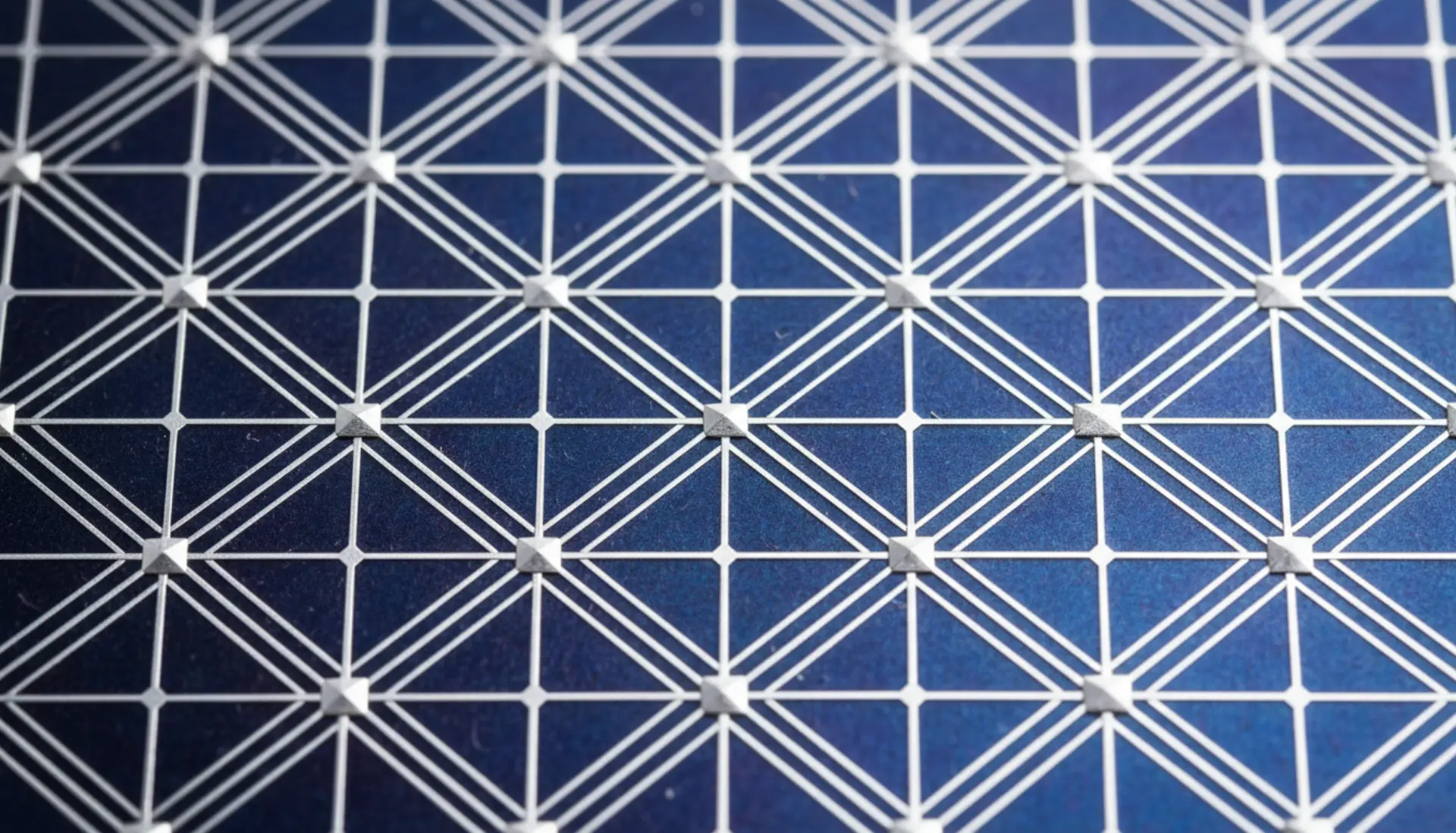
HJT cell structure: crystalline silicon core sandwiched between amorphous silicon thin films
| Metric | HJT | TOPCon | PERC |
|---|---|---|---|
| Temp Coeff. | -0.26% | -0.30% | -0.34% |
| Degradation | 0.25%/yr | 0.40%/yr | 0.45%/yr |
| Yr 25 | ~92% | ~87.6% | ~86% |
| Bifacial | Yes | Yes | No |
| LID | Near zero | Low | Moderate |
Lab specs tell part of the story. Here is what Silfab SIL-440-BG panels actually deliver in the field, based on NuWatt installation data across New England and Texas.
Annual Production (per panel)
550-620 kWh/yr
Based on 4.0-4.5 peak sun hours/day avg, south-facing
Heat Performance Advantage
New England summers hit 85-95°F, and roof temperatures can exceed 140°F. Silfab's -0.26%/°C coefficient means roughly 2-3% more output on hot summer days vs PERC panels. This advantage compounds over 30 years.
Snow Performance
The all-black aesthetic with black frame absorbs heat slightly better than white-backsheet panels, promoting marginally faster snow melt. The half-cut cell design reduces losses from partial snow coverage.
Annual Production (per panel)
700-790 kWh/yr
Based on 5.2-5.8 peak sun hours/day avg, south-facing
Heat Performance Advantage
Texas summers routinely exceed 100°F with roof temps above 150°F. HJT's -0.26%/°C coefficient is critical here — Silfab panels produce 4-5% more than a same-wattage PERC panel during peak Texas summer. On the hottest days, when you need production the most, HJT delivers.
Humidity Tolerance
HJT cells have superior resistance to potential-induced degradation (PID) in humid environments. The Gulf Coast region's humidity is not a concern with this cell technology.
Assuming 600 kWh/yr baseline (New England average). Degradation rates applied annually after year 1.
| Panel Type | Year 1 | Year 10 | Year 25 | Year 30 | Cumulative (30yr) |
|---|---|---|---|---|---|
| Silfab 440W (HJT) | 594 kWh | 580 kWh | 558 kWh | 551 kWh | 17,190 kWh |
| TOPCon 440W | 594 kWh | 572 kWh | 538 kWh | 527 kWh | 16,620 kWh |
| PERC 440W | 594 kWh | 569 kWh | 530 kWh | 518 kWh | 16,320 kWh |
Over 30 years, Silfab HJT produces approximately 870 kWh more per panel than an equivalent PERC panel. On a 20-panel system, that is 17,400 kWh of additional production — worth roughly $4,500-5,000 at current New England rates.
NuWatt offers three panel tiers. Here is how Silfab compares to the Hyundai 440W and REC Alpha Pure-RX 460W on every metric that matters.
| Specification | Silfab SIL-440-BGNuWatt Standard | Hyundai HiE-S440VG | REC Alpha Pure-RX 460W |
|---|---|---|---|
| Wattage | 440W | 440W | 460W |
| Efficiency | 22.2% | 22.0% | 22.3% |
| Cell Type | N-type HJT | N-type TOPCon | N-type HJT (gapless) |
| Temp Coefficient | -0.26%/°C | -0.26%/°C | -0.26%/°C |
| Degradation | 0.25%/yr | 0.40%/yr | 0.25%/yr |
| Year 25 Output | ~92% | ~87.6% | ~92% |
| Warranty | 30-yr product + performance | 25-yr product + performance | 25-yr product + performance |
| Origin | Canada + USA | South Korea | Norway / Singapore |
| Price Position | Baseline (NuWatt standard) | +$0.05/W upgrade | +$0.10/W upgrade |
| FEOC Compliant | Yes | No | No |
| Propel Eligible | Yes | No | No |
NuWatt uses a simple three-tier panel pricing structure. Silfab is our standard panel — included at no additional cost. Hyundai and REC are optional upgrades with per-watt premiums.
440W | N-type HJT | North American
per watt offset (baseline price)
440W | N-type TOPCon | South Korea
per watt upgrade
460W | N-type HJT | Norway / Singapore
per watt upgrade
Silfab is built into NuWatt's base system price. When you get a quote, Silfab panels are included at no additional cost. If you choose Hyundai, add $0.05 per watt to the system price. For REC, add $0.10 per watt. On an 8 kW (8,000W) system, that means Hyundai adds $400 and REC adds $800 to the total.
NuWatt's Propel program is a third-party ownership model that makes solar accessible with $0 upfront cost. The financing company owns the panels on your roof, claims the 30% Section 48/48E commercial ITC, and passes those savings to you as lower monthly payments.
Because the financing company must claim the ITC, and the ITC requires FEOC-compliant equipment, Propel exclusively uses Silfab SIL-440-BG panels. This is not a preference — it's a legal requirement.
Propel is currently available in Maine and Texas, with additional states planned for 2026.
Using FEOC-compliant Silfab SIL-440-BG panels + Enphase IQ8 microinverters.
They claim the 30% Section 48/48E ITC + any available adders (domestic content, energy community).
Typically lower than your current electricity bill. No upfront cost, no maintenance responsibility.
Most Propel agreements include a buyout option after the ITC recapture period expires.
The Section 48/48E ITC requires construction to begin before July 4, 2026. That means signing a Propel agreement, completing design, and starting installation before the deadline. NuWatt's current installation timeline is 6-10 weeks from contract signing, so acting before May 2026 is recommended.
Silfab is not always the right panel. Here is an honest breakdown of who benefits most from Silfab vs when you should consider an upgrade.
You want $0 down financing (Propel)
Silfab is the only panel that qualifies for NuWatt's Propel program. No alternatives.
You want the longest warranty
30-year product + 30-year performance is unmatched in residential solar.
You want to support North American manufacturing
Made in Burlington, Ontario and Bellingham, Washington. Every dollar stays on this continent.
You need Buy American compliance
Required for certain government, municipal, and institutional installations.
You prioritize long-term production over day-one specs
At 0.25%/yr degradation, Silfab produces more power over 30 years than higher-wattage PERC panels.
You're in a hot climate (Texas)
HJT's superior temperature coefficient means measurably more production on hot days.
You're paying cash or using a standard loan
Without Propel financing, FEOC compliance doesn't matter for your purchase. Consider REC 460W for more watts per panel.
You want maximum wattage per panel
REC Alpha Pure-RX at 460W produces 20 more watts per panel. On a roof-limited installation, this can mean one fewer panel needed.
You prefer a Korean manufacturer
Hyundai offers strong brand recognition and a $200B parent company. Some homeowners prefer the Hyundai name for perceived reliability.
You're maximizing a small roof
If every watt counts due to limited roof space, the REC 460W's higher output may justify the $0.10/W premium.
Our installation teams have put Silfab SIL-440-BG panels on hundreds of roofs across New England and Texas. Here are the practical details that matter when the panels actually go on your house.
At 47.4 lbs, the SIL-440-BG is standard weight for a 440W panel. No special lifting equipment needed. Two-person carry on ladders and racking. The 30mm profile sits flush with most racking systems.
Standard 1722 × 1134 mm footprint. Compatible with IronRidge, Unirac, SnapNrack, and all major racking systems without custom clamps. The black frame looks clean with IronRidge XR100 Black.
Standard MC4 compatible connectors with good cable length. Clean integration with Enphase IQ8 microinverters — our standard pairing. No adapter cables needed.
True all-black appearance (black cells, black backsheet, black frame). From the ground, the panels look nearly identical to our REC Alpha panels. Clean, modern, and HOA-friendly.
In 200+ Silfab installations, we have seen zero DOA (dead on arrival) panels and no early failures. Consistent power output within ±2% of nameplate rating. Better QC consistency than some higher-wattage Asian panels we have tested.
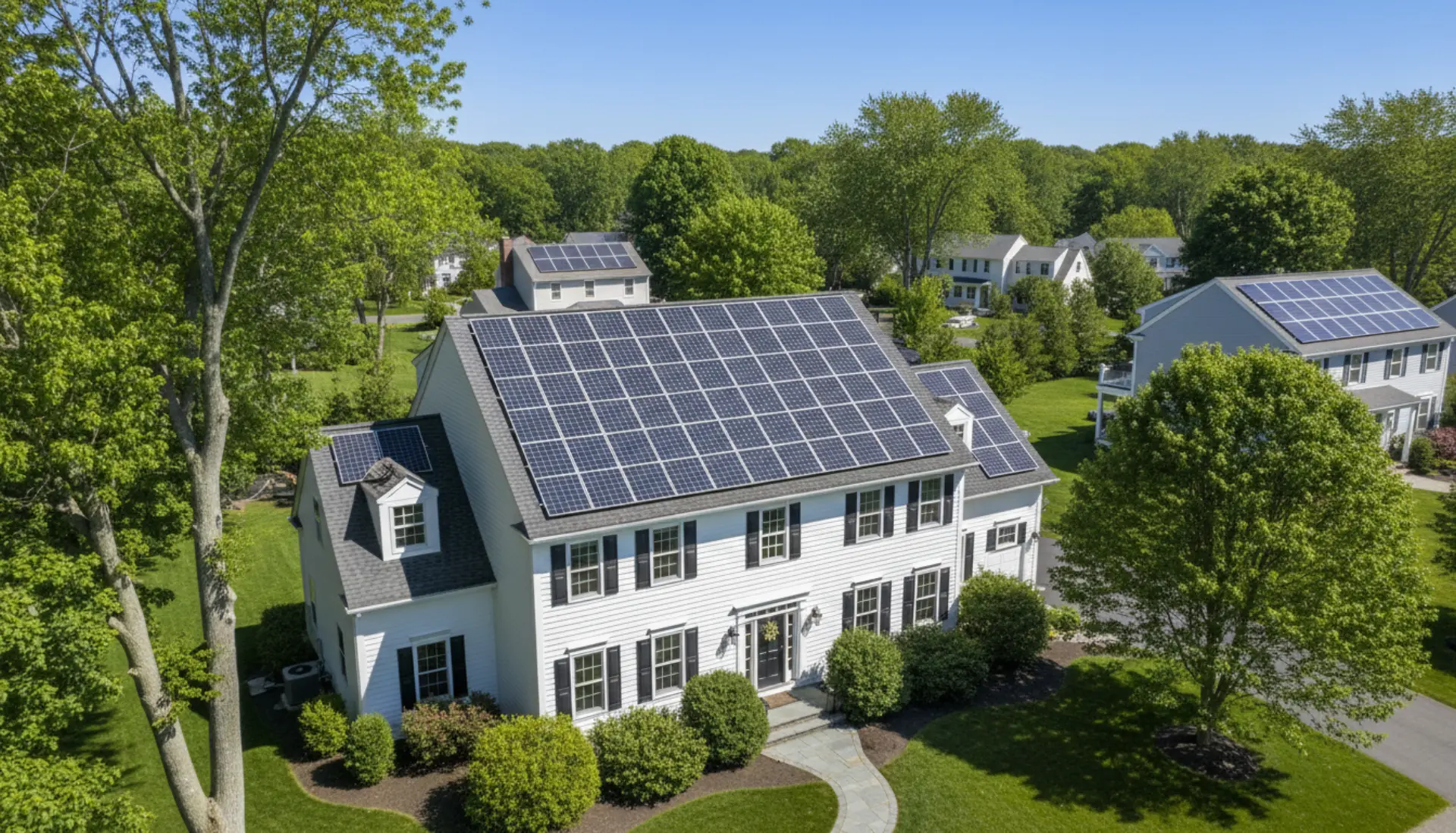
Completed Silfab installation on a New England residential roof
1-2 Days
Avg Install Time
2.27
Panels Per kW
0%
DOA Rate
200+
NuWatt Installs
Silfab Solar has been manufacturing panels in North America since 2010. While newer than some competitors, their strategic focus on domestic production has positioned them as the go-to panel for FEOC-compliant installations.
Silfab Solar is established in Mississauga, Ontario, Canada, focusing on North American solar panel manufacturing with European engineering heritage.
Opens a 120,000 sq ft manufacturing facility in Burlington, Ontario — one of the largest solar panel factories in North America at the time.
Scales manufacturing to 200 MW annual production capacity. Establishes partnerships with major North American solar installers and distributors.
Opens a second manufacturing facility in Bellingham, Washington — directly serving the U.S. market with American-made panels and qualifying for Buy American requirements.
Begins producing panels with N-type Heterojunction (HJT) cells, matching the premium technology used by Panasonic and REC. This positions Silfab in the top tier for efficiency and degradation.
The Inflation Reduction Act creates strong demand for domestically manufactured solar equipment. Silfab's North American production becomes a strategic advantage as FEOC requirements take shape.
Silfab confirms full compliance with Foreign Entity of Concern (FEOC) requirements under Section 48/48E. No Chinese-sourced cells, wafers, or polysilicon in the supply chain.
Combined Burlington + Bellingham capacity surpasses 1 GW annually. Silfab becomes the go-to panel for third-party financing companies requiring FEOC compliance.
Launches the SIL-440-BG with industry-leading 30-year product AND 30-year performance warranty — the longest dual warranty in residential solar. 132 half-cut HJT cells at 22.2% efficiency.
As the July 4, 2026 FEOC deadline nears, Silfab becomes critical for any solar installation using Section 48/48E ITC financing. NuWatt's Propel program requires Silfab panels.
Common questions about the Silfab SIL-440-BG, FEOC compliance, Propel financing, and how Silfab compares to alternatives.
FEOC (Foreign Entity of Concern) compliance means the solar panel is manufactured entirely without components from designated foreign adversaries — primarily China, Russia, North Korea, and Iran. Under the Inflation Reduction Act, the Section 48/48E commercial Investment Tax Credit (30%) requires FEOC-compliant equipment. Silfab panels are manufactured in Burlington, Ontario (Canada) and Bellingham, Washington (USA) with no Chinese-sourced cells, wafers, or polysilicon.
Silfab SIL-440-BG panels are manufactured in North America — specifically in Burlington, Ontario, Canada and Bellingham, Washington, USA. The Bellingham facility produces American-made panels that qualify for Buy American requirements. Both facilities use N-type HJT cell technology with non-Chinese supply chains.
NuWatt's Propel program ($0 Down Solar) uses a third-party ownership structure where the financing company claims the Section 48/48E commercial ITC at 30%. This ITC requires FEOC-compliant equipment. Silfab is the only panel in NuWatt's residential lineup that meets the FEOC standard, making it the required choice for Propel financing in Maine and Texas.
Both are 440W panels, but they use different cell technologies. Silfab uses N-type HJT cells with 0.25%/yr degradation, while Hyundai uses N-type TOPCon with 0.40%/yr degradation. At year 25, Silfab retains ~92% output vs Hyundai's ~87.6%. Silfab also offers a 30-year warranty (vs Hyundai's 25-year) and is FEOC compliant (Hyundai is not). Hyundai has a slight edge in real-world hot-climate performance due to its TOPCon architecture.
The REC Alpha Pure-RX 460W produces 20 more watts per panel using gapless HJT cells at 22.3% efficiency vs Silfab's 22.2%. Both degrade at just 0.25%/yr. The key difference is FEOC compliance: REC panels are manufactured in Norway and Singapore, which doesn't trigger FEOC issues but may not qualify for all domestic content requirements. Only Silfab qualifies for NuWatt's Propel $0 Down financing.
HJT (Heterojunction) technology combines crystalline silicon with amorphous silicon thin films. Benefits include: a lower temperature coefficient (-0.26%/°C vs -0.34%/°C for PERC), meaning better performance in heat; slower degradation (0.25%/yr vs 0.40-0.45%/yr for PERC/TOPCon); near-zero light-induced degradation (LID); and bifacial capability for reflected-light gains. Panasonic pioneered this as "HIT" technology; Silfab and REC now produce HJT panels.
The Section 25D residential solar ITC expired December 31, 2025 — homeowners who purchase solar with cash or a loan receive $0 in federal tax credits. However, the Section 48/48E commercial ITC (30%) is still available for third-party owned systems that begin construction before July 4, 2026. In this structure, the financing company claims the credit and passes savings to you as lower monthly payments. This requires FEOC-compliant panels like Silfab.
Silfab offers a 30-year product warranty covering manufacturing defects, materials, and workmanship, plus a 30-year performance warranty guaranteeing at least ~90.8% output at year 30. This is the longest dual warranty in residential solar — most competitors offer 25-year warranties. The 30-year coverage reflects Silfab's confidence in their HJT cell technology's longevity.
The FEOC compliance deadline for Section 48/48E ITC eligibility is July 4, 2026. Solar projects using third-party financing must begin construction before this date to claim the 30% commercial ITC with FEOC-compliant equipment. After this date, FEOC requirements become even stricter. If you're considering Propel ($0 Down Solar) or any lease/PPA financing, locking in before July 4, 2026 is critical.
Yes — NuWatt's Propel program offers $0 down solar in Maine and Texas using a third-party ownership structure. The financing company owns the panels, claims the 30% Section 48/48E commercial ITC, and passes savings to you as lower monthly payments. This requires FEOC-compliant Silfab panels and construction must begin before July 4, 2026. Propel is currently the most effective way for homeowners to access federal solar incentives.
Whether you choose Silfab for Propel $0 Down financing or simply want the longest warranty in residential solar, start with a free quote. NuWatt's team will design your system and walk you through all panel and financing options.