Loading NuWatt Energy...

We use your location to provide localized solar offers and incentives.
We serve MA, NH, CT, RI, ME, VT, NJ, PA, and TX
Loading NuWatt Energy...
NuWatt designs, installs, and manages solar, battery, heat pump, and EV charger systems across 9 states. One company, one warranty, one point of contact.
Get a Free Quote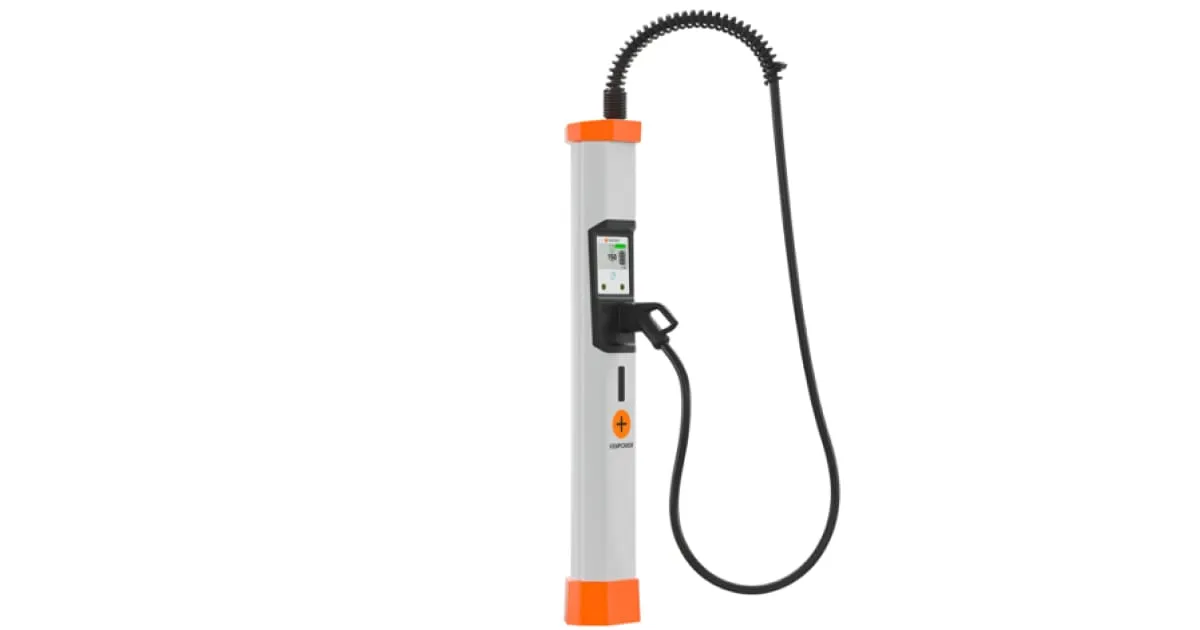
Kempower Satellite shown. Separate Power Unit required, not pictured. Product image used for identification; not a C-Series cabinet image.
Planning a Kempower distributed charging system? Distinguish the power cabinet from the Satellite dispensers and size the complete system for your vehicles and site. This existing C-Series guide explains the current Satellite + Power Unit architecture without treating every generation as the same configuration.
The Satellite is the driver-facing DC dispenser. The separate Power Unit converts the site's AC supply and distributes DC power. A Satellite is not a complete standalone charger, and a Power Unit cabinet is not the dispenser shown in the photo.
Specify cabinet capacity, installed modules, utility supply and future expansion. The system rating is not a guaranteed rating for every connected port.
Specify the connector, charging outputs, cable reach and vehicle compatibility at each parking space. Keep equipment and cable clearances in the design.
Check concurrent vehicle demand, payment and access, communications, service coverage and commissioning. Solar production does not replace the required electrical-capacity review.
For an existing C-Series installation, use its nameplate, generation-specific documentation and approved compatibility information. Current Satellite documentation is not proof that every legacy cabinet, firmware version or connector can be upgraded interchangeably.
| Charger type | Commercial DC fast charging; distributed system |
| Power conversion | Separate Power Unit converts AC supply to DC |
| Vehicle connection | Satellite dispenser; not a standalone AC wall charger |
| Power allocation | Shared between outputs; verify simultaneous charging demand |
| Output rating | Confirm the exact North American Power Unit and Satellite combination |
| Connectors | North American CCS1 and NACS options; verify the quoted SKU |
| Software | ChargEye available; confirm backend, payment and reporting requirements |
| Cable layout | Confirm cable reach, dispenser spacing and approved cable-run limits |
| Public access | Specify payment, metering, accessibility and network requirements |
| Service | Confirm written warranty, response coverage and parts availability for the site |
Evaluate DC charging where vehicle duty cycles require more energy within the available parking window than AC charging can provide.
Match vehicle battery voltage, connector and charge-acceptance curve to the specified equipment. Do not infer compatibility from vehicle size alone.
Model concurrent arrivals and the energy each vehicle needs. Shared power is a design tool, not a guarantee that every port receives its peak rating at once.
| Line item | Scope to confirm |
|---|---|
| Power Unit and power modules | Specify initial and expansion capacity |
| Satellite dispensers and connectors | Specify port count and simultaneous demand |
| Electrical service and switchgear | Site survey and utility review required |
| Trenching and cable runs | Based on the approved site layout |
| Civil work and accessibility | Include pads, clearances, protection and signage |
| Commissioning, software and service | Separate upfront and recurring costs |
| Complete installed system | Site-specific proposal |
Expansion cost depends on spare power capacity, utility requirements and the existing installation. Compare proposals with the same equipment, civil-work, software and service scope; do not assume a fixed per-port saving.
Section 30C is unavailable for property placed in service after June 30, 2026. For qualifying property placed in service from January 1, 2023 through that date, the residential credit was 30% with a $1,000 limit per item at a main home. The business credit was 6%, or 30% when applicable prevailing-wage and apprenticeship requirements were met, with a $100,000 limit per item. Eligible location and other requirements still apply. The IRS defines an item as each charging port, fuel dispenser or storage property—not automatically an entire cabinet or household. Confirm historical eligibility and cost allocation with a tax adviser before filing Form 8911. Do not assume state or utility funding is available for a particular model or site. IRS guidance (opens in a new tab).
Full Section 30C commercial guide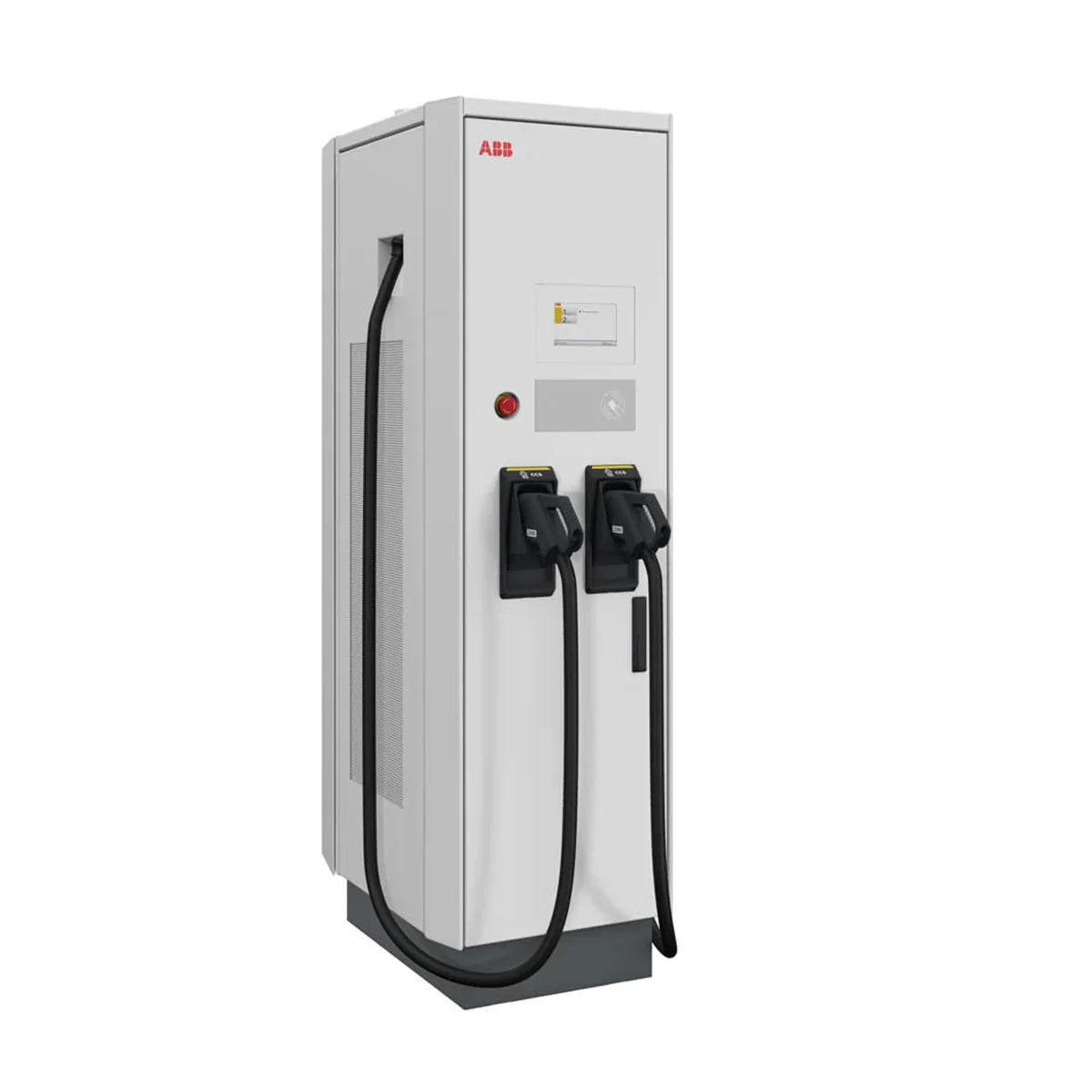
Another DC charging platform to evaluate against the same vehicle demand, electrical capacity and service requirements.
View spec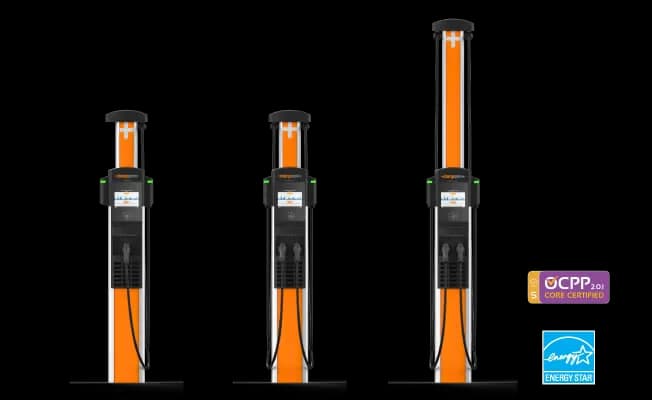
Commercial AC Level 2 for longer parking windows. Compare the required daily energy before choosing DC fast charging.
View spec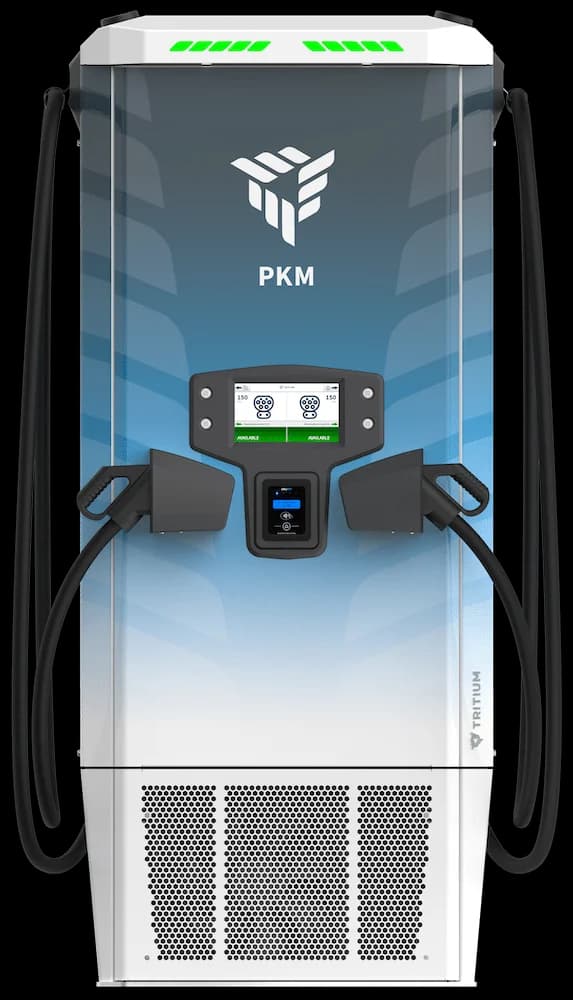
Review the exact configuration and current service support before comparing this DC platform for a new project.
View specShare your vehicle requirements, port count and site information. Request a proposal that clearly identifies the equipment, installation, software and service scope.
Kempower® and C-Series® are trademarks of Kempower Oyj. Used here for nominative identification under fair-use principles to describe the product and its specifications. NuWatt Energy is not affiliated with, sponsored by, or endorsed by Kempower Oyj. Equipment examples are not an assertion of stock, certification or installation history. Specifications vary by generation and configuration — confirm current details with a NuWatt project manager before committing capital. See our full Brands & Trademarks page.
References checked September 14, 2026. Configuration and procurement guide, not a verified installed-price offer.
Sources (open in a new tab): Kempower Satellite, Kempower distributed systems, IRS Section 30C.