
What is make-ready infrastructure?
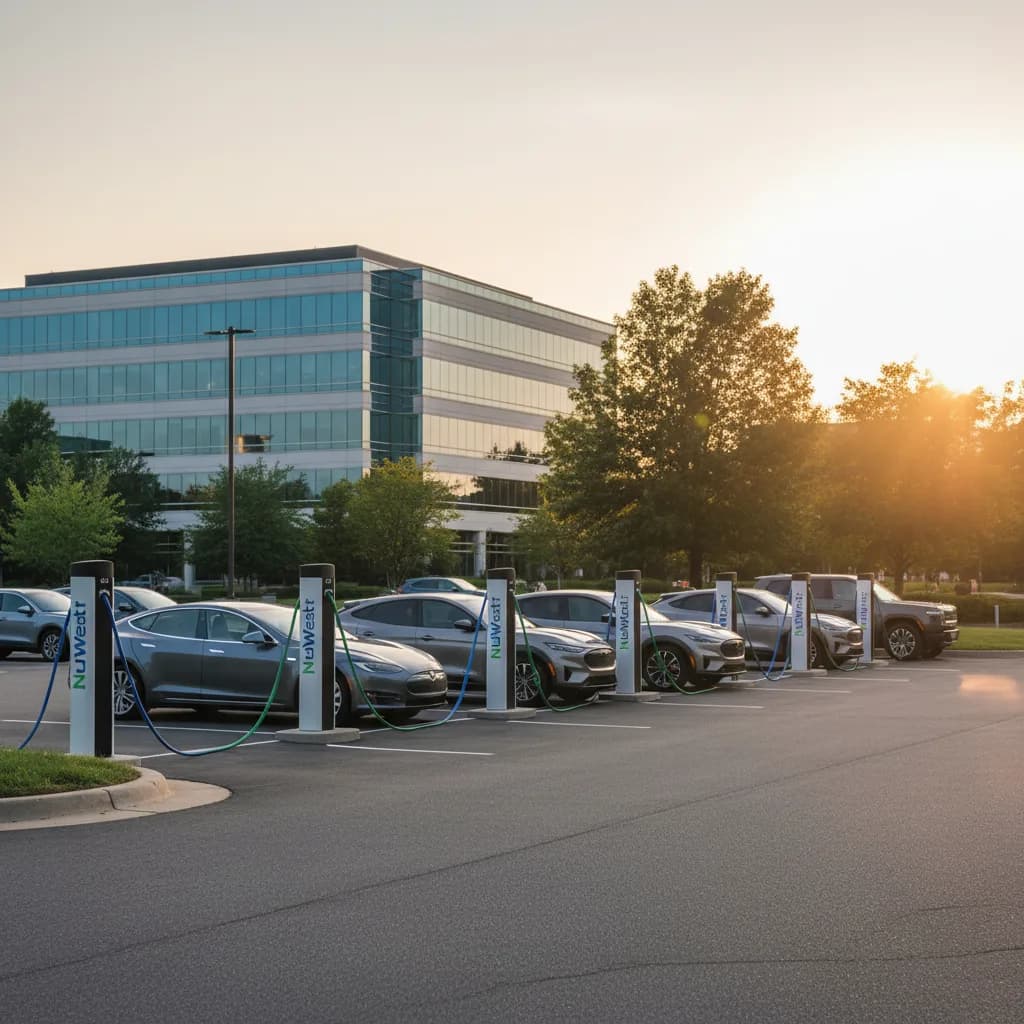
Make-ready infrastructure is the electrical plumbing that sits between the utility transformer and the parking stall — transformer, service entrance, meter, switchboard, feeder conduit, junction boxes, and stub-ups. Industry practice splits make-ready into three tiers:
- Utility-side: the transformer and primary feed up to the customer meter. Utility EV programs in MA, CT, NJ, and RI generally cover 100% of this.
- Customer-side pedestal-ready: switchboard, panel, conduit, and pull boxes terminated at each stall. This is where most 2026 rebate dollars flow.
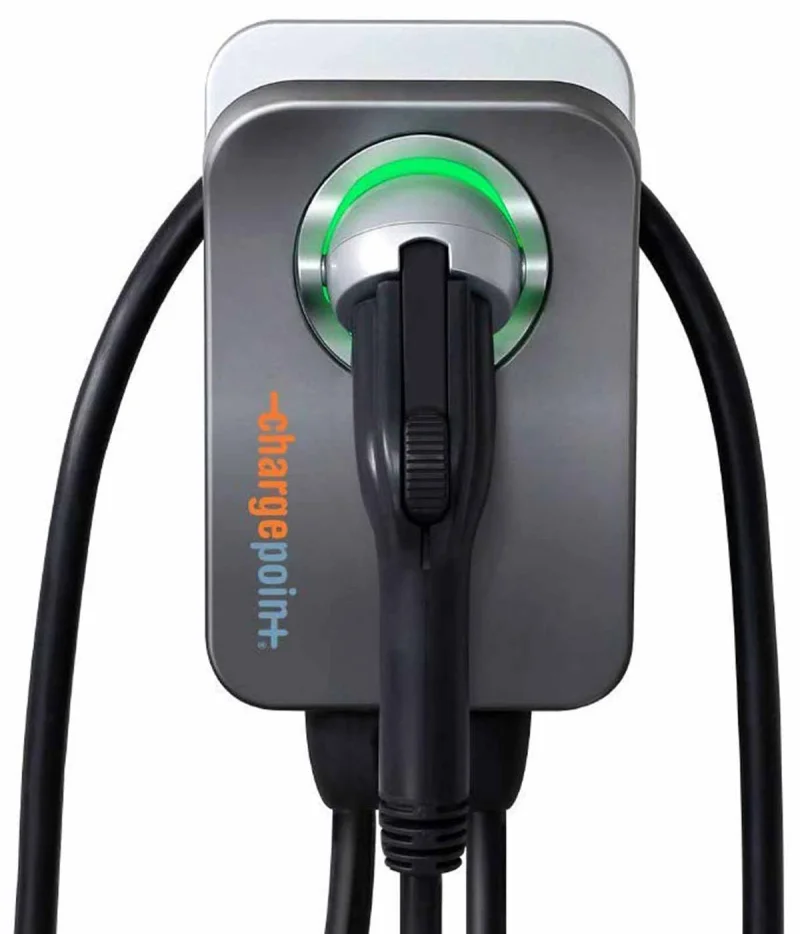
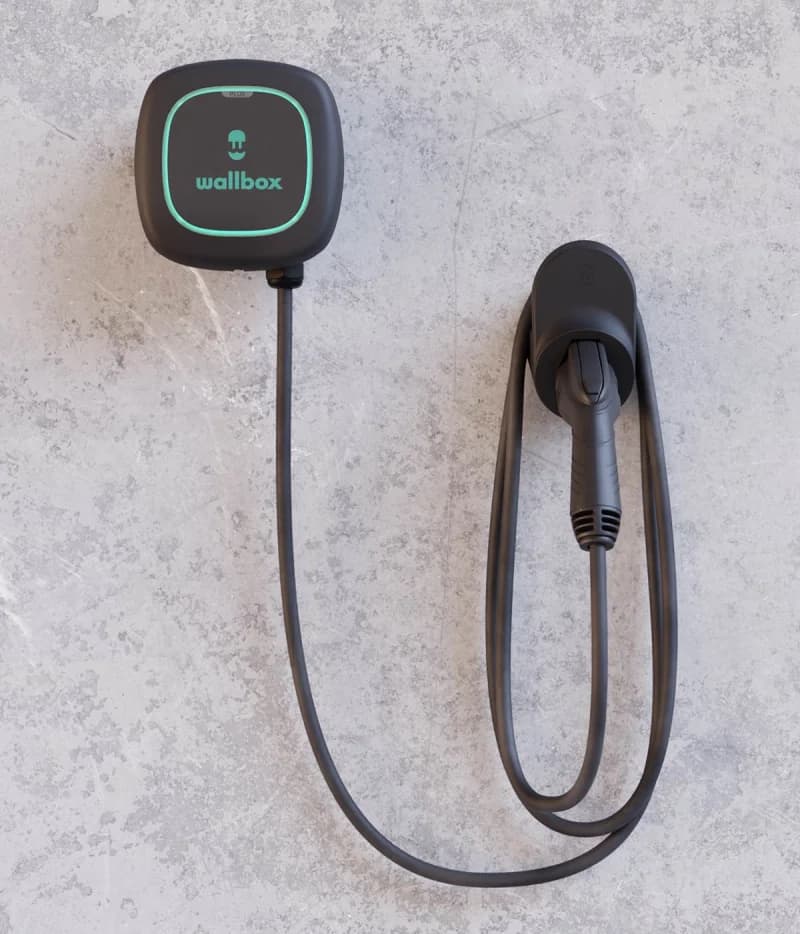
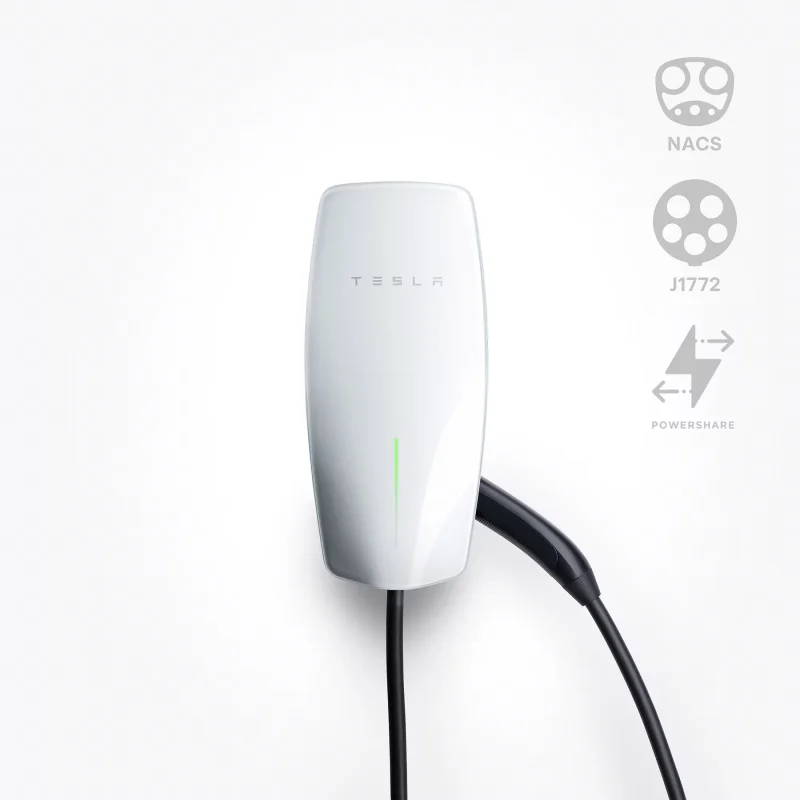
- Charger-and-commissioning: the EVSE itself, mounting, wiring terminations, network enrollment, and acceptance testing.
Did Section 30C require prevailing wage?
Not to claim the credit — but yes to claim the full 30%. Without prevailing wage and apprenticeship (PWA), commercial projects claim the base 6% business-property credit. With PWA — meaning Davis-Bacon wage rates across all laborers and mechanics during construction plus a registered-apprenticeship labor-hour percentage — the credit scaled to 30%. On a $500,000 project, PWA compliance was the difference between a $30,000 credit and a $100,000 credit (capped at $100K/item). Although the credit expired June 30, 2026, this still decides what a pre-expiry install can claim on Form 8911 — NuWatt retains the certified payroll and apprenticeship records that substantiate the 30% rate.
What census tracts qualified for the 30C credit?
Two paths to eligibility: (1) the property was in a low-income community census tract under Section 45D(e), or (2) it was in a non-urban tract. Treasury published the definitive GEOID list in Notice 2024-20 with subsequent technical corrections. Eligibility was by-tract, not by-state — so inside Boston, for example, the Roxbury and Mattapan tracts overwhelmingly qualified while Beacon Hill did not. Eligibility locked in at the placed-in-service date, so it still matters for chargers placed in service by June 30, 2026: NuWatt runs the GEOID lookup and documents the tract number so your tax preparer can defend the credit on IRS Form 8911.
How many EV chargers does my office need?
A defensible 2026 starting ratio for workplace Level 2 is 1 port per 20 employees, scaling to 1 per 10 in high-EV-adoption ZIPs. Three variables shift the answer:
- EV adoption rate in your MSA — Greater Boston, suburban NJ, and Austin run ahead of national averages.
- Dwell time — 8-hour workday sites can share ports across two vehicles with smart scheduling, dropping the effective port requirement.
- Service capacity — if you cannot get a service upgrade approved, active load management (ChargePoint Power Management, Xeal Energy Control) lets you over-subscribe the panel without tripping breakers.
For multifamily, the 2026 starting point is 1 shared port per 4–6 units (new construction) or 1 per 8–12 units (retrofit). For fleet depots, port count mirrors vehicle count, with kW-per-port tuned to overnight dwell.
When should I pair EV charging with solar or storage?
Any time demand charges are a meaningful line item on your utility bill. DCFC pulls 50–350 kW during a session, which can spike your demand charge even if total consumption barely moves. Pairing DCFC with a behind-the-meter battery (Section 48E-eligible as energy storage technology) flattens the peak and pays for itself in 3–6 years on many ISO-NE and PJM tariffs. Solar-plus-storage-plus-EV is the highest-ROI bundle we install in 2026 — because 48E and state solar incentives stack cleanly against a single service upgrade. Our Propel financing product was built specifically for this bundle when self-funding is off the table.