Loading NuWatt Energy...

We use your location to provide localized solar offers and incentives.
We serve MA, NH, CT, RI, ME, VT, NJ, PA, and TX
Loading NuWatt Energy...
NuWatt designs, installs, and manages solar, battery, heat pump, and EV charger systems across 9 states. One company, one warranty, one point of contact.
Get a Free Quote
Maine's commercial EV story is unique — generous Efficiency Maine rebates ($500–$2,500 per L2 port and up to $20,000 per DCFC port), split utility territory between CMP and Versant, the highest demand tariff in the Northeast on Versant, and a Net Energy Billing program that makes solar-canopy + EV bundles extraordinarily compelling.
CMP + Versant
Primary utilities
~$13/kW
Versant demand charge
up to $20K
Efficiency Maine DCFC
Jun 30 2026
Section 30C deadline
Maine stacks Efficiency Maine ($500–$2,500/L2, up to $20K/DCFC), CMP or Versant utility rebates, Maine Net Energy Billing for solar-canopy bundles, and federal Section 30C. Versant Power territory carries ~$13/kW demand — highest in New England — making load management and on-site solar especially valuable. Hardware must be rated to −22°F with coastal NEMA 4X on salt-air sites.
Maine is a geographically large, sparsely populated state with the commercial EV opportunity concentrated in five zones: Portland's professional services / legal / financial / healthcare corridor; the Freeport–Brunswick–Bath retail and logistics corridor (L.L.Bean, Bath Iron Works supply chain); Bangor as the secondary metro; coastal hospitality and DCFC along Route 1 from Kennebunkport through Camden and up to Acadia and Bar Harbor; and inland small-fleet electrification for town public works, hospitals, and forest-products companies. The state also has an active NEVI DCFC buildout along I-95, I-295, and Route 1.
Central Maine Power (CMP) covers roughly 80% of the state — Portland, Lewiston, Auburn, Augusta, Waterville, Brunswick, Bath, the Midcoast, southern interior, and most of the population centers. Versant Powercovers the remainder — Bangor, Hampden, the Penobscot region, Aroostook County, and Downeast Maine. CMP's commercial demand charge is around $11/kW; Versant's is around $13/kW, currently the highest commercial demand tariff in New England. Both utilities run separate commercial EV programs with differing per-port rebate tiers, approved-product lists, and make-ready coordination processes.
On top of that, Efficiency Maine administers the state-level commercial EV charger incentive. Level 2 rebates scale from roughly $500 for a basic non-networked port to $2,500 for networked, bidirectional, or multifamily-designated ports. DCFC rebates run up to $20,000 per port for public-access high-power sites on priority corridors. Efficiency Maine dollars stack with CMP/Versant rebates and with Section 30C.
Maine's Net Energy Billing (NEB) framework is the most generous in NuWatt's footprint outside Massachusetts SMART. For commercial hosts with sufficient parking-lot acreage, a solar canopy over the charging zone captures credit for generation against the same account's total draw — including the EV chargers themselves. A 200 kW canopy over a 20-space parking field generates enough to offset a substantial fraction of charger consumption and partially flatten the demand profile. Stacking Section 48E on the canopy plus Section 30C on the chargers plus Efficiency Maine plus CMP or Versant make-ready routinely lands payback inside 6–8 years on the combined asset.
Maine has favorable 30C coverage through both IRS pathways. The low-income-community pathway captures most of Portland's Old Port, Bayside, and West End; downtown Lewiston and Auburn; central Bangor and Brewer; downtown Augusta; downtown Waterville; the Biddeford mill district; and portions of Saco and Westbrook. The non-urban pathway captures essentially all of the Unorganized Territories, the North Woods, most of Aroostook and Washington Counties, and much of rural Hancock, Somerset, and Piscataquis Counties. One notable exception: some of Maine's wealthier coastal towns — Cape Elizabeth, Falmouth, Yarmouth, Ogunquit — do not qualify. NuWatt runs GEOID verification on every site before modeling.
Cold-climate-rated hardware (−22°F continuous) with coastal NEMA 4X where applicable, plus a DCFC workhorse for Route 1 + Acadia tourist corridors. All four clear Efficiency Maine, CMP, and Versant approved-products screening.
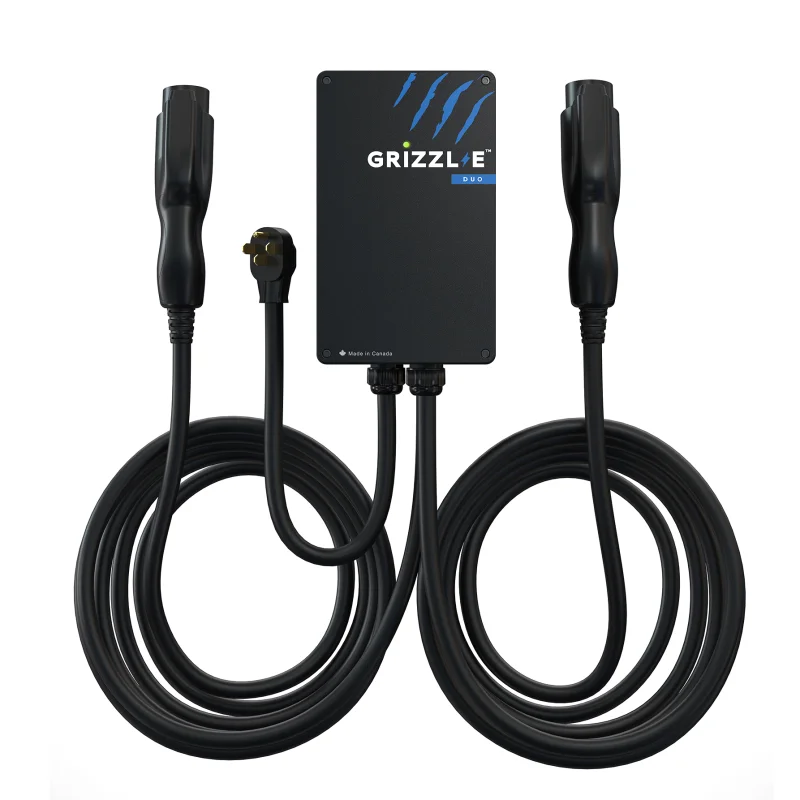
Dual-port 40A L2, NEMA 4, −22°F rated, load-shares a single 50A branch circuit
Networked dual-port L2 with OCPP — qualifies for CMP and Versant commercial rebates + Efficiency Maine
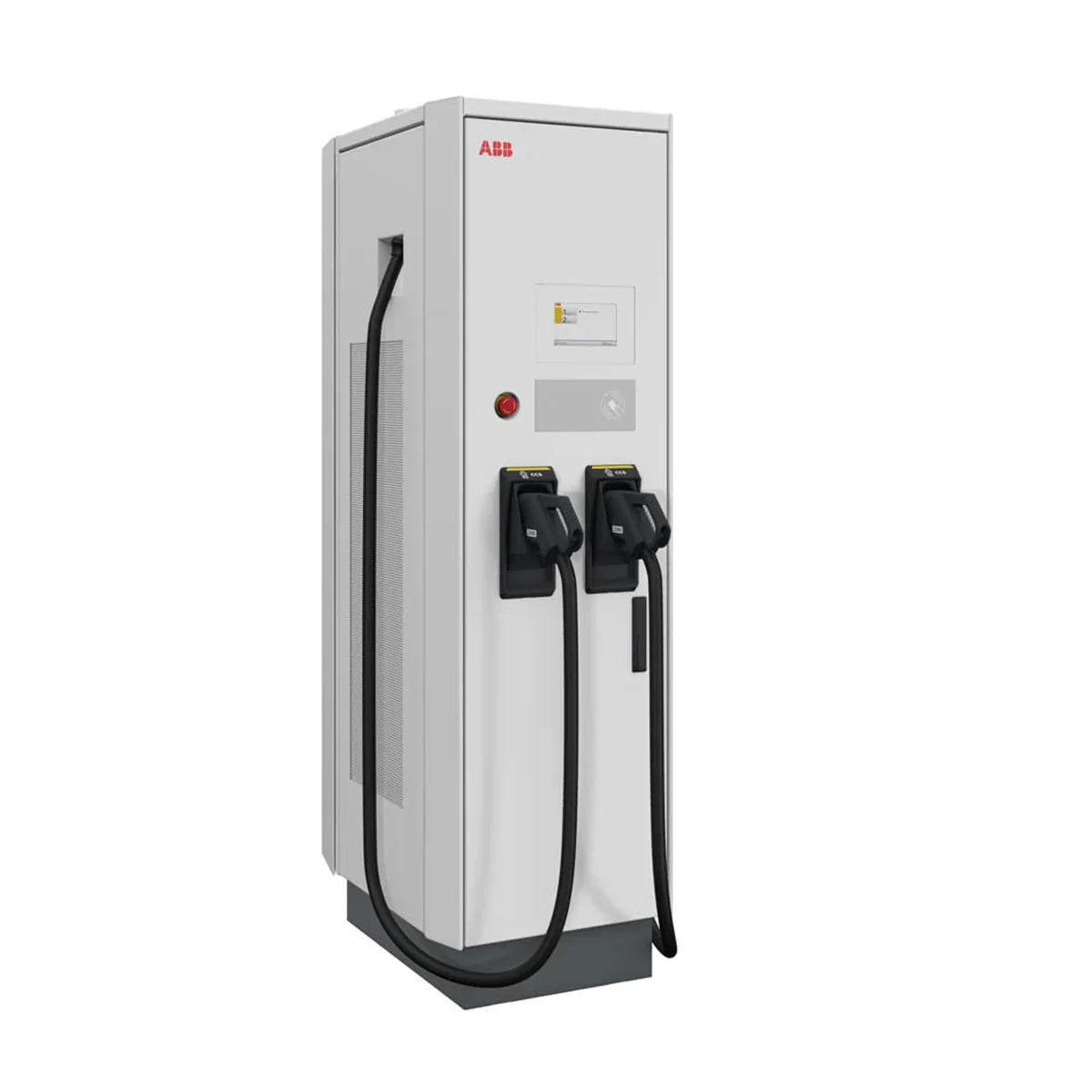
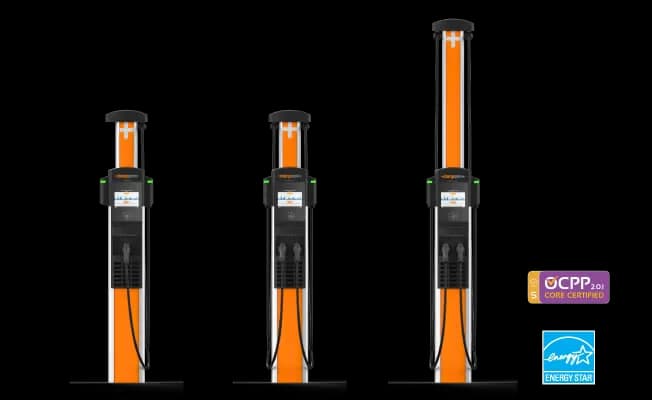
175–350 kW DCFC, dual CCS1 + NACS pedestals — matches Efficiency Maine $20K/DCFC tier
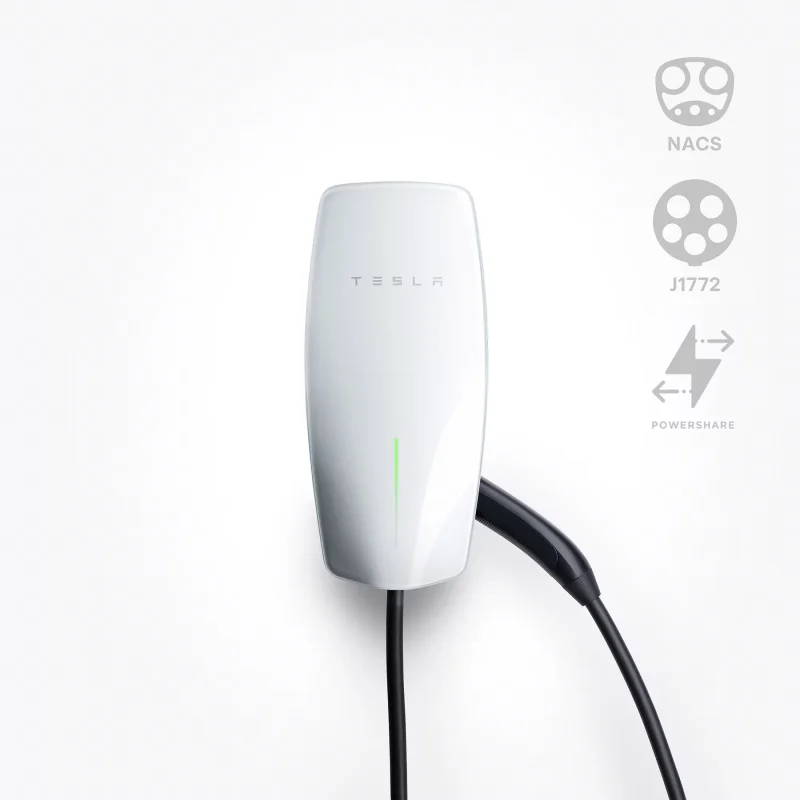
Native NACS plus J1772 adapter, 48A L2 — Portland + Kennebunkport + Bar Harbor Tesla mix
Maine commercial EV projects land in five distinct buckets, each with a different tariff and incentive profile:
Maine's environmental envelope forces specific hardware choices. The cold side is easy: continuous operation rated to −22°F (−30°C), NEMA 4 enclosures, cold-rated cable jackets. The coastal side is harder. Any site within five miles of salt water — effectively all of the Midcoast, Downeast, southern coast, and Casco Bay — gets NEMA 4X (stainless or marine-grade aluminum), conformal-coated PCBs, sealed cable glands, and saltwater-rated concrete bollards. Portland harbor, Kennebunkport, Camden, Boothbay Harbor, Bar Harbor, and Lubec are specified this way by default.
Portland, South Portland, Biddeford, Saco, Brunswick, Lewiston, and Auburn are the fastest Maine jurisdictions for commercial electrical permits — typically 30–45 days on basic L2. Smaller towns with part-time code enforcement officers stretch to 60–90 days. CMP and Versant design letters run in parallel with municipal review.
DCFC sites on Versant — particularly in Aroostook County and Downeast — frequently require transformer upgrades with 90–120 day lead times. Historic districts in Portland's Old Port and in Kennebunkport's Dock Square require preservation-commission sign-off on any visible pedestals; plan 2–4 weeks additional. Acadia National Park and surrounding towns (Bar Harbor, Southwest Harbor) have their own design-review overlay districts that add 3–6 weeks on destination DCFC.
Bar Harbor, Camden, Boothbay, Rockland, Belfast, Damariscotta, Wiscasset, Freeport, Kennebunkport, and Ogunquit all see tourist-season EV charging demand that the existing public network cannot absorb. Efficiency Maine up-to-$20K/port DCFC tier plus Section 30C on non-urban census tracts plus CMP make-ready makes these sites unusually attractive even with hospitality's seasonality.
Efficiency Maine runs the primary state-level EV charger incentive. Commercial Level 2 rebates land in the $500–$2,500 per port range depending on port capability, networked features, and site type; public-access DCFC rebates reach up to $20,000 per port for high-power sites on priority corridors. The program stacks cleanly with CMP or Versant utility rebates and with federal Section 30C. Funding is allocated year-by-year and often exhausts mid-cycle, so early submissions matter.
Efficiency Maine — EV Charging Initiative
State-run commercial Level 2 ($500–$2,500/port) and DCFC (up to $20,000/port) incentive program.
Central Maine Power — Electric Vehicles
CMP commercial EV charger program, make-ready coordination, and managed-charging pilot.
Versant Power — Electric Vehicles
Versant commercial EV programs covering Bangor, Aroostook, and Downeast service territories.
Maine PUC — Net Energy Billing (NEB)
Maine NEB rules that make solar canopy + EV bundles unusually attractive under 2026 terms.
IRS Form 8911 & Section 30C
Alternative Fuel Vehicle Refueling Property Credit — 2026 filing instructions and PWA rules.
Argonne National Lab — 30C Eligible Census Tract Map
Official GEOID lookup for low-income and non-urban tracts qualifying for Section 30C.
Maine DOT — NEVI Plan
Maine NEVI DCFC corridor plan covering I-95, I-295, Route 1, and Acadia access routes.
Last verified by NuWatt Engineering Team on 2026-04-14. Efficiency Maine, CMP, and Versant program windows change periodically — confirm current availability before signing a proposal.
NuWatt handles Efficiency Maine applications, CMP and Versant make-ready coordination, NEB interconnection for canopy bundles, Section 30C census-tract verification and PWA compliance, and turnkey install. Federal 30C deadline is June 30, 2026.