Loading NuWatt Energy...

We use your location to provide localized solar offers and incentives.
We serve MA, NH, CT, RI, ME, VT, NJ, PA, and TX
Loading NuWatt Energy...
NuWatt designs, installs, and manages solar, battery, heat pump, and EV charger systems across 9 states. One company, one warranty, one point of contact.
Get a Free Quote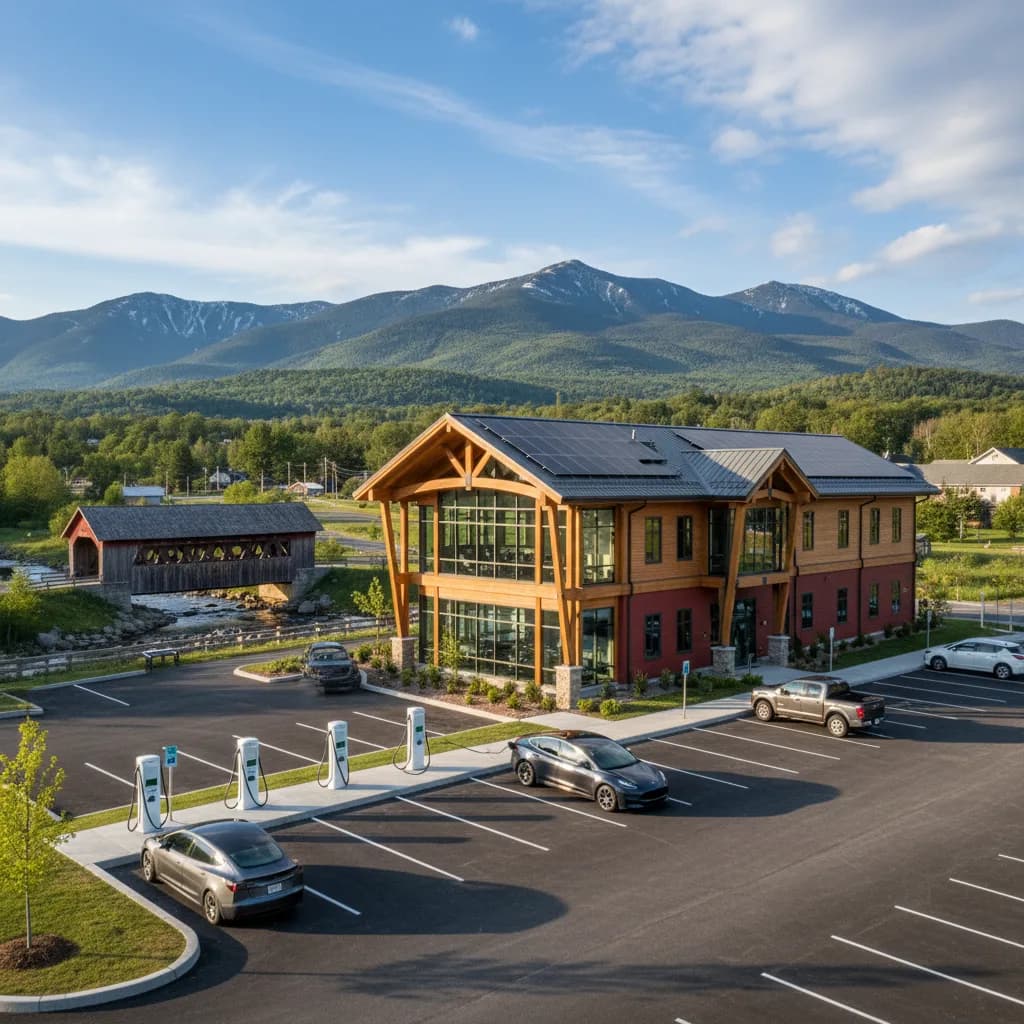
Vermont leads the country in EV adoption per capita. The commercial playbook stacks Drive Electric Vermont, GMP managed-charging revenue, VEC co-op rebates, Burlington Electric programs, and federal Section 30C — with cold-climate hardware spec'd for −22°F operation across the Green Mountains.
~5%
VT EV adoption per capita
GMP + VEC + BED
Utilities served
~$11/kW
GMP commercial demand
Jun 30 2026
Section 30C deadline
Vermont commercial EV stacks Drive Electric Vermont, GMP or VEC or Burlington Electric utility rebates, GMP managed-charging revenue on networked ports, and federal Section 30C — worth 30% with PWA on qualifying sites. Burlington and rural non-urban tracts make census-tract eligibility unusually broad. Hardware must be rated to −22°F with NEMA 4 enclosures.
Vermont is the smallest state in NuWatt's footprint — about 650,000 people — but it has the highest EV adoption per capita in the United States, around 5% of registered vehicles. That matters for commercial hosts because the consumer signal is loud. Employees expect workplace charging; ski-country tourists expect destination charging; multifamily renters in Burlington increasingly expect building charging. The commercial commercial opportunity is concentrated in four segments: Chittenden County workplaces (IBM / Global Foundries supply chain, insurance, healthcare), Burlington student housing and multifamily, town and ski-resort fleets, and ski-destination DCFC.
Vermont is one of the most utility-fragmented states in the country. Green Mountain Power serves roughly 75% of the state — Chittenden, Washington, Windham, most of Rutland and Windsor counties. Vermont Electric Cooperative is a member-owned co-op covering much of the Northeast Kingdom (Orleans, Essex, Caledonia, northern Lamoille).Burlington Electric Department is a municipal utility serving only the City of Burlington. A handful of smaller munis — Stowe, Hardwick, Morrisville, Ludlow, Northfield, Lyndonville — round out the map, each running their own approval and incentive processes.
The big unique signal is GMP's managed-charging program. GMP will pay commercial hosts of OCPP-networked L2 stations a monthly credit in exchange for the ability to shift charging away from coincident peak windows. For a 10-port workplace, this frequently adds $2,000–$6,000 per year of recurring revenue — a number almost no other US utility offers — and it materially shortens commercial EV payback.
Vermont's Renewable Energy Standard Tier III and Clean Heat Standard obligate utilities to help customers reduce fossil-fuel use — and EV charging infrastructure counts as an eligible measure. That is why GMP, VEC, and BED all run larger and more durable EV programs than you might expect in a state of 650,000 people. The funding is structurally built into the regulatory framework, not season-to-season grant cycles that could disappear.
Vermont has one of the most favorable census-tract maps in the country for Section 30C. On the low-income-community pathway, Burlington's Old North End, downtown, and South End qualify, as do all of Winooski, downtown St. Albans, Brattleboro's urban core, the city of Rutland, downtown Bennington, and Barre City. On the non-urban pathway, large portions of rural Vermont — the Northeast Kingdom in its entirety, the Green Mountain spine, much of Windham and Bennington Counties — qualify by virtue of being outside any Census-defined urbanized area. The practical implication is that most Vermont commercial sites outside of the wealthier Chittenden County suburbs (Shelburne, Charlotte, Williston) qualify for the 30C basis in one form or another.
Cold-climate-rated hardware at −22°F continuous, with OCPP networking for GMP managed-charging participation. All four clear Drive Electric Vermont and utility approved-products screening.
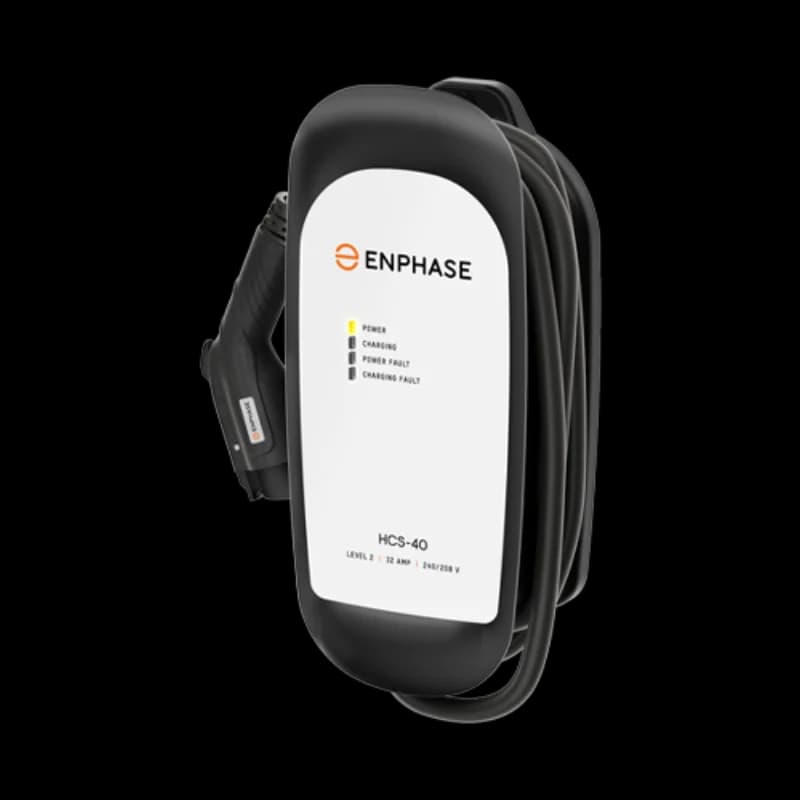
32A L2, UL Listed, NEMA 4X — reliable in cold-climate VEC and BED service areas
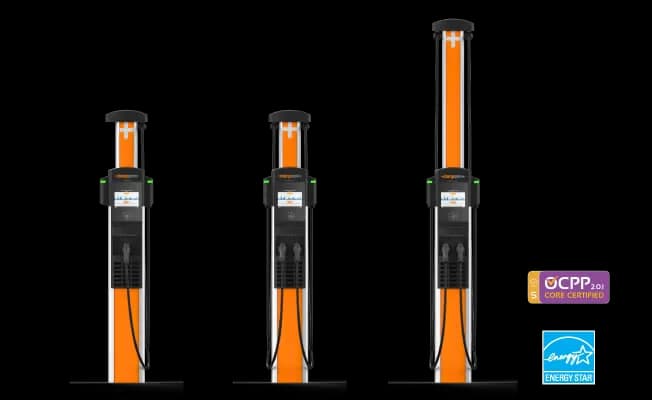
Networked dual-port L2 with OCPP — qualifies for GMP managed-charging revenue program
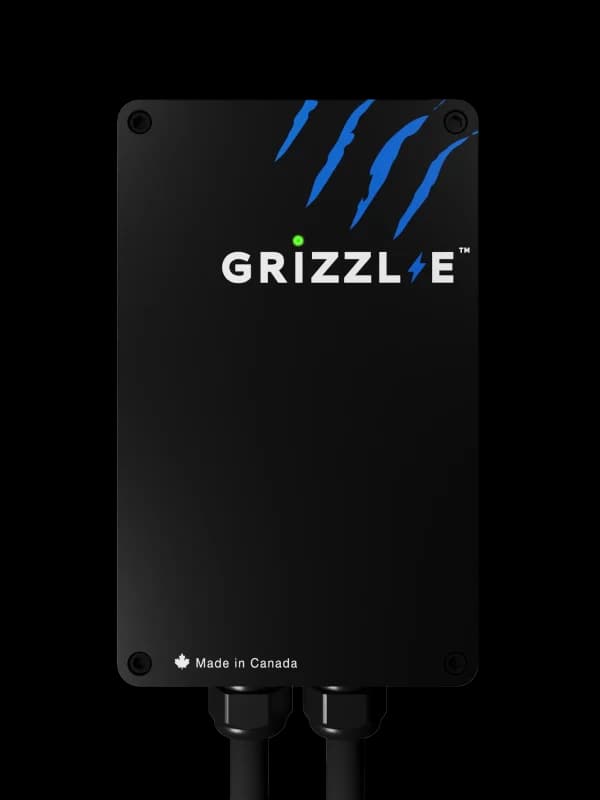
40A L2, full NEMA 4 enclosure rated to −22°F, simple, bulletproof — Killington, Stowe, Stratton staples
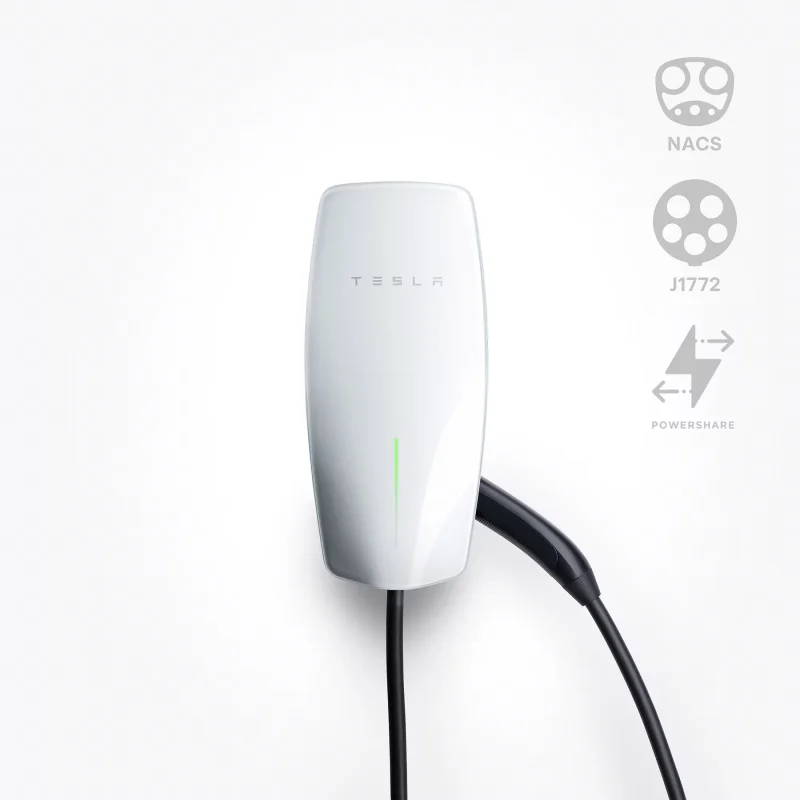
Native NACS plus J1772 adapter, 48A L2 — matches VT's ~5% EV adoption concentration
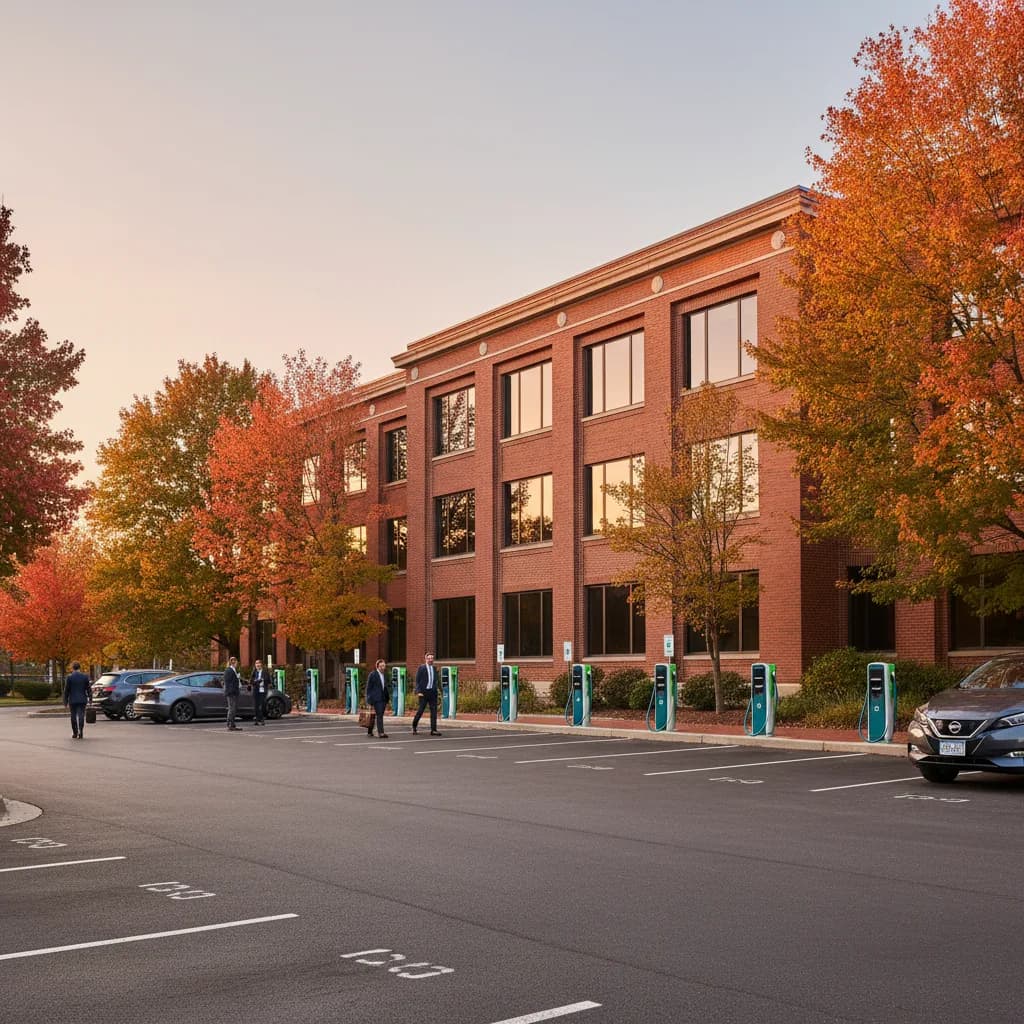
Vermont commercial EV projects cluster into four practical segments:
Vermont routinely hits −20°F in the Northeast Kingdom and occasionally colder on ski-country summits. NuWatt's Vermont hardware baseline is: continuous operation rated to −22°F (−30°C), NEMA 4 enclosures on every pedestal, cold-rated cable jackets that stay flexible below zero, heated DCFC cables at elevation, and snow-load-rated pedestal mounting. ClipperCreek HCS-40, Grizzl-E Classic, and ChargePoint CPF50 all clear that baseline; most consumer-grade Level 2 hardware does not.
Burlington, South Burlington, Winooski, Essex, and Colchester — the Chittenden County commercial cluster — generally turn around simple L2 workplace permits in 30–45 days. Rural towns with part-time selectboards and volunteer building officials occasionally stretch to 60–90 days, and historic districts (Woodstock, Manchester Village, Montpelier downtown) add preservation review. GMP, VEC, and BED design letters run in parallel with municipal review, not serially.
On bundle projects — solar carport plus EV — Act 250 review can come into play above certain acreage or parking-lot area thresholds. On chargers-alone, Act 250 almost never applies. NuWatt confirms Act 250 triggers before any commercial scope is finalized on projects that add structured parking.
Killington, Stowe, Sugarbush, Stratton, Mount Snow, Jay Peak, Mad River Glen, Okemo, Burke, and Smugglers' Notch all need −22°F continuous-rated hardware, heated DCFC cables for reliable dispensing at elevation, and snow-load-rated pedestal mounts. The non-urban Section 30C pathway applies to virtually every ski-country site.
Three utilities cover the vast majority of Vermont commercial sites. Green Mountain Power (GMP) serves roughly 75% of the state and runs the largest commercial EV program, with per-port rebates plus a unique managed-charging revenue share on OCPP-networked stations. Vermont Electric Cooperative (VEC) serves most of the Northeast Kingdom and runs a separate member-owned program. Burlington Electric Department (BED) — the municipal utility serving the City of Burlington — runs its own workplace, multifamily, and DCFC tiers. A handful of small municipal utilities round out the map.
Drive Electric Vermont
State-run commercial and public EV charger incentive portal administered by the VT DPS.
Green Mountain Power — EV Charging Programs
GMP commercial EV rebates plus managed-charging revenue program for OCPP-networked stations.
Vermont Electric Cooperative — EV programs
VEC member-owned co-op commercial EV rebates for Lamoille, Orleans, and Franklin County.
Burlington Electric Department — EV programs
BED workplace, DCFC, and multifamily EV charger rebates for the City of Burlington.
IRS Form 8911 & Section 30C
Alternative Fuel Vehicle Refueling Property Credit — 2026 filing instructions and PWA rules.
Argonne National Lab — 30C Eligible Census Tract Map
Official GEOID lookup for low-income and non-urban tracts qualifying for Section 30C.
VT Public Utility Commission — Clean Heat Standard
CHS and Renewable Energy Standard Tier III obligations that drive utility EV program funding.
Last verified by NuWatt Engineering Team on 2026-04-14. Utility program windows open and close without notice — confirm current Drive Electric Vermont, GMP, VEC, and BED availability before signing a proposal.
NuWatt handles GMP, VEC, and Burlington Electric make-ready coordination, Drive Electric Vermont applications, GMP managed-charging enrollment, Section 30C census-tract verification and PWA compliance, and turnkey install. Federal 30C deadline is June 30, 2026.