Loading NuWatt Energy...

We use your location to provide localized solar offers and incentives.
We serve MA, NH, CT, RI, ME, VT, NJ, PA, and TX
Loading NuWatt Energy...
NuWatt designs, installs, and manages solar, battery, heat pump, and EV charger systems across 9 states. One company, one warranty, one point of contact.
Get a Free Quote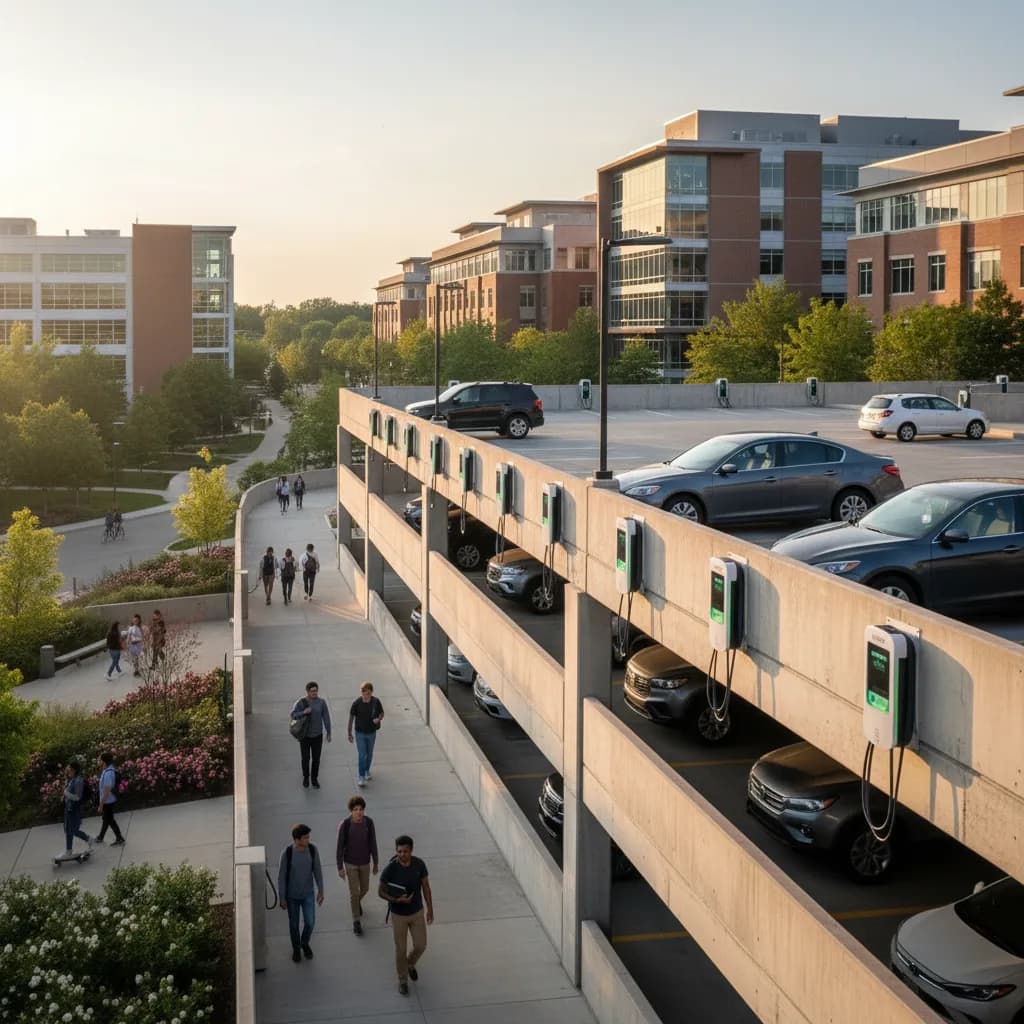
Parking-rich sites, grant-friendly nonprofits, master-plan engineering. State public-access grants cover up to 100% of cost for government sites.
$75K-$800K
Project Range
120-240 Days
Install Cycle
Expired Jun 30 2026
Section 30C
100% of Cost
MassEVIP Govt
Colleges fund EV charging by stacking three layers. State: MassEVIP Public Access, EnergizeCT, NJ PSE&G, or PA AFIG pays 50-100% of install. Utility: make-ready programs cover the trench and transformer side. Federal: the Section 30C credit (6% base or 30% with prevailing wage and apprenticeship, capped at $100K per port) expired June 30, 2026 — tax-exempt institutions can still claim it as a cash refund via elective pay on Form 990-T for chargers placed in service by that date. Campus projects run $75K-$800K over a 120-240 day cycle.
$75K–$800K
Project range
120–240 days
Delivery cycle
Direct Pay
501(c)(3) path
Parking-rich
Site type
Higher education EV funding is structured differently from corporate funding because most colleges and universities are tax-exempt, which means the traditional path of claiming a federal tax credit against corporate income does not apply.
The Inflation Reduction Act created elective pay, a mechanism that lets tax-exempt entities receive federal clean-energy credits as refundable cash payments from the IRS. For chargers placed in service by June 30, 2026 — when the Section 30C credit expired — 30C becomes a direct federal cash contribution, paid after filing.
Section 30C at 30% of cost with PWA, up to $100K per port — expired June 30, 2026. Chargers placed in service by that date are claimed as cash via elective pay on Form 990-T.
MassEVIP Public Access, EnergizeCT, PSE&G EV, JCP&L, PA AFIG, and TCEQ pay 50–100% of install cost for public-access ports.
Eversource, National Grid, UI, PSE&G, and others cover transformer, trench, and make-ready on the utility side of the meter.
Before the IRA, federal clean-energy credits were useless to nonprofits because they do not owe federal income tax. Elective pay under IRC 6417 changed that. Here is the exact four-step path for chargers placed in service by the June 30, 2026 expiry.
Complete IRS pre-filing registration before the tax year closes — required for every 501(c)(3) claiming direct pay under IRC 6417.
Chargers must have been placed in service by June 30, 2026, when Section 30C expired — keep the energization and acceptance-testing records.
Attach Form 8911 to Form 990-T with the credit calculation. Elect direct pay under section 6417.
IRS issues the payment as an ACH deposit or paper check — typically 6 to 12 weeks after processing.
Required filings:IRS pre-filing registration (before return), Form 990-T, Form 8911, and the section 6417 elective payment election. NuWatt's incentive team prepares the substantiation package for the institution's tax counsel.
Four units that cover community colleges, private universities, hospitals, and K-12 visitor lots. All approved for MassEVIP Public Access and EnergizeCT.
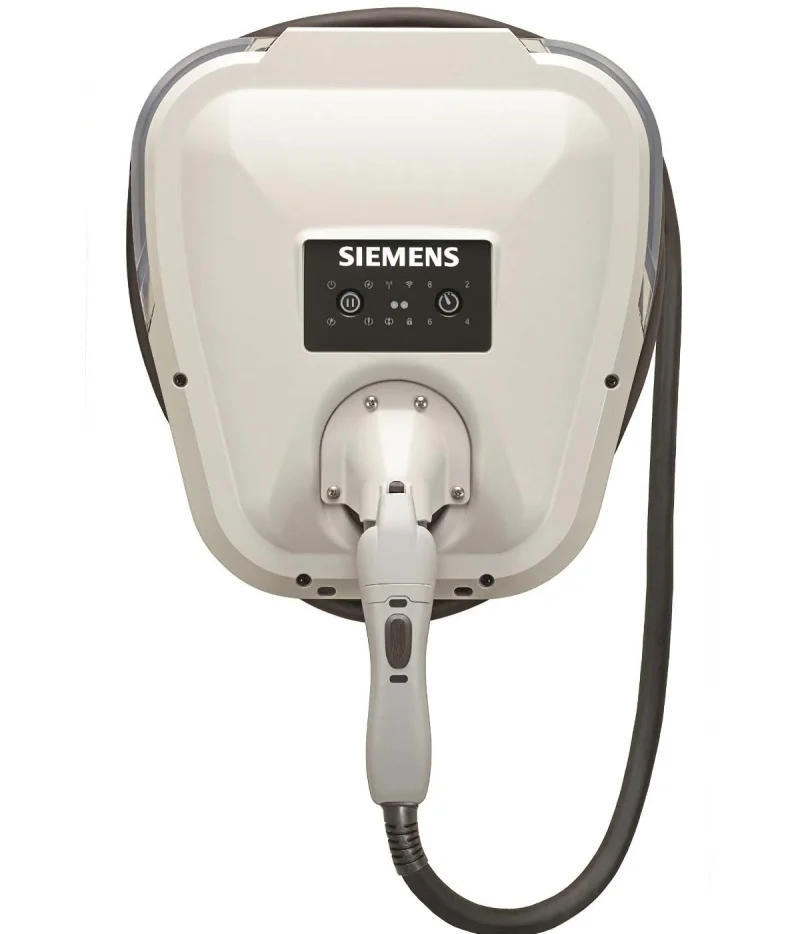
30–48A networked L2 built for continuous duty — favored for large university deployments
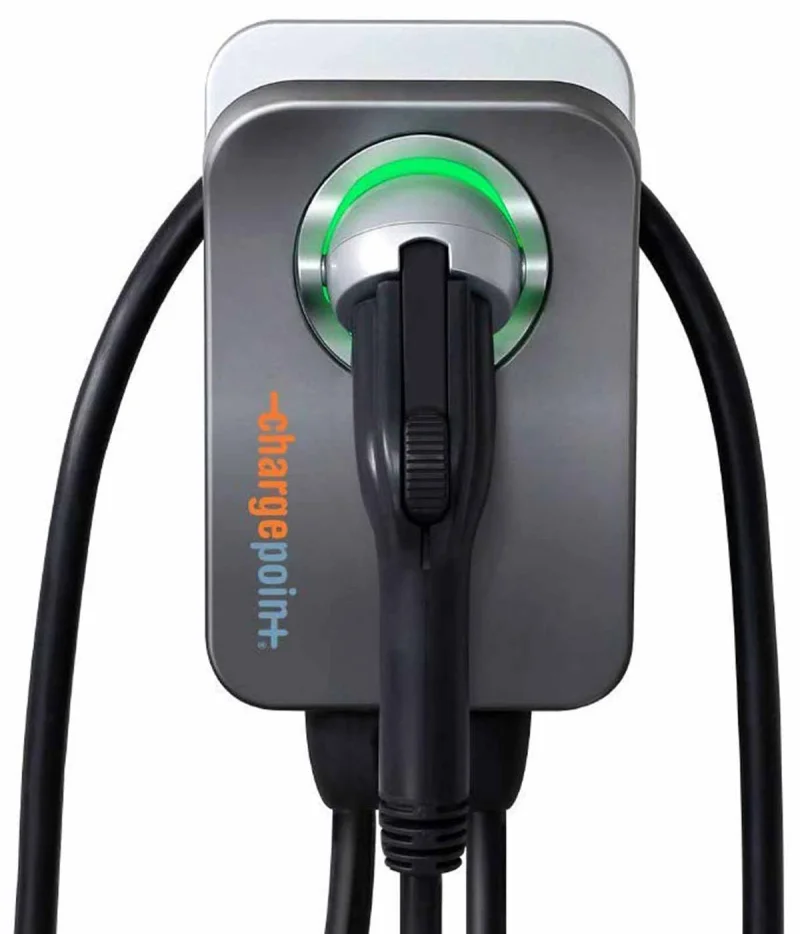
50A networked L2 with OCPP and session metering — suits K-12 and community college lots
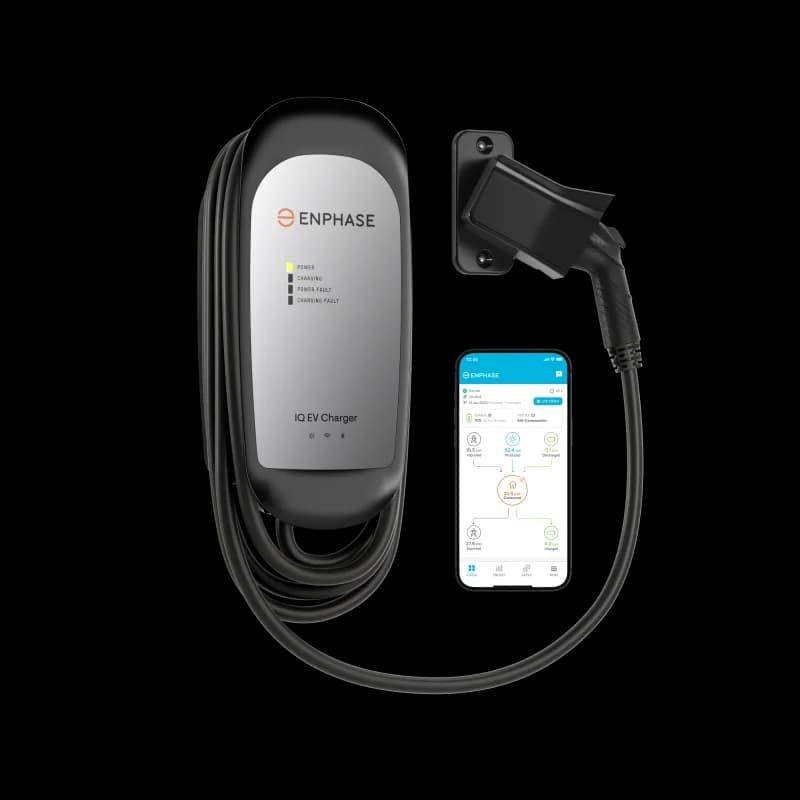
40A L2 that pairs with Enphase solar + storage — mission-driven medical and private college fit
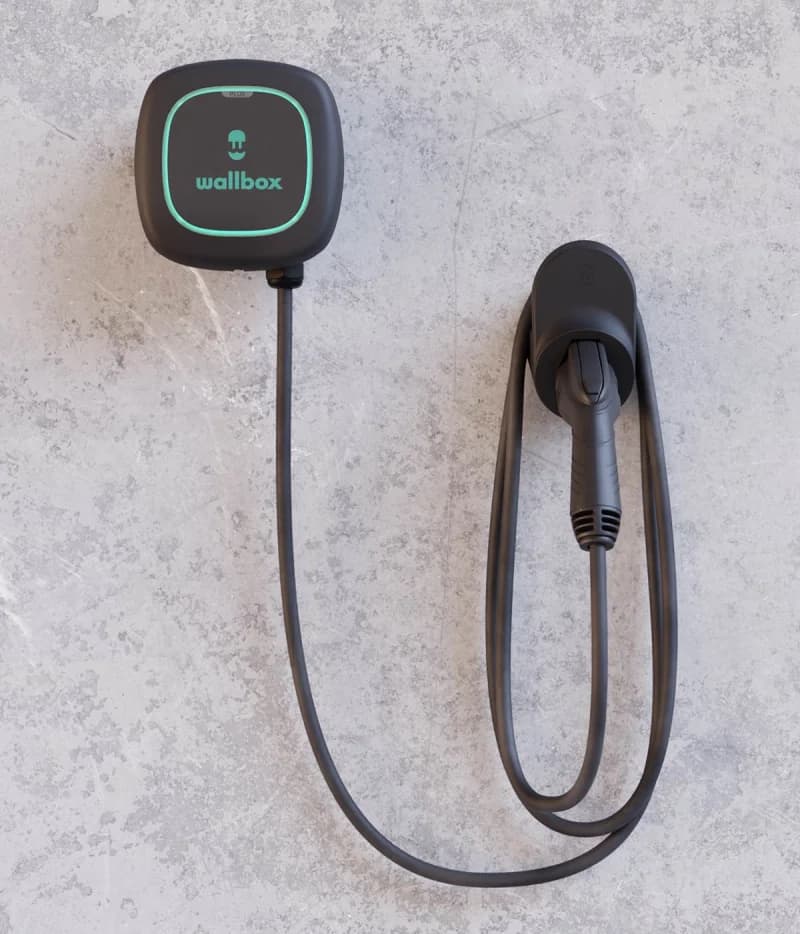
40–48A L2 with dynamic load management across up to 24 ports in a zone
Each sub-segment has a different procurement rhythm, port-count target, and persona. We tune the master plan to the type.
Typical scope
12–24 L2 ports
Persona
Facilities director + sustainability officer
Typical scope
30–80 L2 + 1–2 DCFC
Persona
VP Operations + board capital committee
Typical scope
6–12 L2 + bus depot chargers
Persona
Superintendent + business manager
Typical scope
15–40 L2 + ED DCFC
Persona
CFO + facilities engineering
Typical scope
20–60 L2 + visitor DCFC
Persona
System CFO + sustainability lead
There is no single right number. NuWatt uses four planning ratios as starting points for master-plan work.
The most common mistake in campus deployment is installing too many ports at a single cluster in year one and too few zones across the campus. Drivers strongly prefer charging near where they are spending time.
School districts can pair EPA Clean School Bus funding with state public-access grants — and, for chargers placed in service by June 30, 2026, Section 30C direct pay. NuWatt engineers the bus and visitor systems onto a single service entrance with shared switchgear.
That design saves money in two places: the utility only does one make-ready project instead of two, and the district captures both funding streams against one transformer upgrade.
Separate from Section 30C
Funds electric school buses and their depot chargers as a combined purchase, typically 100% of cost for high-need districts. Completely separate from Section 30C. Visitor-facing L2 ports placed in service by June 30, 2026 ran on the federal tax calendar via 30C direct pay. NuWatt tracks each CSB round and matches district eligibility against the current priority criteria.
All four stack with utility make-ready. Government eligibility flagged where it applies.
MassEVIP Public Access
80% private / 100% govt at $50K/address
Massachusetts guide
PSE&G + JCP&L EV
Govt-eligible make-ready line item
New Jersey guide
DEP AFIG — Govt Priority
$500K cap / $300K per app
Pennsylvania guide
EnergizeCT
50% of EVSE + 100% make-ready
Connecticut guide
Campus EV work rewards a vendor that understands both engineering and policy. The engineering side is coordination-heavy: multiple parking zones, phased capital, facilities directors who need to hit board deadlines.
The policy side is where NuWatt earns its keep. We write the IRS elective-pay substantiation package for chargers placed in service by the 30C expiry. We run the GEOID census tract check. We file the state grant applications. We sequence Section 30C claiming with state incentive disbursement so the institution never carries unfunded capital between reimbursements.
Colleges and universities fund EV charging through a three-layer stack. Layer one was federal: Section 30C paid 6% of cost at base rate or 30% with prevailing wage and apprenticeship compliance, capped at $100,000 per port — the credit expired June 30, 2026, and tax-exempt institutions can still claim it as a cash refund through the elective-pay election on Form 990-T only for chargers placed in service by that date. Layer two is state: programs like MassEVIP Public Access, EnergizeCT, and NJ PSE&G pay 50-100% of install cost per port for higher-education sites. Layer three is utility make-ready, where the local electric utility owns the trench and transformer side so the campus only pays for the charger hardware.
Yes — for chargers placed in service by June 30, 2026, when the Section 30C credit expired. Nonprofit hospitals, including 501(c)(3) medical centers, qualify for the Section 30C elective-pay election created by the Inflation Reduction Act. The hospital files Form 990-T along with the normal Form 8911 substantiation, elects direct pay, and receives the credit as a refundable cash payment from the IRS rather than as a reduction of tax liability. The credit amount is 6% of cost at the base rate or 30% with prevailing wage and apprenticeship compliance, capped at $100,000 per charging port, provided the hospital address sat inside an IRS-designated low-income or non-urban census tract at the placed-in-service date. Most suburban medical campuses qualified.
State public-access grants, utility make-ready, master-plan engineering — plus elective-pay claiming for chargers placed in service by the June 30, 2026 30C expiry.
IRS Form 8911
Alternative Fuel Vehicle Refueling Property Credit filing reference.
IRC Section 6417 — Elective Pay
Elective payment of applicable credits for tax-exempt entities.
IRS Notice 2024-20
Section 30C eligible census tract guidance.
EPA Clean School Bus Program
Bus and bus-charger funding, separate from Section 30C.
MassEVIP Public Access
Massachusetts DOER public-access charger program.
EnergizeCT EV Charging
Eversource and UI joint business EV program.
PSE&G EV Charging Program
NJBPU docket EO18101111 — government and higher-ed line item.
Pennsylvania DEP — AFIG
Alternative Fuels Incentive Grant (govt/edu priority category).
Last verified by NuWatt Incentive Team on 2026-04-14. This content is informational and not tax or legal advice. Institutions should consult tax counsel and confirm census tract eligibility, elective-pay registration status, and state grant terms before relying on these programs for a specific project.