Loading NuWatt Energy...

We use your location to provide localized solar offers and incentives.
We serve MA, NH, CT, RI, ME, VT, NJ, PA, and TX
Loading NuWatt Energy...
NuWatt designs, installs, and manages solar, battery, heat pump, and EV charger systems across 9 states. One company, one warranty, one point of contact.
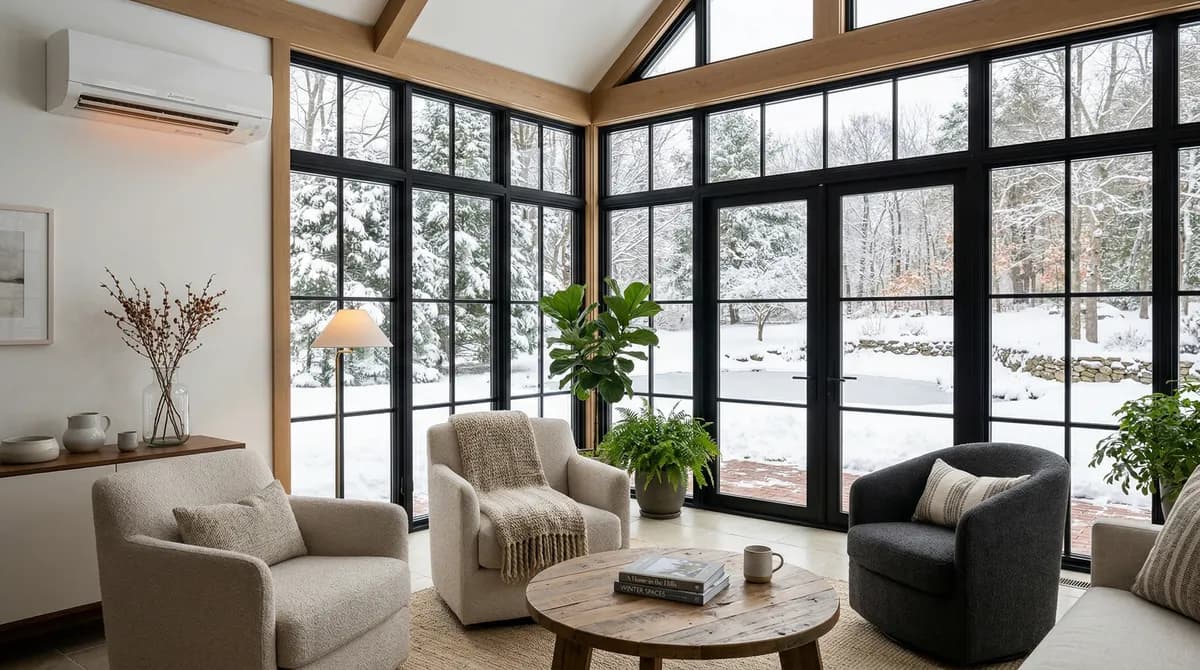
Get a Free QuoteMini-splits are the #1 HVAC choice for Massachusetts home additions. No ductwork extension. No overloading your existing system. Independent zone control for $3,500–$5,500 installed.
$3.5K-$5.5K
Mini-Split Installed
$2,500
Mass Save Rebate
Zero Ducts
No Ductwork Needed
To -13°F
Cold-Climate Rated
Most contractors will suggest tapping into your existing furnace or central AC. Here’s why that approach fails for home additions — and why independent mini-split zones are the smarter choice.
HVAC systems are designed for the home's original square footage and thermal load. Adding 200-700 sq ft overloads the compressor, shortens equipment life, and leaves both old and new spaces uncomfortable.
Extending ductwork to an addition means long runs through unconditioned attics, crawl spaces, or walls. Every 10 feet of duct in unconditioned space loses 3-5% of capacity through thermal transfer and leakage.
Most HVAC manufacturers explicitly void warranty coverage when ductwork is extended beyond the original design. Your 5-year-old furnace could lose remaining warranty protection.
Running ducts to an addition often requires cutting through joists, framing chases, and adding trunk lines. This structural work can cost $3,000-$6,000+ — more than a dedicated mini-split.
When you tap into existing ductwork, the farthest rooms in the original home get less airflow. You solve the addition but create comfort problems elsewhere.
Only if ALL conditions are met: the addition shares a wall with existing ductwork, your system has documented spare capacity (check original Manual J), the duct run is under 15 feet through conditioned space, and the addition is under 200 sq ft. In practice, fewer than 10% of MA additions meet all four criteria.
Every type of home addition has different thermal characteristics. Glass-heavy sunrooms, above-garage rooms, and in-law apartments each need different BTU capacity and installation approaches.
Glass-heavy walls need higher BTU per sq ft due to heat loss
Quiet operation critical for bedrooms — select <20 dB models
Electronics add heat load — size conservatively for cooling
Independent zone control essential for separate occupant comfort
Insulate garage ceiling to R-30+ BEFORE installing heat pump
Important: These are general guidelines. Glass-heavy sunrooms need ~50% more BTU/sq ft than conventional rooms. Always have an installer perform a Manual J load calculation for your specific addition.
Converting a 3-season porch or sunroom to year-round living space is one of the highest-ROI home projects in Massachusetts. A mini-split heat pump is the final piece — once insulation and windows are upgraded, the heat pump provides both winter heating and summer cooling from a single unit.
Insulate walls and ceiling (R-13 walls, R-30 ceiling)
Upgrade to double-pane or triple-pane windows
Install cold-climate mini-split heat pump
Electrical: dedicated 240V circuit + permit
Total Conversion Cost
$9,000–$16,000
After Mass Save rebate ($2,500): $6,500–$13,500
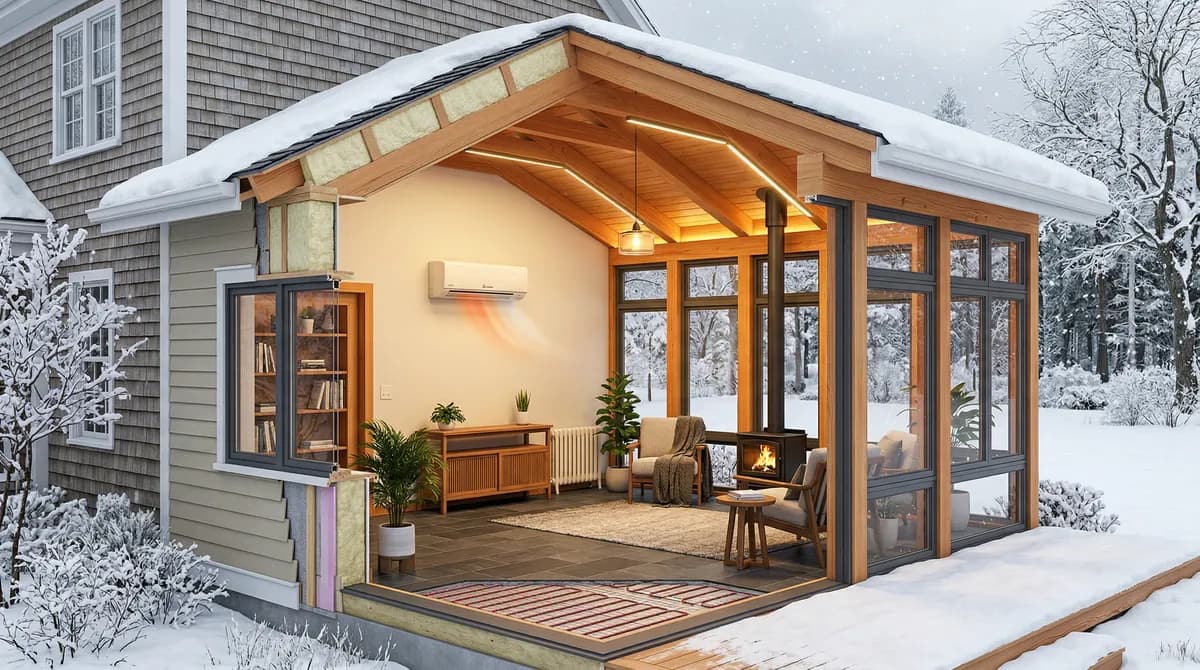
Sunrooms with large glass areas face extreme thermal swings that no other HVAC option handles as well as a heat pump.
Standard rooms need ~25 BTU per sq ft. Glass-heavy sunrooms need 35-40 BTU per sq ftdue to the higher thermal transfer rate. A 200 sq ft sunroom with three glass walls needs 7,000-8,000 BTU minimum — round up to a 9,000 BTU unit. South-facing sunrooms with single-pane glass may need a 12,000 BTU unit for the same square footage.
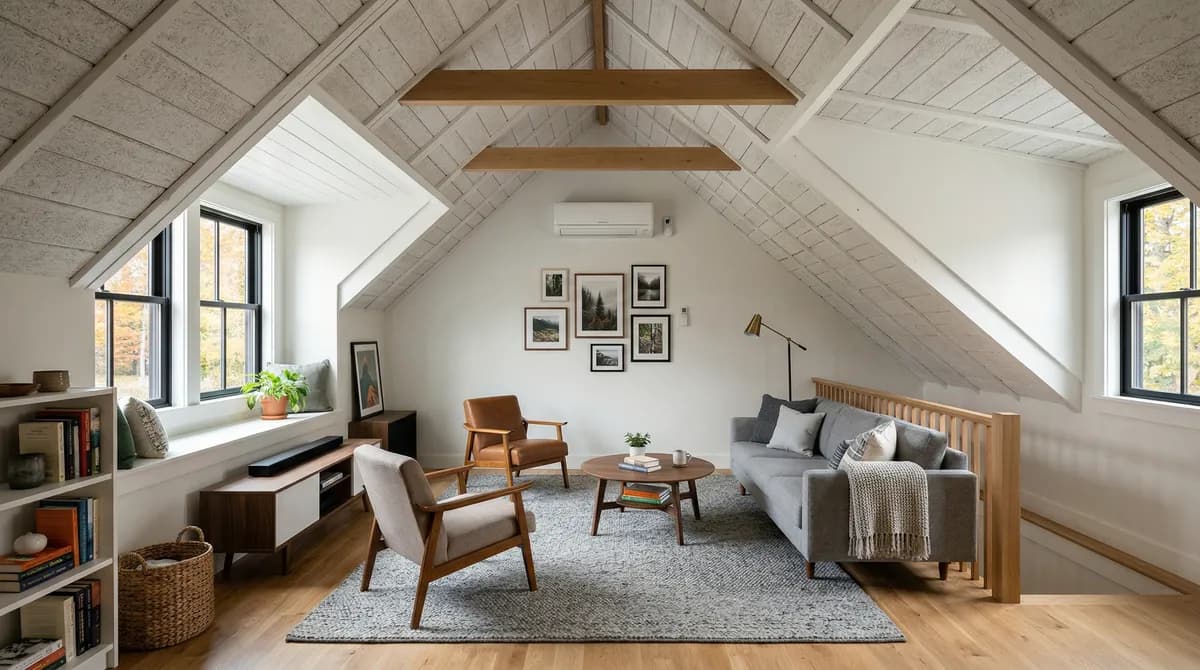
Rooms above garages are the most notoriously uncomfortable spaces in Massachusetts homes — scorching in summer, freezing in winter. The unheated garage below acts as an outdoor-temperature buffer, and heat escapes through the roof above.
Insulate garage ceiling (below the room) to R-30+
$1,500-$3,000This is non-negotiable. Without it, the floor of the bonus room radiates cold in winter.
Air-seal all penetrations (wiring, plumbing, HVAC chases)
$300-$800Garage fumes, exhaust, and cold air seep through every gap.
Install 12K-18K BTU cold-climate mini-split
$4,000-$5,500Higher BTU than a same-size room because of the thermal exposure on 5 surfaces.
Total above-garage fix:$5,800–$9,300. After Mass Save insulation + heat pump rebates, expect $3,000–$6,500 net cost.
Massachusetts has seen a surge in in-law apartment additions as housing costs soar. A dedicated mini-split zone gives each household independent comfort control — the single most important feature for multi-generational harmony.
Grandma prefers 74°F. You prefer 68°F. Separate zones eliminate thermostat wars. Each occupant controls their own comfort without affecting the main home.
The in-law suite can heat/cool on its own schedule. No wasted energy heating an empty apartment during the day. Set-back schedules save 15-20% on operating costs.
If the in-law apartment is eventually rented, having its own dedicated HVAC system simplifies utility billing and gives tenants the control they expect.
Mini-splits installed in home additions qualify for Mass Save rebates when the unit is cold-climate rated and installed by a participating contractor.
Note: The federal 25C energy efficiency tax credit expired December 31, 2025. There is no federal tax credit for residential heat pumps in 2026. Mass Save rebates are the primary incentive available for Massachusetts homeowners.
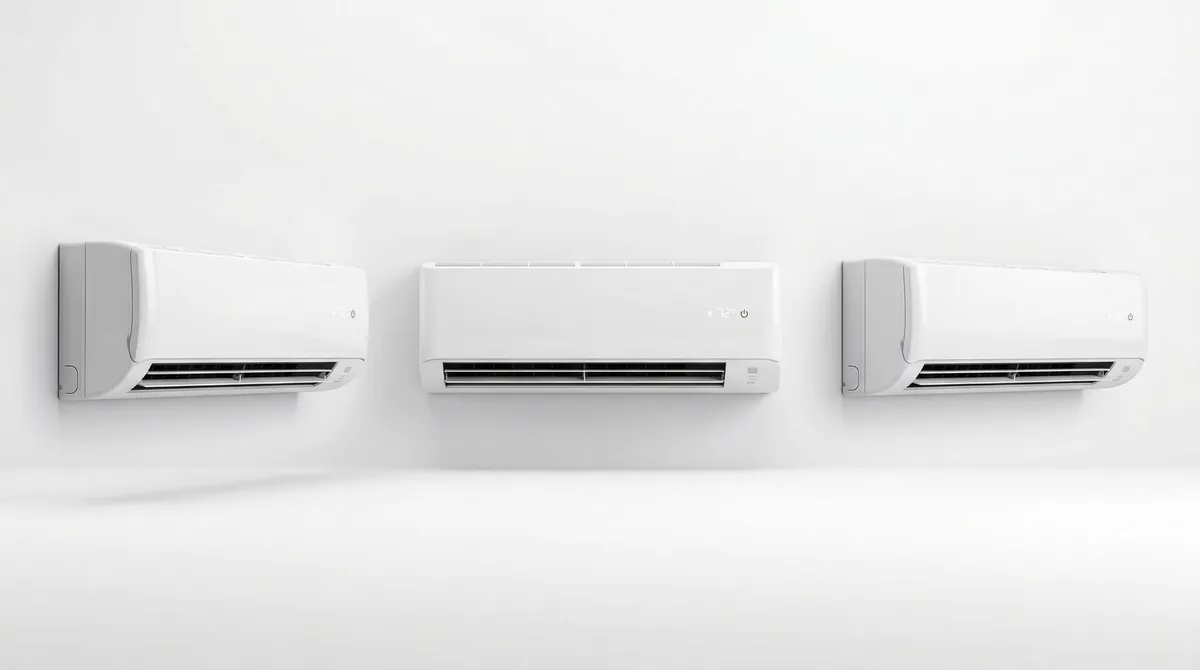
These models combine cold-climate performance, quiet operation, and Mass Save rebate eligibility — the key requirements for addition installations.
| Model | BTU | SEER2 | Noise | Min Temp | Best For | Mass Save | Price |
|---|---|---|---|---|---|---|---|
| Mitsubishi MSZ-FH09NA | 9,000 BTU | 33.1 SEER2 | 19 dB | -13°F | Home offices, small sunrooms | $3,500-$4,500 | |
| Mitsubishi MSZ-FH12NA | 12,000 BTU | 33.1 SEER2 | 19 dB | -13°F | Sunrooms, bedroom suites, bonus rooms | $4,000-$5,000 | |
| Fujitsu 9RLS3YH | 9,000 BTU | 33.0 SEER2 | 18 dB | -15°F | Compact spaces, bedrooms (ultra-quiet) | $3,500-$4,500 | |
| LG Art Cool Gallery | 9,000-12,000 BTU | 27.5 SEER2 | 22 dB | -13°F | Designer living spaces, visible installations | $4,000-$5,500 | |
| Mitsubishi MSZ-FH15NA | 15,000 BTU | 30.5 SEER2 | 20 dB | -13°F | In-law apartments, large above-garage rooms | $4,500-$5,500 |
Fujitsu 9RLS3YH at 18 dB — quieter than a whisper. Ideal for bedrooms and home offices where noise sensitivity is highest.
Mitsubishi MSZ-FH12NA — 33.1 SEER2, 19 dB, -13°F rated. The go-to model for most addition types. Mass Save qualified.
LG Art Cool Gallery — displays custom picture frames. For visible living spaces where aesthetics matter. Note: does not qualify for Mass Save.
Home additions and mini-split installations have separate permitting requirements in Massachusetts. Here’s what you need.
Stretch Energy Code Tip:Over 300 MA municipalities have adopted the Stretch or Net Zero Stretch Energy Code. New additions in these towns must meet enhanced insulation and efficiency standards — which actually makes a mini-split the natural HVAC choice since it exceeds code requirements for heating efficiency.
The numbers make the decision clear. A mini-split costs less upfront, performs better, and protects your existing system.
Independent zone control
Both heating AND cooling
Zero impact on existing system
Higher efficiency (33+ SEER2)
No independent zone control
Heating only (if furnace) or cooling only (if AC)
Overloads existing system
May void system warranty
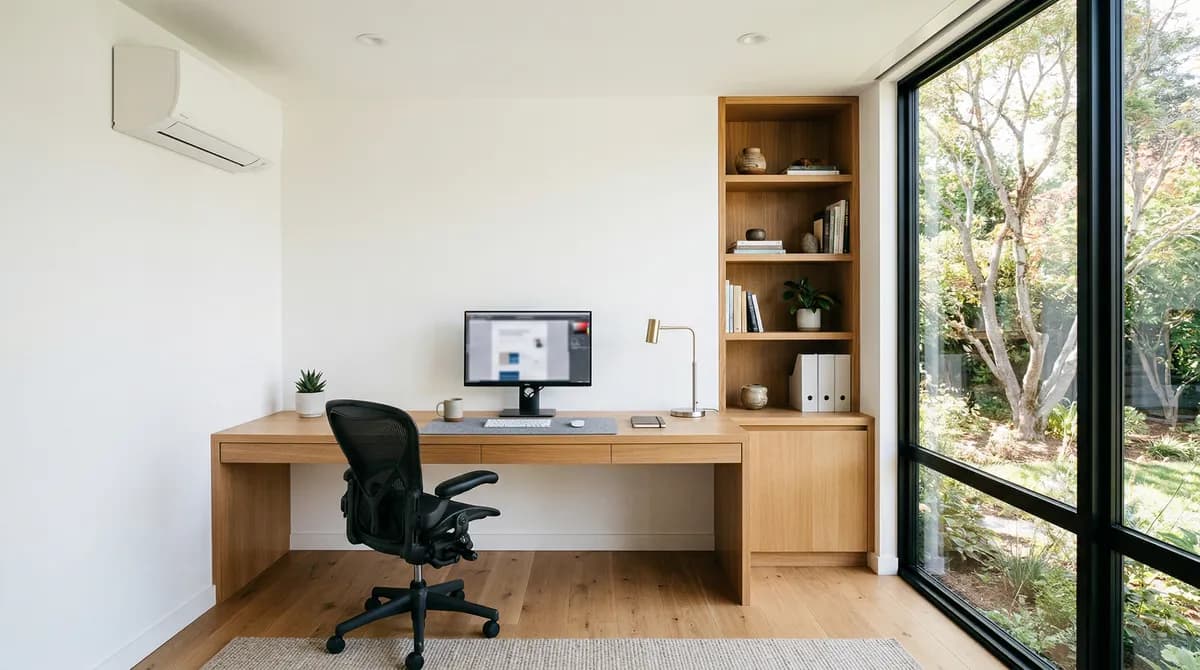
Remote work is permanent for millions of Massachusetts residents. A dedicated home office addition with its own climate control is no longer a luxury — it’s a productivity requirement and a home value booster.
Size
100-200 sq ft (6K-9K BTU)Most home offices are the smallest addition type — a 9K BTU unit is ample
Why Mini-Split
Precision Temperature + QuietElectronics generate heat; you need cooling even in winter. Mini-splits at 18-19 dB are quieter than your laptop fan
Tax Benefit
Home Office Deduction (IRS)If you use the office exclusively for work, the HVAC cost may be partially deductible as a business expense — consult your CPA
Everything Massachusetts homeowners need to know about heat pumps for additions, sunrooms, and new living spaces.
Full Mass Save rebate guide
Which setup is right for your addition?
Manual J load calculations explained
When ducted mini-splits make sense
Outbuilding and detached space HVAC
Discreet ceiling-mounted options
Insulation rebates for additions
Code requirements for new additions
Top brands for Massachusetts climate
Licensed Massachusetts HVAC installers. Mass Save participating contractors.