Loading NuWatt Energy...

We use your location to provide localized solar offers and incentives.
We serve MA, NH, CT, RI, ME, VT, NJ, PA, and TX
Loading NuWatt Energy...
NuWatt designs, installs, and manages solar, battery, heat pump, and EV charger systems across 9 states. One company, one warranty, one point of contact.
Get a Free QuoteWhat installation really costs, real charging speeds, and side-by-side comparisons of every major Level 2 home charger. Plus the state and utility rebates that can cut your install cost by $200–$1,500.
Our four best picks for 2026 across the most common buyer categories.
50A output, plug-in or hardwired, top-rated app with Alexa & Google Assistant
Native NACS connector, sleek design, power sharing for multi-Tesla homes
48A smart charger under $450 with ENERGY STAR, solar integration, and app control
Compact design, Power Boost load management, power sharing for multi-EV homes
Every charger ranked by our editorial score. Click any card for the full review with charging speed tables and compatibility ratings.
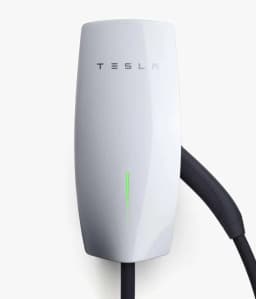
Tesla
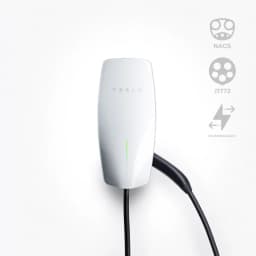
Tesla
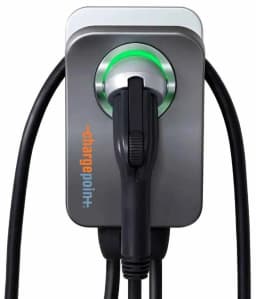
ChargePoint

Emporia
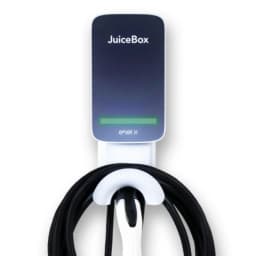
Enel X
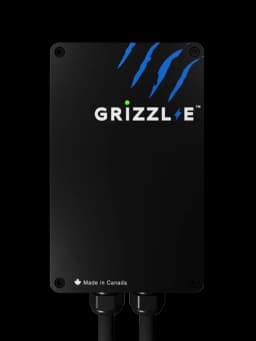
Grizzl-E
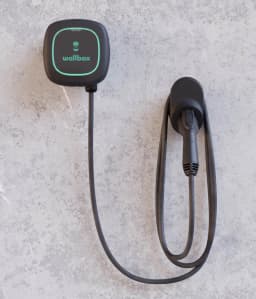
Wallbox
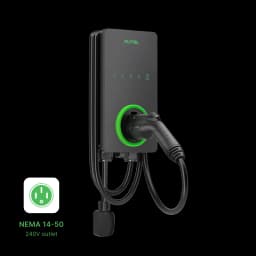
Autel
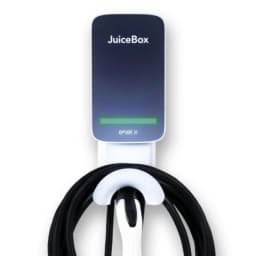
Enel X
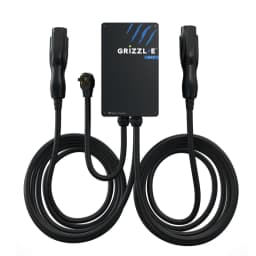
Grizzl-E
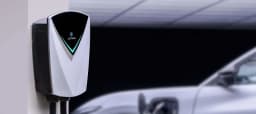
Lectron
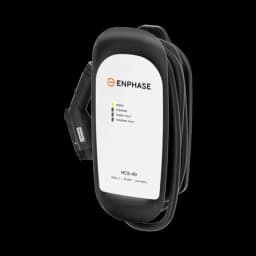
Clipper Creek
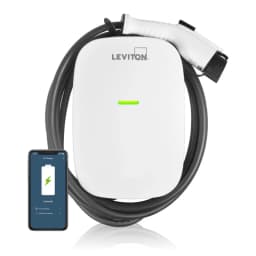
Leviton
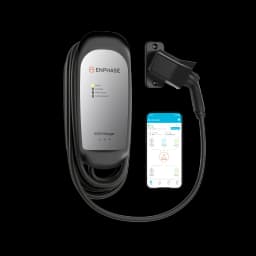
Enphase
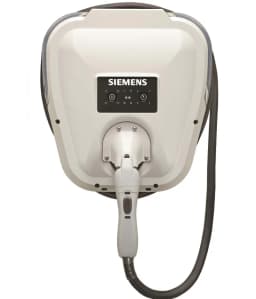
Siemens

Blink
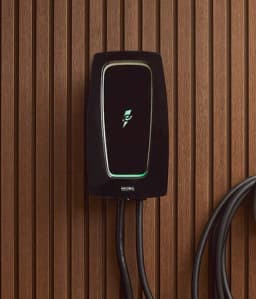
Electrify Home
TurnOnGreen
Select your vehicle to see personalized charger rankings, real charging speeds, and compatibility scores.
Everything you need to know before purchasing a home EV charger.
The most important factors are amperage (which determines charging speed), connector type (J1772 for universal compatibility or NACS for Tesla), cord length (at least 20 ft for most garages), and smart features (app control, scheduling, energy tracking). A 48-amp charger delivers about 38 miles of range per hour and is the sweet spot for most EV owners.
Most home EV charger installations take 2–4 hours and cost $500–$1,500for labor. The main variable is the distance from your breaker panel to the charger location. About 60% of homes with a 200-amp panel can accommodate a Level 2 charger without upgrades. Older 100-amp panels may need an upgrade ($1,500–$3,000) or a load-sharing device.
Plug-in chargers (NEMA 14-50) are easier to install and relocate. Hardwired chargers offer a cleaner look and are required for some models like the Tesla Wall Connector. A licensed electrician should handle all installations to ensure code compliance.
Detailed spec-by-spec comparisons of the most popular charger matchups. See charging speeds, prices, and features side by side.
The ChargePoint Home Flex is our top overall pick for 2026. It delivers up to 50 amps (12 kW), works with every EV via J1772, supports both plug-in and hardwired installation, and has an excellent app with Alexa and Google Assistant integration.
Home EV chargers range from $329 for basic Level 1/2 units to $1,299 for premium smart chargers with solar integration. Most popular 48-amp smart chargers cost $449-$699. Installation adds $500-$1,500 depending on your electrical setup.
Yes. Level 2 chargers require a 240-volt circuit, typically a NEMA 14-50 outlet (similar to an electric dryer outlet) on a 50-amp or 60-amp breaker. Some chargers can also be hardwired directly to the breaker panel.
Level 2 chargers deliver 25-44 miles of range per hour compared to just 3-5 miles per hour from a standard 120V outlet. Most EVs can go from 20% to 80% in 3-5 hours with Level 2, versus 24+ hours on a regular outlet.
The federal Section 30C credit — which covered 30% of equipment and installation costs, up to $1,000 for residential installations — expired June 30, 2026 and is no longer available. There is currently no federal tax credit for home EV chargers. However, many states and utilities still offer rebates of $200-$1,500 for Level 2 charger installations.
Answer a few quick questions about your EV, electrical setup, and priorities. We’ll recommend the best charger and show you available incentives.