Loading NuWatt Energy...

We use your location to provide localized solar offers and incentives.
We serve MA, NH, CT, RI, ME, VT, NJ, PA, and TX
Loading NuWatt Energy...
NuWatt designs, installs, and manages solar, battery, heat pump, and EV charger systems across 9 states. One company, one warranty, one point of contact.
Get a Free QuoteGovernor Murphy signed S4530/A5768 on August 22, 2025, authorizing 3,000 MW of new community solar capacity — enough to power roughly 1 million NJ homes. Registration opened October 1, 2025. If you rent, own a condo, or have a shaded roof, community solar lets you save on electricity without installing panels.
S4530 creates 3,000 MW of community solar capacity — about 4x the previous CSEP program. Registration is open now through December 31, 2029 (or until subscribed). At least 51% of subscribers must be LMI households. Subscribers get a minimum 25% bill credit discount (LMI) or 20% (standard). No panels, no installation, no upfront cost. Utility allocations: PSE&G 1,555 MW, JCP&L 778 MW, ACE 324 MW, Rockland 45 MW. The ADI developer rate was reduced from $80 to $60/MWh in March 2026.
S4530 (Senate) and its companion bill A5768 (Assembly) represent the largest expansion of community solar in New Jersey's history. Signed by Governor Murphy on August 22, 2025, the law authorizes 3,000 MW of new community solar capacity on top of the existing CSEP program. This is roughly four times the size of the original program and enough to serve approximately 1 million NJ households.
The law builds on New Jersey's successful Community Solar Energy Program (CSEP), which was made permanent in 2023 and has allocated over 750 MW across previous rounds. S4530 dramatically scales the program while maintaining the core consumer protections: no upfront costs, consolidated utility billing, minimum bill credit discounts, and the 51% LMI subscriber requirement.
Registration for the new 3,000 MW capacity opened on October 1, 2025 and will remain open until the capacity is fully subscribed or December 31, 2029, whichever comes first. Projects can register and begin serving subscribers on a rolling basis — there is no application window or lottery.
The 3,000 MW is allocated across NJ's four electric utilities based on their service territory and customer base. Your subscription must be with a project in your utility territory.
1,555 MW
778 MW
324 MW
45 MW
| Utility | S4530 Allocation |
|---|---|
| PSE&G | 1,555 MW |
| JCP&L | 778 MW |
| ACE | 324 MW |
| Rockland Electric | 45 MW |
| Total | 3,000 MW |
The ADI (Administratively Determined Incentive) rate for community solar projects was reduced from $80/MWh to $60/MWheffective March 2026, per the BPU's EY26 CSEP order. This rate is what project developers receive as an incentive — it is not what subscribers pay.
The rate reduction reflects declining project development costs as the community solar market matures. Developers benefit from economies of scale, improved supply chains, and accumulated experience. The lower ADI rate helps the 3,000 MW program stay within budget while maintaining subscriber protections.
Important: Subscriber bill credit discounts are separate from the ADI developer rate. The minimum 20% bill credit discount (25% for LMI) is set by statute and is not affected by the ADI rate change. Your savings as a subscriber remain protected regardless of the developer incentive rate.
Previous ADI Rate
$80/MWh
Through February 2026
New ADI Rate
$60/MWh
Effective March 2026
ADI rate vs subscriber savings: The ADI rate is a developer incentive — it compensates project developers for building community solar farms. Your bill credit discount (20-25% minimum) is set by law and applies regardless of the ADI rate. A lower ADI rate means the program can support more total MW within budget, which means more projects and more available subscriptions for NJ residents.
Community solar is designed for the millions of NJ residents who cannot install rooftop panels. If any of these apply to you, community solar under S4530 is worth exploring.
You do not own your roof, but you can subscribe to a community solar farm and save 20-25%+ on your electricity bill.
HOA restrictions or shared roofs make rooftop solar difficult. Community solar has no building or roof requirements.
Trees, dormers, or north-facing roofs reduce rooftop solar efficiency. Community solar farms are sited for optimal production.
LMI households get priority enrollment and a 25% minimum bill credit discount — no credit check, no upfront cost.
Check your electric bill to confirm whether you are served by PSE&G, JCP&L, ACE, or Rockland Electric. Your subscription must be with a project in your same utility territory.
Search the NJ BPU CSEP registry for community solar projects in your utility territory, or work with a community solar provider. NuWatt can help match you with available projects.
Review and sign the subscription agreement. Typical terms are 12-24 months. There is no upfront cost, no deposit, and LMI subscribers face no early termination fees.
Once enrolled, your community solar bill credits appear automatically on your regular utility bill. No separate invoices — everything is consolidated through your utility.
What to expect on your bill: Once enrolled, you will see a line item credit on your regular utility bill for the community solar generation allocated to your subscription. The credit reduces your total bill by the guaranteed minimum discount (20-25%). You continue to pay your utility for any remaining usage. There is only one bill — no separate payments to the community solar provider.
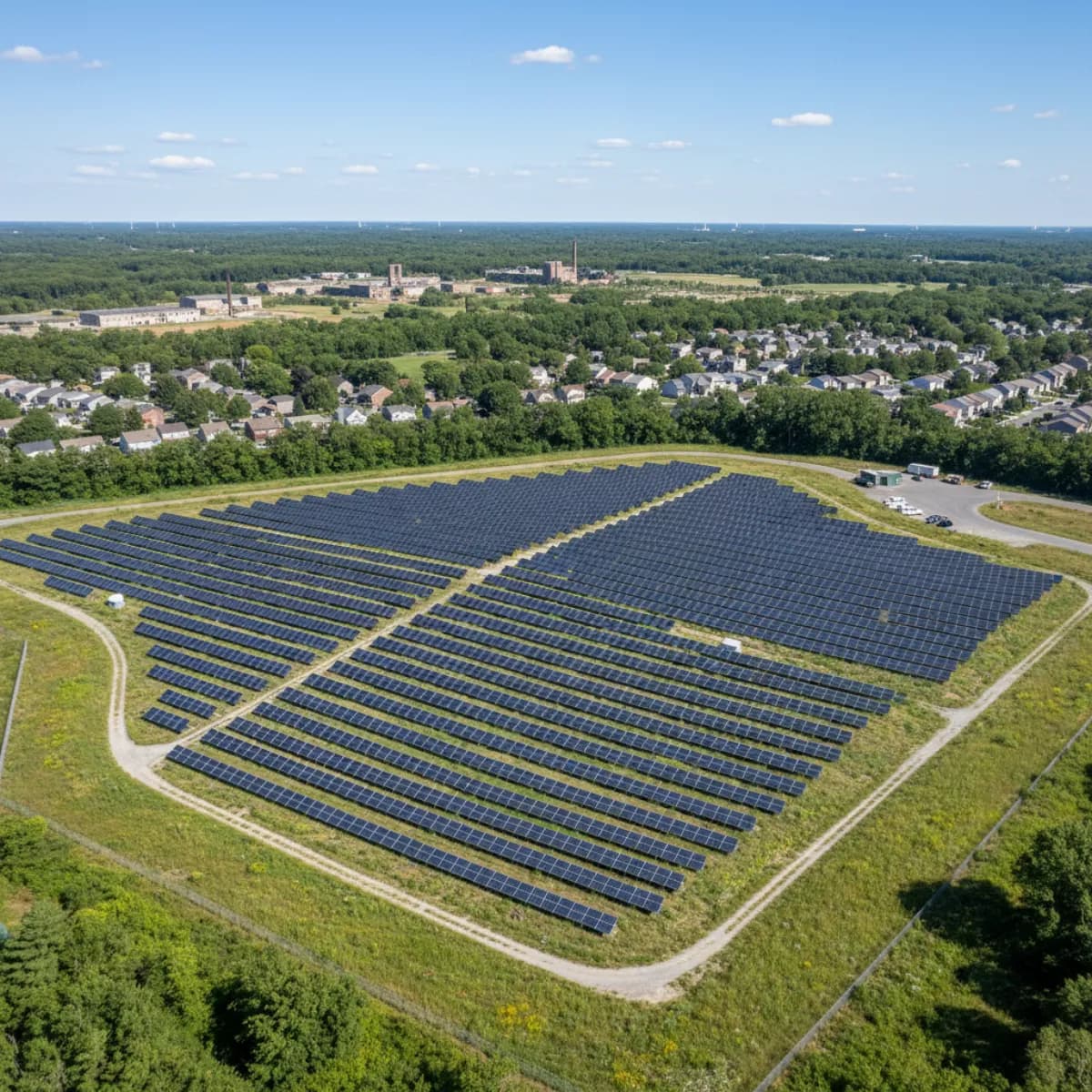
S4530 carves out 300 MW of the total 3,000 MW specifically for community solar projects built on landfills and brownfield sites. This is one of the largest state-level brownfield solar set-asides in the country.
New Jersey has over 20,000 known contaminated sites — many of them former industrial properties, gas stations, and landfills that are difficult to develop for other uses. Building community solar on these sites provides dual benefits: generating clean energy for NJ residents while putting otherwise unproductive contaminated land to work.
Brownfield and landfill projects may qualify for additional ADI incentive adders and receive priority in the registration queue. Projects must meet NJ DEP remediation standards and demonstrate compatibility with ongoing site management requirements.
Reserved Capacity
300 MW
10% of total 3,000 MW
NJ Contaminated Sites
20,000+
Potential project locations statewide
Priority Status
Yes
Queue priority + potential ADI adders
S4530 (Senate) and its companion A5768 (Assembly) were signed into law on August 22, 2025. The law authorizes 3,000 MW of new community solar capacity in New Jersey — approximately 4x the size of the existing CSEP program. Registration opened October 1, 2025 and remains open until the capacity is fully subscribed or December 31, 2029, whichever comes first. At least 51% of subscribers must be low-to-moderate income (LMI) households.
Under S4530, subscribers receive a minimum bill credit discount of 20% for standard customers and 25% for LMI-eligible households. The exact savings depend on your utility, subscription size, and the specific project. For a typical NJ household using 8,000-10,000 kWh/year, community solar can save $200-$500/year on electricity costs with zero upfront investment.
The 3,000 MW is allocated based on utility service territory size: PSE&G receives 1,555 MW (the largest share, serving north and central NJ), JCP&L receives 778 MW (central and western NJ), ACE receives 324 MW (southern NJ), and Rockland Electric receives 45 MW (northwestern Bergen County). Your community solar subscription must be with a project in your utility territory.
Yes. Community solar is specifically designed for people who cannot install rooftop panels — renters, condo owners, homeowners with shaded roofs, and anyone in a building they do not own. You subscribe to a share of a community solar farm located elsewhere in your utility territory. There is no installation, no equipment, and no roof modifications required.
The ADI (Administratively Determined Incentive) rate for community solar projects was reduced from $80/MWh to $60/MWh effective March 2026, as set by the BPU's EY26 CSEP order. This rate is paid to project developers, not to subscribers. The reduction reflects lower project costs as the market matures. Subscriber bill credit discounts are separate and remain at 20-25% minimum.
S4530 reserves 300 MW of the 3,000 MW total specifically for community solar projects built on landfills and brownfield sites. These projects receive priority in the registration queue and may qualify for additional ADI incentive adders. This provision encourages productive reuse of contaminated land while generating clean energy.
To subscribe: (1) Verify your utility territory (PSE&G, JCP&L, ACE, or Rockland). (2) Find a community solar project in your territory through the NJ BPU CSEP registry or a community solar provider. (3) Sign a subscription agreement (typically 12-24 months, no upfront cost). (4) Your bill credits appear automatically on your utility bill. You can cancel with no early termination fee in most cases.
If you move within the same utility territory (e.g., staying within PSE&G service area), you can typically transfer your subscription to your new address. If you move to a different utility territory or out of NJ, you would need to cancel your current subscription and sign up for a new project in your new territory. Most S4530 subscriptions have no early termination fees.
NJ's 3,000 MW community solar expansion means more projects, more availability, and guaranteed bill credit discounts. Whether you rent, own a condo, or have a shaded roof, community solar gives you access to clean energy savings.