Loading NuWatt Energy...

We use your location to provide localized solar offers and incentives.
We serve MA, NH, CT, RI, ME, VT, NJ, PA, and TX
Loading NuWatt Energy...
NuWatt designs, installs, and manages solar, battery, heat pump, and EV charger systems across 9 states. One company, one warranty, one point of contact.
Get a Free Quote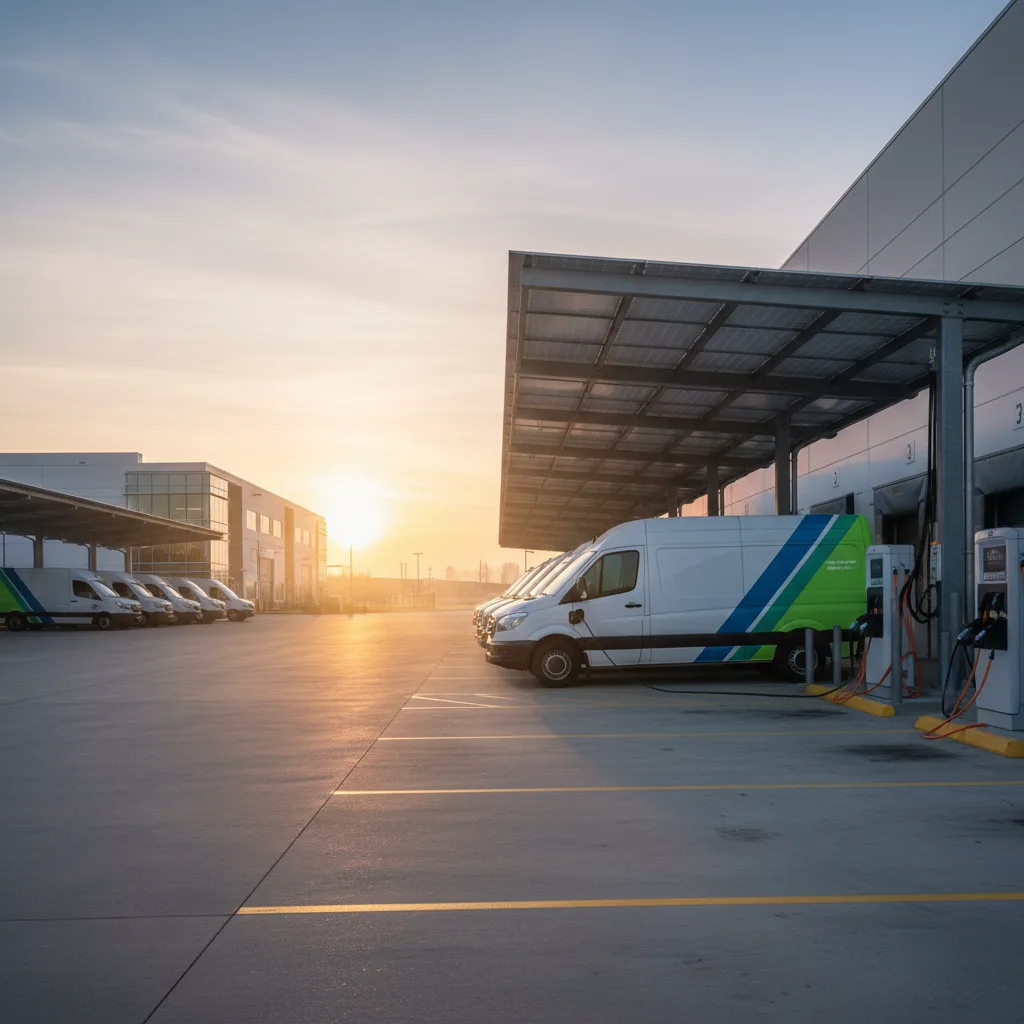
A first-come-first-served grant pool, open through August 31, 2026 or until funds exhausted. Tied to vehicle or equipment replacement — not a charging-only grant. Here's what qualifies, how to apply, and how to stack it with Section 30C before the June 30 federal deadline.
$109.2M
Program pool
139
Days to Aug 31, 2026
up to $250K
Award per heavy-duty unit
45–90 days
Review window
TCEQ All-Electric is first-come-first-served. The $109.2M pool is nominally open until August 31, 2026, but comparable TERP cycles have exhausted 45–90 days before the posted deadline. If you also want Section 30C, your chargers must be placed in service before June 30, 2026 — another 77 days earlier. File as soon as your fleet plan is signed.
TCEQ All-Electric is a $109.2M Texas Commission on Environmental Quality grant pool that pays for replacing internal-combustion commercial vehicles and non-road equipment with all-electric models, including the paired charging infrastructure. It is first-come-first-served (not scored), open until August 31, 2026 or until funds run out. Award sizes range from $10K per light-duty fleet unit to $250K+ for medium/heavy-duty, with charging infrastructure bundled into the package. Pair with Section 30C — but watch the June 30, 2026 federal deadline.
The Texas Commission on Environmental Quality (TCEQ) administers the All-Electric program as part of the state's broader Texas Emissions Reduction Plan (TERP) effort to cut NOx and particulate emissions from commercial vehicles and non-road equipment. The 2026 cycle carries $109.2M in state appropriations — one of the largest single-state commercial EV funding pools in the country — and it is explicitly structured to move capital quickly on a first-come-first-served basis.
Unlike scored competitive grants (e.g., EPA Clean Heavy Duty Vehicle Program), All-Electric pays applicants in the order they submit complete applications. That rewards preparation: a team with vendor quotes, utility letters, and scrappage documentation ready at submission will typically secure funds that a less-prepared applicant will lose even if they "qualify" on paper. TCEQ has historically exhausted program pools months before the stated deadline.
Eligible entities are broad but the project structure is narrow. Applicants include:
The structural gate is that funding is tied to vehicle or equipment replacement. You cannot submit a pure "install 20 DCFCs at our warehouse" project. Every award must be paired with the scrappage and replacement of a specific, documented diesel or gasoline unit. The new all-electric unit must meet TCEQ's vehicle-class specifications, and the charging hardware must be sized and located to support that specific deployment.
Award size is a function of the emissions-reduction value of the replacement, which itself depends on vehicle class, duty cycle, and how old the retired unit is. Typical 2026 award ranges:
Rugged, networked L2 stations commonly specified on TCEQ All-Electric fleet packages. All three carry the enclosure rating, OCPP firmware, and session metering that TCEQ's infrastructure documentation checklist requires.
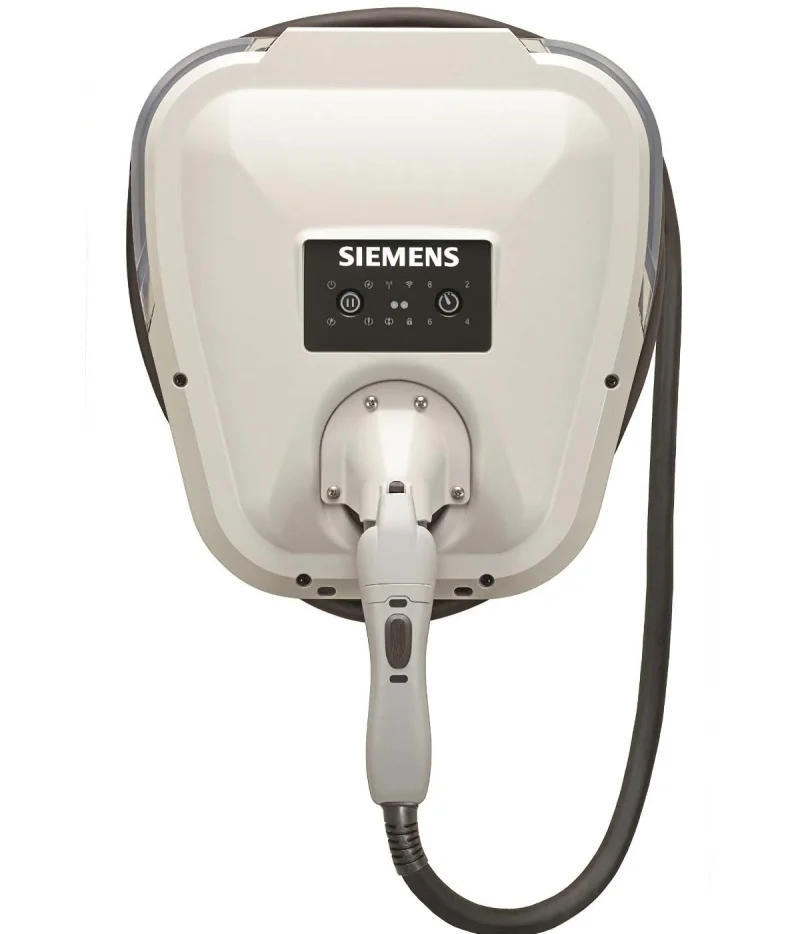
30–40A networked L2, rugged ABS enclosure, OCPP 1.6
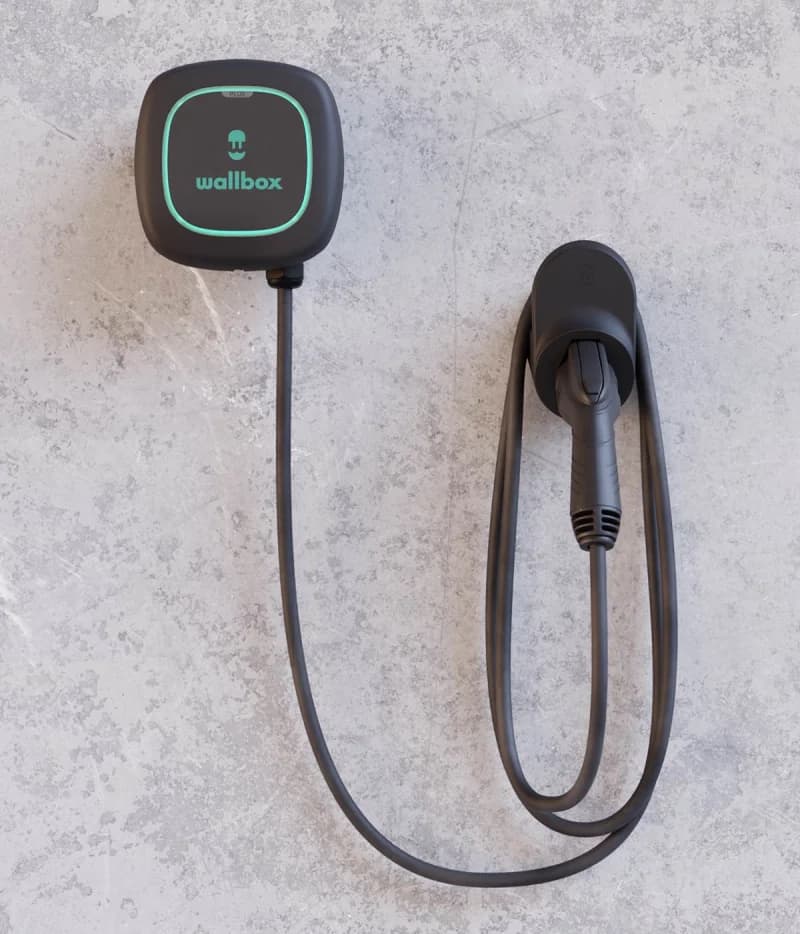
40–48A L2 with dynamic load balancing, 24 ports
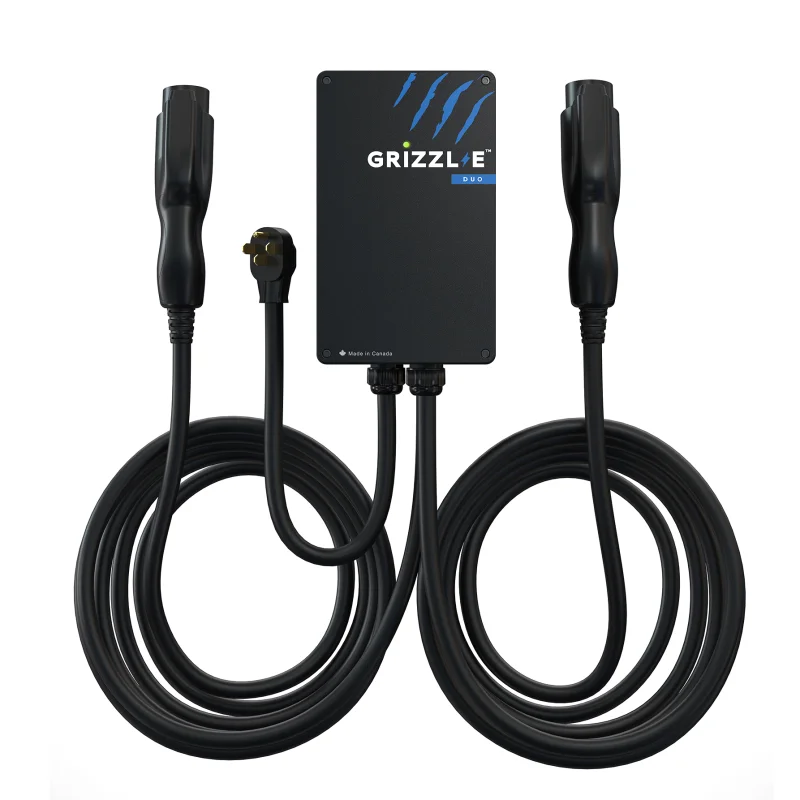
40A dual-port L2, NEMA 4, stainless enclosure
The current funding window stays open until August 31, 2026, or until the $109.2M pool is fully obligated. Because the program is first-come-first-served and not competitively scored, money reliably runs out earlier than the posted deadline when applicant volume is high. Historically, comparable TERP cycles have closed 45–90 days early.
Practical implication: if you're planning a 2026 Texas fleet electrification project, submit before the end of Q2 2026 (before July 1). That protects against early closure and also aligns with the Section 30C federal charging credit deadline of June 30, 2026 — critical for stacking.
For a fuller look at Texas commercial EV incentive architecture across TDU and muni programs, see our Texas commercial EV charging hub.
Yes — and this is where most applicants leave money on the table by mistiming their placed-in-service date. The two programs work together as follows:
That means stacking both requires your chargers to be energized, commissioned, and placed in service before June 30, 2026— regardless of when your TCEQ grant agreement is signed. Permitting lead times, interconnection studies, and gear procurement make that a tight window. NuWatt's Texas engineering team sequences this backward from June 30 every time we quote a stacked project.
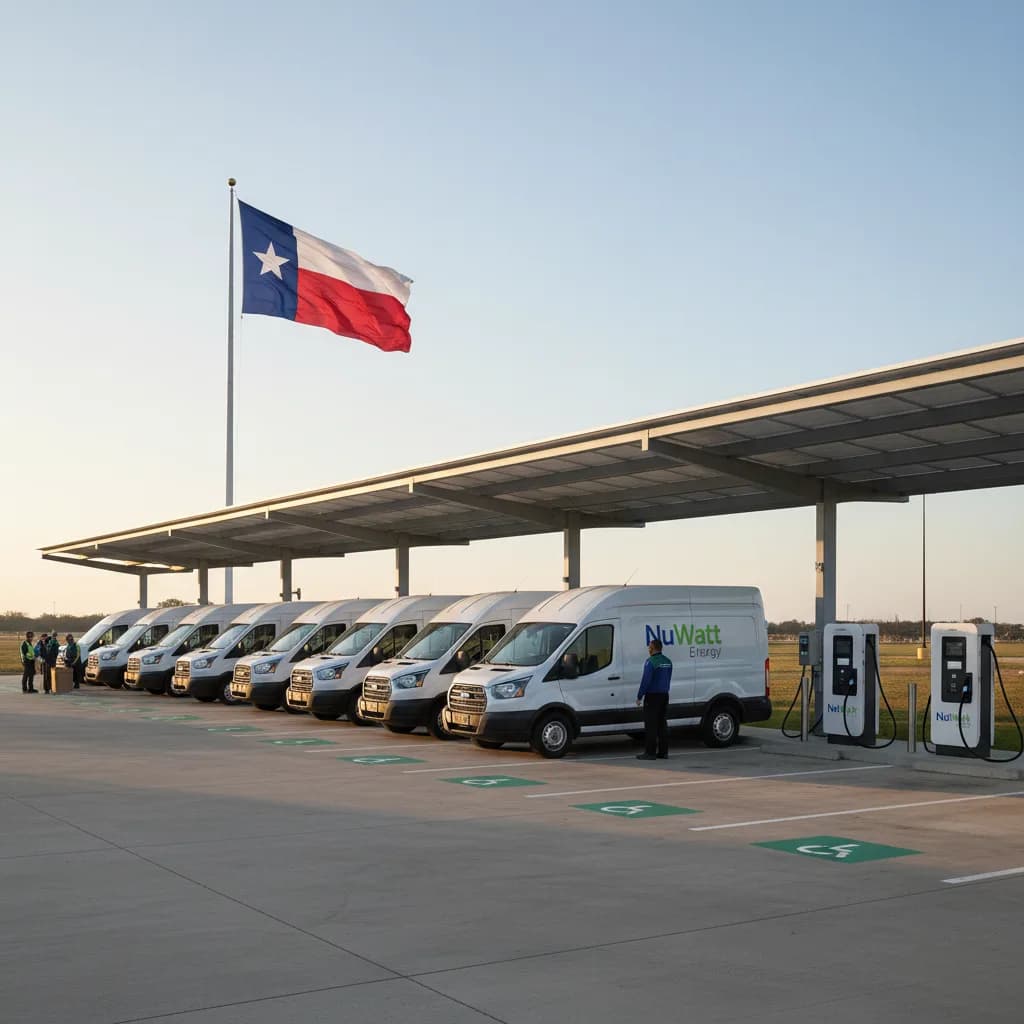
Representative Texas last-mile fleet package with 10 retired diesel cargo vans, 10 new all-electric Class-2b vans, and 10 networked L2 depot ports. Grant + credit lifts coverage to ~72%.
Illustrative. 30C basis reduction math assumes TCEQ grant allocable to chargers is subtracted before the 30% multiplier. Confirm with tax counsel; NuWatt models the exact allocation for your project.
TCEQ has simplified All-Electric from prior TERP cycles, but the workflow still requires precision. NuWatt typically handles the charging-infrastructure side of the package; a fleet vendor or OEM handles the vehicle-side documentation.
Recent (2025 cycle) median reimbursement values we've seen across comparable Texas projects:
These are ranges — your specific award depends on equipment class, emissions calcs, and TCEQ's remaining pool balance at submission time.
The TCEQ All-Electric program is a $109.2M Texas Commission on Environmental Quality funding pool that pays for converting internal-combustion commercial vehicles and equipment to all-electric drivetrains, plus the charging infrastructure required to support them. It is administered by TCEQ under the Texas Emissions Reduction Plan (TERP) umbrella and operates on a first-come-first-served basis, not a competitive scoring round.
TCEQ All-Electric Program
Official program page, application portal, and remaining pool balance.
Texas Emissions Reduction Plan (TERP)
Umbrella framework for TCEQ NOx-reduction grants.
IRS Form 8911 & Section 30C
Federal Alternative Fuel Vehicle Refueling Property Credit — 2026 filing guidance.
OBBB Act Section 30C sunset
Accelerated placed-in-service deadline of June 30, 2026.
ERCOT large-load interconnection
Interconnection study requirements for aggregate loads above 1 MW.
EPA Diesel Emissions Reduction Act
Federal DERA program — complementary scrappage + vehicle replacement funding.
Last verified by NuWatt Incentive Team on 2026-04-14. TCEQ program terms and remaining pool balance change weekly — confirm current availability before finalizing your fleet capital plan.
NuWatt handles the charger-side application package: one-line, site plan, utility coordination letter, and Section 30C stacking. Deadline August 31, 2026 or earlier — Section 30C cuts off June 30, 2026.