Loading NuWatt Energy...

We use your location to provide localized solar offers and incentives.
We serve MA, NH, CT, RI, ME, VT, NJ, PA, and TX
Loading NuWatt Energy...
NuWatt designs, installs, and manages solar, battery, heat pump, and EV charger systems across 9 states. One company, one warranty, one point of contact.
Get a Free Quote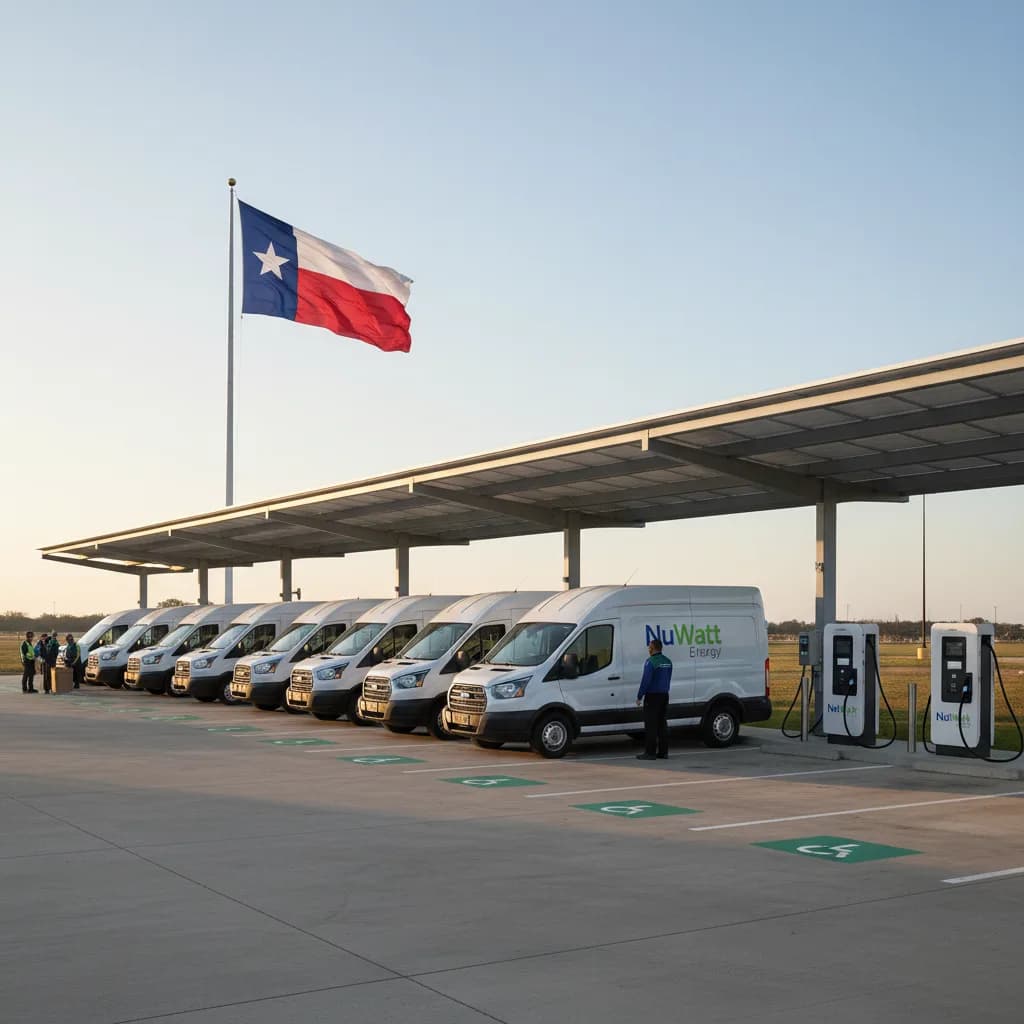
Built for ERCOT-market commercial fleets: logistics, oil services, delivery, school bus, municipal. Sample 10-truck, 20-van, and 5-truck medium-duty designs, switchgear and battery strategy, and how to stack TCEQ All-Electric + Section 30C + Oncor/CenterPoint/AEP/TNMP before the June 30, 2026 federal deadline.
$250K–$3M+
Typical depot capex
120–300d
Kickoff to energized
50–100%
4CP demand reduction
1 MW
ERCOT study threshold
For depots requiring ERCOT large-load interconnection studies (above 1 MW aggregate charger load), 12–30 month queues are normal. If Section 30C is in your capital stack, start TDU coordination immediately and plan on battery storage to stay under the 1 MW threshold. A 30% credit on a $1.5M fleet build is $450K — worth the scheduling discipline.
Map vehicle dwell and state-of-charge at arrival, then size an 80/20 L2-to-DCFC port mix scaled to overnight charging windows. For anything above 1 MW aggregate, start ERCOT interconnection studies on day one and plan on-site battery storage (200–1,500 kWh) to smooth 4CP demand spikes. Stack TCEQ All-Electric (FCFS through August 31, 2026), Section 30C (June 30, 2026 federal deadline, 6% or 30% with PWA), and your TDU rebate (Oncor, CenterPoint, AEP, TNMP) or municipal utility program (Austin Energy, CPS Energy). NuWatt delivers this turnkey.
Depot design in Texas is a four-variable optimization: dwell time, duty cycle, switchgear cost, and ERCOT demand-charge exposure. Unlike California or the Northeast — where utilities often subsidize the full make-ready build-out — Texas commercial fleets shoulder more of their own interconnection cost. That pushes good design toward minimizing peak draw from the utility and maximizing diversified, staggered charging enforced by a smart energy management system.
The design walk starts with a vehicle dwell map. For each truck: when does it return to the depot, what state-of-charge does it arrive at, how much energy does it need before next dispatch, and what's the latest start time that still meets dispatch? That produces a per-truck minimum charge power. Summed across the fleet and plotted against time of night, it gives you the aggregate power curve the depot actually needs — which is almost always dramatically lower than (port count × max rated power), the naive calculation.
For a fuller ERCOT 4CP framework alongside commercial solar that applies equally to fleet depots, see our Texas 4CP demand-management playbook. For the solar canopy upsell that makes sense on many Texas depots, see our solar carport + EV charging bundle.
Representative Texas last-mile delivery depot (Class 2b cargo vans, 80–150 mi/day duty cycle, 9-hour overnight dwell):
Larger last-mile or parcel hub (Class 2b–3 vans, extended duty cycle, 7-hour dwell):
Texas oil services, municipal service, or regional delivery medium-duty fleet (Class 5–6, 200+ mi/day):
Depot L2 workhorses plus a mixed-standard NACS option for Tesla-heavy corridors. DCFC pedestals (ABB Terra, Kempower C-Series) are specified project-by-project — full PDP pages coming in Wave 5.
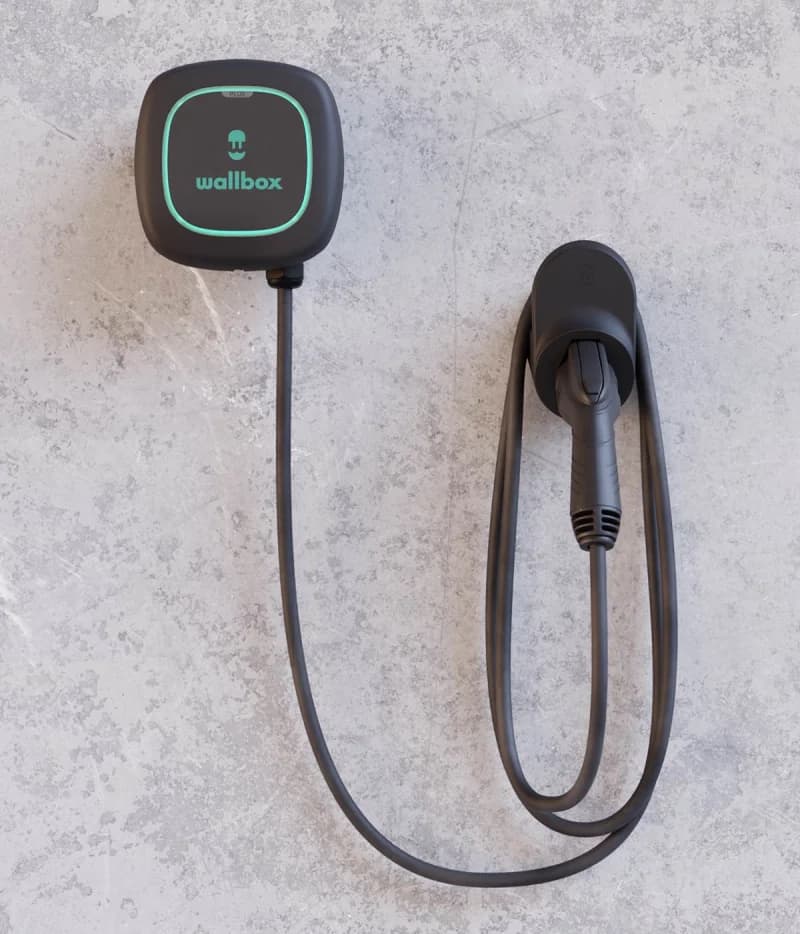
40–48A L2, dynamic load sharing across 24 ports
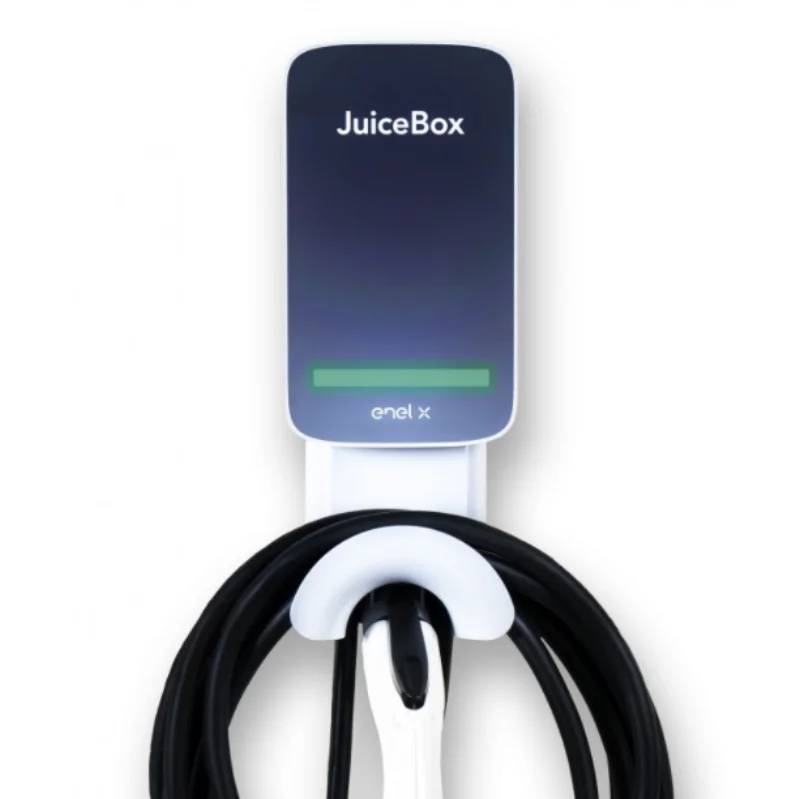
48A networked L2, WiFi + cellular, 25 ft cable
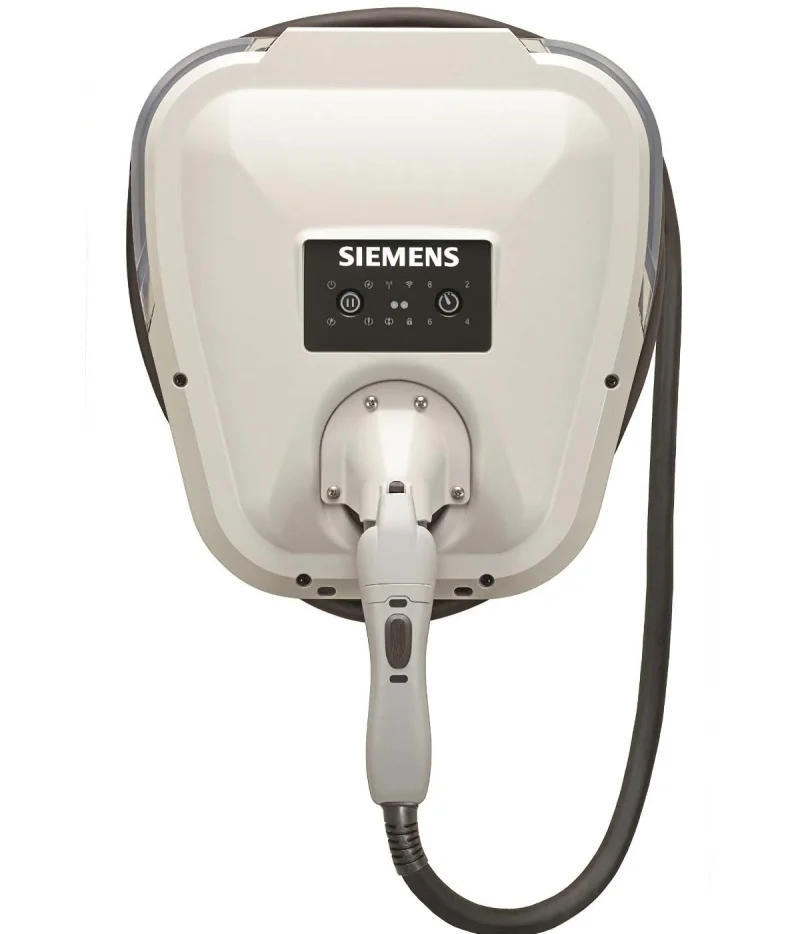
30–40A L2, rugged industrial enclosure, OCPP

Native NACS + J1772 adapter, 48A L2
Thermal-derating curves published, dual-cable CCS1+NACS. PDP pages coming Wave 5.
Texas fleet depots cross three natural electrical thresholds. Below ~200 kW aggregate the upgrade is usually a 400A–600A panel, a new subpanel, and possibly an upsized transformer from the TDU. Between 200 kW and 1 MW you're generally into a dedicated service drop with a customer-owned pad-mount transformer and 1,200A+ switchgear. Above 1 MW you enter ERCOT large-load territory: interconnection study, impact study, and often a 12-to-30-month queue position that can kill a Section 30C deadline if you don't start day one.
The single highest-leverage design move in Texas is reducing the ERCOT large-load threshold crossing — pairing smart charging with battery storage to keep your aggregate peak below 1 MW even when your rated port capacity exceeds it. A 500 kWh battery on a depot whose rated port capacity is 1.2 MW can often keep the measured peak under 900 kW, which avoids the full ERCOT study and saves 6–18 months of schedule.
ERCOT's 4CP methodology means Texas commercial fleets pay transmission rates set by their highest 15-minute demand during the four coincident peak intervals in June–September. A fleet charging hundreds of kW overnight generally won't hit 4CP directly, but mid-shift DCFC use during summer afternoons absolutely can — and a single bad afternoon can lock in an elevated transmission rate for 12 months.
Depot battery storage solves this. Typical 2026 Texas depot battery sizing:
Batteries also unlock value in ERCOT's wholesale energy and ancillary services markets for larger deployments. That's a separate conversation NuWatt is happy to have after the primary charging design is locked.
CenterPoint zone, qualifying census tract, TCEQ-eligible Class 2b van replacement paired with 20 L2 ports, 2 DCFC, and 300 kWh battery.
MACRS / bonus depreciation on remaining basis is additional state-dependent cash value. Your specific numbers depend on census tract, PWA compliance, TCEQ vehicle class, and utility program tier.
Fleet depot charging is a rare project type where single-source EPC delivery genuinely beats design-bid-build on schedule, risk, and incentive capture. The Section 30C June 30, 2026 deadline is unforgiving — if your chargers aren't energized and commissioned by midnight June 30, you lose the federal credit entirely. That's a 6–30% swing, often $50K–$300K on a mid-sized depot.
NuWatt's Texas EPC scope delivers:
One PM, one warranty umbrella, one path to 30C capture — which is exactly what fleet operators need when they're trying to hit the June 30 deadline and still keep the trucks on the road.
Start with a vehicle dwell and duty-cycle map — how long each truck sits at the depot and what state-of-charge it arrives at. That sets L2 vs DCFC mix. Texas fleets generally lean L2-heavy (7.2–19 kW per port, 8–14 hour dwell) with 2–4 DCFC pedestals reserved for mid-shift top-ups and spares. Add ERCOT 4CP demand-charge modeling, a switchgear plan for aggregate load (ERCOT interconnection study required above 1 MW), and a battery for demand smoothing. Finally, engineer the incentive stack: TCEQ All-Electric, Section 30C, TDU rebate (Oncor, CenterPoint, AEP, TNMP).
IRS Form 8911 & Section 30C
Alternative Fuel Vehicle Refueling Property Credit — 2026 guidance.
TCEQ All-Electric Program
Texas Commission on Environmental Quality grant portal + eligibility.
ERCOT large-load interconnection
Interconnection study procedures for aggregate loads above 1 MW.
Oncor — Drive Forward
North/West TX TDU rebate documentation for commercial EV.
CenterPoint Energy — EV
Houston-area make-ready and commercial EV pilot tariff.
Austin Energy — EV Programs
Municipal workplace/fleet EV rebate tiers.
CPS Energy — Commercial EV
San Antonio municipal rebate for commercial EVSE.
OBBB Act — Section 30C sunset
Placed-in-service deadline accelerated to June 30, 2026.
Last verified by NuWatt Incentive Team on 2026-04-14. Incentive program terms change frequently — confirm current availability with each utility before signing a proposal.
NuWatt delivers turnkey EPC: engineering, TDU coordination, TCEQ + 30C application support, switchgear, battery, and install. Federal Section 30C deadline is June 30, 2026 — we sequence everything backward from that date.