Loading NuWatt Energy...

We use your location to provide localized solar offers and incentives.
We serve MA, NH, CT, RI, ME, VT, NJ, PA, and TX
Loading NuWatt Energy...
NuWatt designs, installs, and manages solar, battery, heat pump, and EV charger systems across 9 states. One company, one warranty, one point of contact.
Get a Free Quote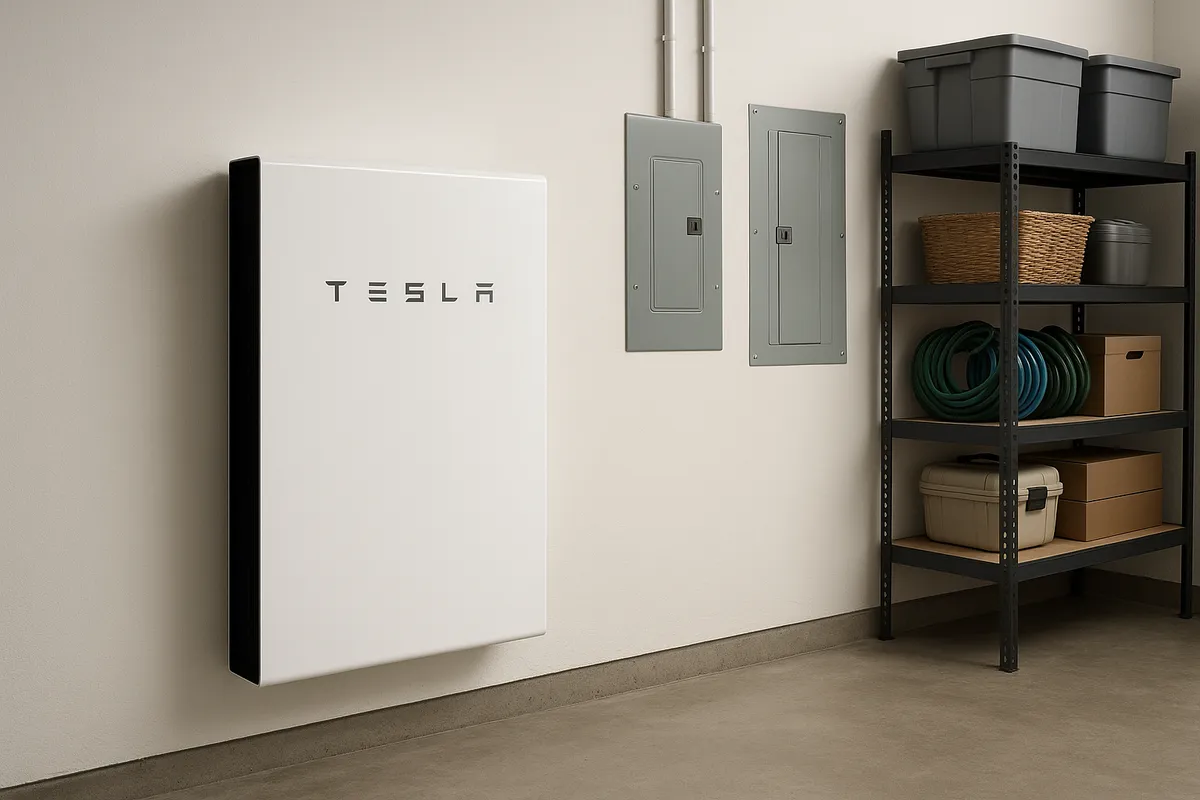
Maine's rural, forested grid means frequent outages — especially during ice storms. Home battery storage keeps your lights, well pump, heat pump, and essentials running when the grid goes down. Pair with solar for indefinite backup and energy independence.
Custom battery sizing for your home in 24 hours. No obligation.
Maine's forested grid is uniquely vulnerable to outages. Ice storms, nor'easters, and rural power lines mean losing power is not a matter of if — it's when.
Maine averages 2-3 significant ice storms per winter. Rural areas can lose power for days. A home battery keeps your lights, fridge, well pump, and heat running when the grid goes down.
Maine has the most forested electrical grid in the country. Fallen trees cause frequent outages, especially in rural areas. Battery backup provides energy independence when the grid fails.
Pair your solar panels with battery storage to use your own solar power at night and during outages. In a blackout, solar alone shuts off — but solar + battery keeps running.
Many rural Maine homes depend on electric well pumps. No power = no water. A battery system keeps your well pump running during outages — critical in homes without municipal water.
Maine NEB allows solar + battery owners to maximize self-consumption, storing excess solar and using it during peak hours instead of exporting at retail rate.
If you heat with a heat pump, losing power means losing heat in winter. A battery keeps your heat pump running during outages — essential when temperatures drop below zero.
NuWatt installs three battery systems — each with different strengths. We recommend based on your backup needs, solar system size, and budget.
Whole-home backup. Highest continuous power output. Integrated solar inverter.
Modular — add units to match your needs. Pairs perfectly with Enphase microinverters.
Off-grid ready. Best for rural Maine properties wanting energy independence.
Federal 25D battery credit = $0 in 2026 (expired December 31, 2025). Prices include installation. Actual cost varies by electrical panel, wiring, and site conditions.
Battery duration depends on what you power. Here are four common scenarios for Maine homeowners — from essential loads to full off-grid capability.
Duration estimates assume battery fully charged at start of outage. Solar + battery systems recharge daily, providing multi-day or indefinite backup during daylight hours.
A battery alone lasts 8-24 hours. But solar + battery provides indefinite backup during daylight hours— your solar panels recharge the battery each day. During the 2023 ice storm that left parts of Maine without power for 5+ days, homeowners with solar + battery never lost power. NuWatt designs combined systems sized for multi-day resilience.
Maine has thousands of rural properties where grid connection is expensive or unreliable. A properly sized solar + battery system can provide complete off-grid living. Typical off-grid systems need 10-15 kW of solar plus 30-45 kWh of battery storage. NuWatt designs off-grid systems with proper load calculations and seasonal production modeling for Maine's latitude.
Off-grid solar guideAnswers to common questions about battery storage in Maine.
Home battery storage in Maine costs $6,000-$16,000 depending on the system. An Enphase IQ 5P (5 kWh) starts at $6,000-$7,500, a Tesla Powerwall 3 (13.5 kWh) costs $12,000-$14,000, and a Franklin aPower2 (15 kWh) runs $14,000-$16,000. The federal Section 25D tax credit expired December 31, 2025 — there is no federal battery credit in 2026. Batteries paired with solar may qualify for Efficiency Maine incentives.
Maine does not have a dedicated battery storage rebate equivalent to ConnectedSolutions (which exists in Massachusetts and Rhode Island). However, batteries paired with solar installations may qualify for Efficiency Maine solar incentives. The federal 25D ITC expired in 2025. NuWatt monitors all Maine programs and will notify you if new battery incentives become available.
Battery duration depends on your loads. A Tesla Powerwall 3 (13.5 kWh) powers essential loads (lights, fridge, Wi-Fi, well pump) for 18-24 hours, or whole-home for 8-12 hours. Paired with solar, batteries can run indefinitely during daylight hours — solar recharges the battery each day. For multi-day ice storm outages, solar + battery is the most reliable backup.
Yes, but it requires careful sizing. A solar + battery system can provide off-grid capability for rural Maine properties. You typically need a 10-15 kW solar array plus 30-45 kWh of battery storage for year-round off-grid living (accounting for Maine's shorter winter days). The Franklin aPower2 is designed for off-grid applications. NuWatt designs off-grid systems for rural Maine properties.
A battery is not required for solar in Maine — net metering allows you to send excess power to the grid and use credits later. However, a battery adds backup power during outages (critical in rural Maine), allows you to use stored solar at night, and provides peace of mind during ice storms. If you have a well pump or heat pump, battery backup is strongly recommended.
The Tesla Powerwall 3 is the best overall home battery for Maine — 13.5 kWh capacity, 11.5 kW continuous power (enough for whole-home backup), and integrated solar inverter. For modular setups, Enphase IQ 5P batteries let you scale capacity in 5 kWh increments. For off-grid rural properties, the Franklin aPower2 (15 kWh) is the top choice.
With Maine's 1:1 net metering, you can export excess solar to the grid for credits. Adding a battery gives you the option to store excess solar instead of exporting, using it at night or during outages. This maximizes self-consumption and provides backup power. During normal grid operation, you choose whether to store or export — during outages, the battery automatically powers your home.
No. The Section 25D residential clean energy tax credit expired December 31, 2025. There is no federal tax credit for standalone batteries or solar-paired batteries purchased by homeowners in 2026. If you finance through a third-party ownership model (like Propel for solar), the commercial Section 48E ITC may apply to the battery — energy storage technology is its own qualifying category under Section 48E(c)(2), so it need not be bundled with solar — but that credit belongs to the financing company, not to you directly.
Get a free battery sizing consultation. We will assess your backup needs, recommend the right system, and provide honest 2026 pricing. Solar + battery? We design that too.