
Massachusetts 5 GW Battery Storage Mandate: What It Means for Homeowners
The 2024 Climate Act requires Massachusetts utilities to procure 5,000 MW of energy storage by July 2030 — a 7x increase from current levels. This mandate will drive down battery costs, strengthen incentive programs, and transform the electric grid.
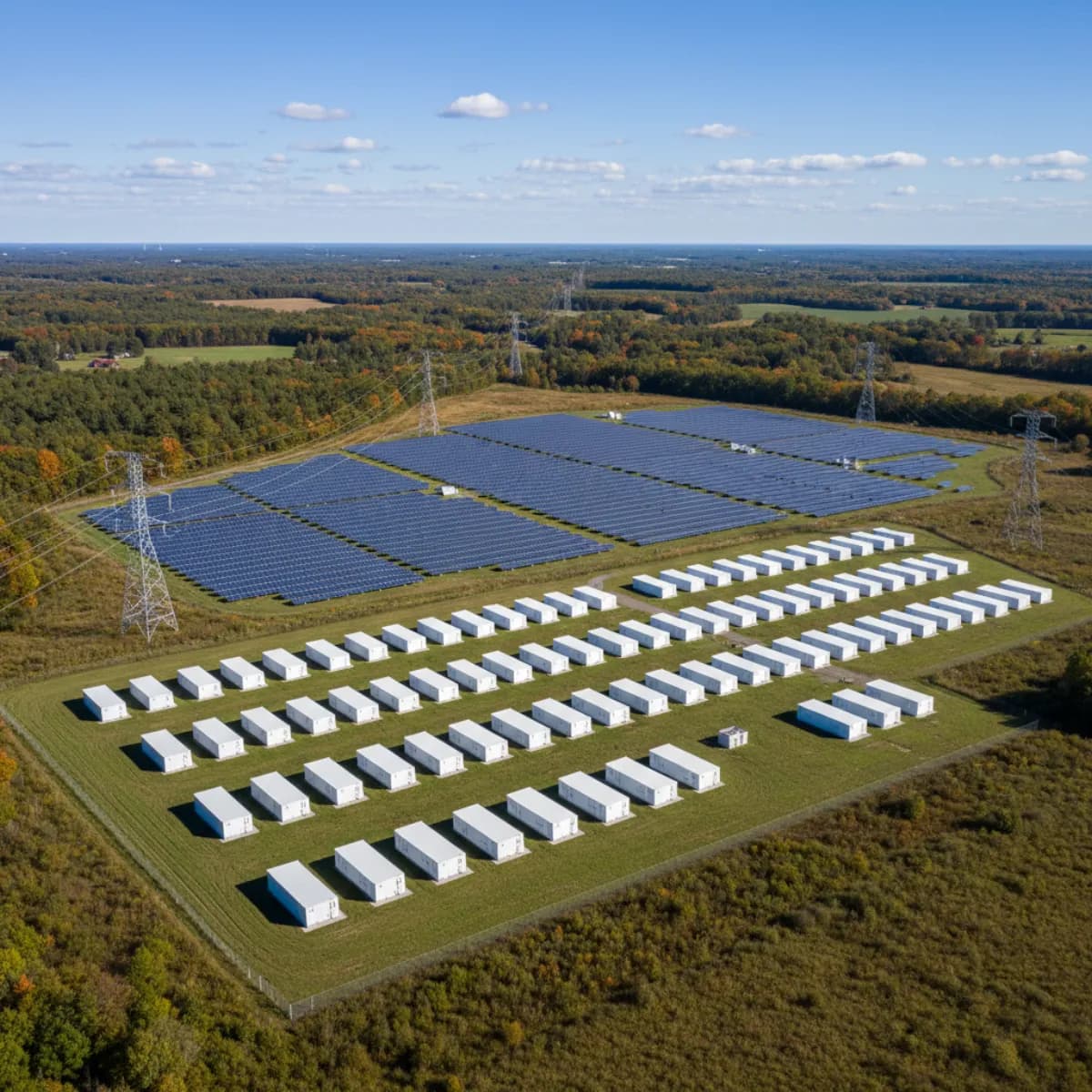
TL;DR — The Big Picture
- 5,000 MW of energy storage must be procured by Massachusetts utilities by July 31, 2030.
- 7x growth required: MA had ~700 MW installed as of 2024. The mandate requires reaching 5,000 MW in ~5 years.
- Your home battery counts: Residential systems enrolled in ConnectedSolutions contribute toward the mandate.
- Battery costs are declining: Massive procurement drives economies of scale, projecting 15-25% residential cost reduction by 2028.
- Incentives stay strong: ConnectedSolutions, Clean Peak Standard, and SMART storage adder are all fueled by the mandate.
The 5 GW Storage Mandate: Origins and Scope
Massachusetts has long been a leader in clean energy policy, and the 2024 Climate Act(signed into law in August 2024) represents the state's most aggressive energy storage commitment to date. The law requires the state's investor-owned utilities — Eversource, National Grid, and Unitil — to procure a combined 5,000 megawatts (MW) of energy storage by July 31, 2030.
To put this in perspective: as of late 2024, Massachusetts had approximately 700 MW of installed energy storage capacity. The mandate requires roughly 7 times the current installed base to be deployed in approximately 5 years. This makes Massachusetts one of the most ambitious energy storage markets in the United States, second only to California.
The mandate responds to a growing consensus among grid operators, climate scientists, and energy economists that energy storage is essential for a reliable, affordable, and clean electric grid. As Massachusetts adds more solar and wind generation, storage is needed to bridge the gap between when renewable energy is generated and when it is consumed.
Procurement Milestones
The mandate includes interim milestones to ensure steady progress toward the 2030 goal. These milestones are legally binding — utilities that fail to meet them face penalties and regulatory consequences:
July 31, 2025
1,500 MWCumulative: 1,500 MWFirst interim milestone. Requires aggressive early procurement.
July 31, 2026
+1,000 MWCumulative: 2,500 MWSecond year target. Mid-duration storage projects begin coming online.
July 31, 2027
+1,000 MWCumulative: 3,500 MWHalfway mark. Long-duration storage technologies expected to reach deployment scale.
July 31, 2030
+1,500 MWCumulative: 5,000 MWFinal deadline. All technology categories must meet procurement targets.
Progress Toward 5,000 MW
As of late 2024, approximately 700 MW installed (~14% of the 2030 target).
Required Technology Mix
The mandate does not simply require 5,000 MW of any storage technology. It specifies a deliberate mix of storage durations to meet different grid needs:
Mid-Duration (4-10 hours)
3,500 MW (70%)Technologies: Lithium-ion batteries, iron-air batteries
Use case: Daily load shifting, peak demand management, renewable energy time-shifting
Long-Duration (10-24 hours)
750 MW (15%)Technologies: Iron-air, zinc-air, flow batteries, compressed air
Use case: Extended outage protection, multi-day weather events, seasonal load smoothing
Multi-Day (24+ hours)
750 MW (15%)Technologies: Green hydrogen, thermal storage, advanced flow batteries
Use case: Week-long weather events, seasonal energy storage, grid resilience
Why This Matters for Homeowners
You might wonder why a utility-scale procurement mandate matters for a homeowner considering a Tesla Powerwall or Enphase battery. The answer is that the 5 GW mandate creates powerful ripple effects that directly benefit residential battery customers:
Lower Battery Costs
Massive utility procurement creates economies of scale for battery manufacturers. When utilities order thousands of megawatt-hours of storage, manufacturing volumes increase, supply chains mature, and costs decline across the entire market — including residential batteries. Industry analysts project 15-25% residential battery cost reductions by 2028 driven by procurement mandates in Massachusetts, California, and other leading states.
Stronger Incentive Programs
The mandate ensures that programs like ConnectedSolutions, the Clean Peak Standard, and the SMART storage adder remain well-funded and expanding. Utilities need residential batteries to help meet their procurement targets, which means they have a financial incentive to make residential battery adoption attractive through generous demand response payments.
Improved Grid Reliability
5,000 MW of storage fundamentally changes how the Massachusetts grid operates. During heat waves, winter storms, and other extreme events, distributed storage provides a buffer that prevents blackouts and reduces the need for expensive emergency power purchases. Even if you don't install your own battery, you benefit from a more reliable grid.
Cleaner Electricity
Every megawatt of storage that replaces a gas peaker plant reduces the carbon intensity of Massachusetts electricity. This benefits every electric customer through lower grid emissions, and it makes your own solar + battery system even greener by ensuring the grid power you do use is increasingly clean.
Behind-the-Meter vs. Front-of-Meter Storage
Energy storage is deployed in two main configurations, and both count toward the 5 GW mandate:
Behind-the-Meter (Residential)
- Installed at your home (Tesla Powerwall, Enphase IQ, etc.)
- Provides backup power during outages
- Earns revenue through ConnectedSolutions and Clean Peak
- Counts toward the mandate when enrolled in demand response
- Typical size: 5-27 kWh per home
Front-of-Meter (Utility-Scale)
- Installed at substations or dedicated sites
- Serves the entire grid, not individual homes
- Participates in wholesale energy and capacity markets
- The primary vehicle for meeting the 5 GW target
- Typical size: 5-300+ MW per project
While utility-scale projects will account for the majority of the 5,000 MW, behind-the-meter residential storage plays an important supporting role. Utilities view residential batteries as a distributed grid asset — thousands of Powerwalls dispatching simultaneously during a heat wave provide the same grid relief as a large centralized battery, but with the added benefit of individual home backup protection.
Economic Impact
The 5 GW mandate represents one of the largest energy infrastructure investments in Massachusetts history. The economic implications are significant:
$8-12B
Estimated total investment in storage infrastructure
15,000+
Estimated jobs created in construction, manufacturing, and O&M
$500M+
Annual peaker plant fuel cost savings at full deployment
The investment extends beyond just batteries. Supporting infrastructure — grid upgrades, site preparation, interconnection, software systems, and ongoing operations — creates a broad economic multiplier. Massachusetts is positioning itself as a national hub for energy storage innovation, with several long-duration storage companies (Form Energy, Malta Inc.) headquartered or operating in the state.
Grid Reliability Benefits
Peaker Plant Retirement
Massachusetts relies on dozens of natural gas "peaker plants" that only run during peak demand — 50-200 hours per year. These are the dirtiest, most expensive power plants on the grid. Battery storage can replace their function at lower cost and zero emissions.
Extreme Weather Resilience
During extreme heat waves, polar vortex events, or nor'easters, the grid is stressed to its limits. Distributed battery storage provides local resilience — if the grid goes down, homes with batteries keep the lights on.
Renewable Integration
Solar and wind generate power when the sun shines and wind blows — not necessarily when demand is highest. Energy storage bridges this gap, storing excess renewable energy for use during peak demand hours.
Transmission Congestion Relief
Strategically placed storage reduces the need for expensive transmission line upgrades by managing local demand. This defers billions in grid infrastructure costs that would otherwise be passed to ratepayers.
Complementary Incentive Programs
The 5 GW mandate works alongside several existing programs that make battery storage financially attractive for homeowners:
ConnectedSolutions
Demand response program where residential batteries dispatch during grid peaks. Eversource pays $275/kW (summer) + $50/kW (winter). National Grid pays $225/kW (summer) + $50/kW (winter).
How it connects: Residential Powerwalls enrolled in ConnectedSolutions count toward the mandate. More enrollment helps utilities meet targets.
Clean Peak Standard
Requires utilities to provide a growing percentage of electricity from clean energy during peak demand hours. Battery storage is a primary compliance mechanism.
How it connects: Storage operators earn Clean Peak Energy Certificates (CPECs) — a revenue stream on top of energy sales and capacity payments.
SMART 3.0 Storage Adder
The SMART program provides an additional incentive for solar installations paired with battery storage. The adder compensates battery owners for grid services.
How it connects: Homeowners with solar + battery earn both SMART production incentives and the storage adder, making the battery payback faster.
Federal Investment Tax Credit
The ITC provides a 30% tax credit for standalone or solar-paired battery storage systems. No minimum solar pairing requirement for batteries installed after January 1, 2023.
How it connects: Reduces the net cost of a residential battery by 30%, stacking with state programs for maximum savings.
Environmental Justice Component
The 2024 Climate Act explicitly addresses environmental justice in storage deployment. Historically, polluting peaker plants have been disproportionately located in low-income communities and communities of color. The mandate includes provisions to ensure the benefits of storage are shared equitably:
Siting Requirements
A minimum of 20% of utility-scale storage projects must be sited in or directly benefit Environmental Justice communities.
Local Hiring
Storage projects in EJ communities must meet workforce development goals including local hiring targets and apprenticeship requirements.
Community Resilience Hubs
Battery storage paired with solar at community buildings (schools, community centers, shelters) in EJ neighborhoods, providing backup power during outages.
Rate Impact Protection
Procurement costs must be evaluated for disproportionate rate impacts on low-income customers, with mitigation measures required.
What Homeowners Should Do Now
The 5 GW mandate creates a favorable environment for residential battery adoption. Here's how to take advantage:
Install Solar + Battery Together
The economics are best when solar and battery are installed together. You qualify for the 30% federal ITC on the full system cost, and you can earn from net metering, SMART 3.0, the storage adder, and ConnectedSolutions simultaneously.
Enroll in ConnectedSolutions
If you already have a battery, enroll in ConnectedSolutions immediately. You earn $225-$275/kW annually just by allowing your battery to dispatch during peak events. A 13.5 kWh Powerwall can earn $1,500-$3,000+ per year.
Consider Right-Sizing
Battery costs are declining, but they are still a significant investment. Size your battery for your actual backup needs and demand response potential — a properly sized system earns better returns than an oversized one.
Lock in Current Incentives
Current incentive levels are strong. While the mandate ensures programs continue, specific rates can change. Installing now locks in today's ConnectedSolutions rates and SMART adder values.
Frequently Asked Questions
What does the Massachusetts 5 GW battery storage mandate require?
How much battery storage does Massachusetts currently have installed?
Will this mandate lower the cost of residential batteries?
Does my home battery count toward the 5 GW mandate?
What incentives are available for residential battery storage in MA?
What is the environmental justice component of the storage mandate?
What types of batteries will be used for the 5 GW mandate?
How does this mandate affect electric rates?
Ready to Add Battery Storage to Your Home?
NuWatt Energy installs Tesla Powerwall, Enphase IQ Battery, and other leading battery systems across Massachusetts. We handle ConnectedSolutions enrollment, SMART storage adder registration, and all incentive applications.