Loading NuWatt Energy...

We use your location to provide localized solar offers and incentives.
We serve MA, NH, CT, RI, ME, VT, NJ, PA, and TX
Loading NuWatt Energy...
NuWatt designs, installs, and manages solar, battery, heat pump, and EV charger systems across 9 states. One company, one warranty, one point of contact.
Get a Free Quote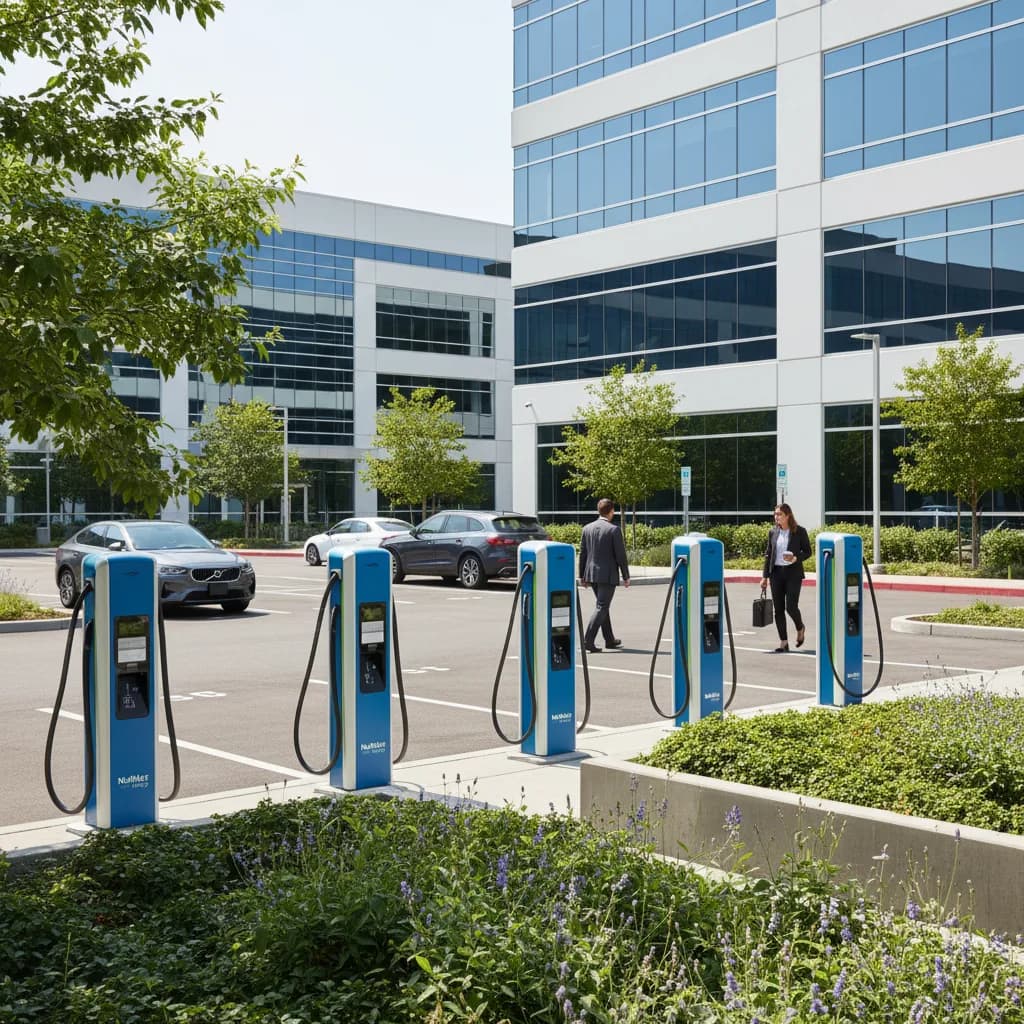
Connecticut runs one of the most generous workplace EV charging incentive programs in the country. Through EnergizeCT, Eversource and United Illuminating jointly cover up to 50 percent of networked Level 2 charger hardware plus 100 percent of utility-side make-ready infrastructure. The federal Section 30C credit expired June 30, 2026, so 2026 projects lean on the EnergizeCT rebate and make-ready. This guide covers program mechanics, application steps, and cost ranges for Hartford, New Haven, Stamford, and Bridgeport employers.
50%
Of networked L2 EVSE
100%
Utility make-ready covered
166
Eversource + UI towns
90–180d
Delivery cycle
The EnergizeCT EV Charging Program, run jointly by Eversource and United Illuminating, covers 50% of networked L2 charger hardware plus 100% of utility-side make-ready infrastructure for workplace, fleet, multifamily, public, and DCFC deployments. The federal Section 30C credit expired June 30, 2026, so current stacks rely on the EnergizeCT rebate and make-ready.
EnergizeCT covers five commercial EV charging segments, each with distinct incentive tiers. The rebate mechanics are similar across segments (50% hardware + 100% make-ready), but scoring criteria, enhanced EJ-community tiers, and reporting requirements differ. Match your project to the right segment during application to maximize capture.
Workplace (employee parking)
Hardware rebate: 50% of networked L2 hardware cost, typical $3,500–$5,500 per port
Make-ready: 100% of utility-side make-ready (transformer to meter) up to program cap
Notes: Employer must demonstrate at least 10 eligible employees using the lot. Usage data reporting required for program duration.
Light-duty fleet
Hardware rebate: 50% of hardware cost; higher tiers where depot serves multiple vehicles per port
Make-ready: 100% of make-ready; customer-side wiring often co-funded
Notes: Must demonstrate fleet transition plan. Municipal and commercial fleets both eligible.
Multifamily / MUD
Hardware rebate: 50% of hardware; enhanced tier in environmental justice communities
Make-ready: 100% make-ready; customer-side enhancements funded for EJ communities
Notes: Minimum 5 units at property. Networked L2 with resident billing (Xeal, SWTCH) preferred.
Public L2
Hardware rebate: 50% of hardware; higher match in low-income census tracts
Make-ready: 100% make-ready through utility territory
Notes: Charger must be publicly accessible 24/7. Strong fit for municipal lots, libraries, town halls.
DC Fast Charging (DCFC)
Hardware rebate: Case-by-case; typically $30K–$80K per port for corridor sites
Make-ready: 100% of utility-side; customer-side often partially funded
Notes: DCFC projects require PURA consultation; larger sites may route through competitive RFP.
Both utilities operate under the same EnergizeCT framework, so the dollar amounts are identical — 50 percent of hardware plus 100 percent of make-ready. The difference is territory, application portal, and which commercial account team you work with. If your site is on the Eversource / UI territory border, check your bill for the utility name.
Eversource Connecticut
149 towns, ~1.3M customers — Greater Hartford, northeast CT, Shoreline East, many Fairfield County communities
EV program contact: Eversource CT EV programs team via EnergizeCT portal
Commercial rate: Commercial Rate 27 (General Service) plus optional TOU schedules; separate EV tariff filings under review at PURA
Strongest for Greater Hartford office parks, healthcare campuses (Hartford Hospital, UConn Health), and Fairfield County commuter-heavy lots
United Illuminating (UI, Avangrid)
17 towns, ~340K customers — Greater New Haven, Bridgeport, Fairfield, Stamford corridor
EV program contact: UI Energy Efficiency & EV programs via EnergizeCT
Commercial rate: Commercial Rate GS / GST with TOU options; EV-specific tariff filings active
Strong fit for biotech corridor (New Haven / Orange), legal & financial services (Stamford, Westport), hospitals (Yale New Haven, Bridgeport Hospital)
Connecticut workplace EV demand and cost split across four regional profiles. Fairfield County has a distinct NYC-commuter demand pattern — many employees already own EVs because of NYC charging scarcity — which means per-port utilization and ROI math differ materially from Greater Hartford or the Shoreline.
Hartford
Eversource
Buyer persona: State agency, insurance HQ (The Hartford, Travelers, Aetna, Cigna), hospital system, UConn Law
Site character: Mix of Class A downtown high-rises and surface-lot corporate campuses in West Hartford, Farmington, Bloomfield
Section 30C (expired 6/30/26): Downtown Hartford includes several IRS-designated low-income census tracts that qualified while Section 30C was active; suburban campuses were mixed.
Typical deal: $40K–$200K, 6–14 ports, 75–150 day cycle
New Haven
UI
Buyer persona: Yale University & Yale New Haven Health, biotech (Alexion, BioLabs), startup incubators (District New Haven)
Site character: Campus-style parking decks at Yale Medical; surface lots at biotech parks in Orange and Branford
Section 30C (expired 6/30/26): New Haven proper had extensive low-income census tract coverage; outer suburbs varied.
Typical deal: $55K–$240K, 8–20 ports, 90–180 day cycle
Stamford
UI
Buyer persona: Financial services (UBS, RBS, Synchrony), media (NBCUniversal), NYC-commuter professional services
Site character: Class A downtown office towers with dedicated parking decks; dense suburban corporate HQ pattern in Greenwich and Ridgefield
Section 30C (expired 6/30/26): Stamford proper had limited tract eligibility; Bridgeport (adjacent UI territory) had extensive coverage.
Typical deal: $60K–$280K, 10–25 ports, 90–180 day cycle; NYC-commuter profile means many employees already drive EVs
Bridgeport
UI
Buyer persona: Healthcare (Bridgeport Hospital, St. Vincent’s), manufacturing, government, Sikorsky
Site character: Mix of manufacturing-era industrial sites and healthcare campuses; significant environmental justice community
Section 30C (expired 6/30/26): Bridgeport had extensive tract eligibility, and its EJ community designations still unlock enhanced EnergizeCT rebate tiers.
Typical deal: $45K–$175K, 6–15 ports, 75–150 day cycle
EnergizeCT is administered by the utilities and remains the core of the stack. The federal Section 30C credit expired June 30, 2026, so it is no longer available to layer on. The worked example below shows a typical Hartford corporate office deployment; the Section 30C line is illustrative of pre-expiration economics, while current projects lean on the EnergizeCT 50% EVSE rebate plus 100% utility-side make-ready.
Worked example
10-port networked L2 at a Hartford corporate office (Eversource territory, partial 30C eligibility)
| Total project cost | $78,000 |
| EnergizeCT EVSE rebate (50% of hardware, ~$3,500/port x 10) | -$17,500 |
| EnergizeCT make-ready (100% of utility-side infrastructure) | -$14,000 |
| Section 30C federal credit (illustrative — expired June 30, 2026) | -$3,600 |
| Net capital after full stack | $42,900 |
Make-ready coverage materially reduces customer-side capital in CT vs neighboring states. The Section 30C layer shown here expired June 30, 2026 — this net figure is illustrative of pre-expiration economics; current CT projects stack the EnergizeCT rebate and 100% make-ready only.
EnergizeCT-approved hardware
All three appear on EnergizeCT's networked-charger list and support the OCPP telemetry export Eversource and UI require for rebate reimbursement.
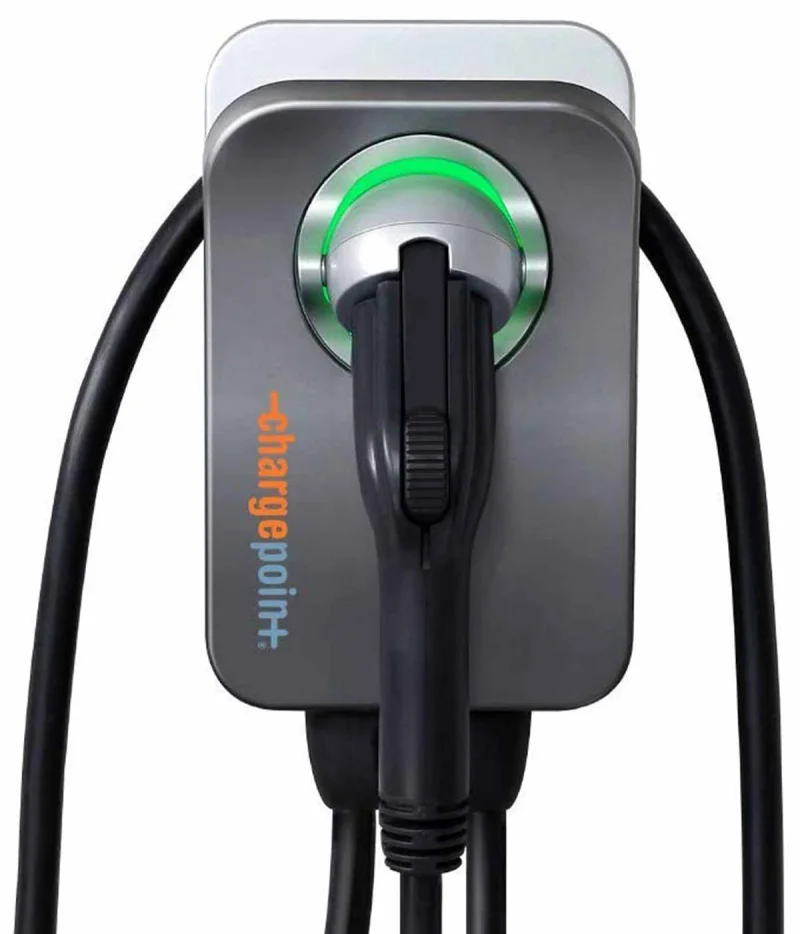
50A networked L2, OCPP, EnergizeCT-approved, Station Groups
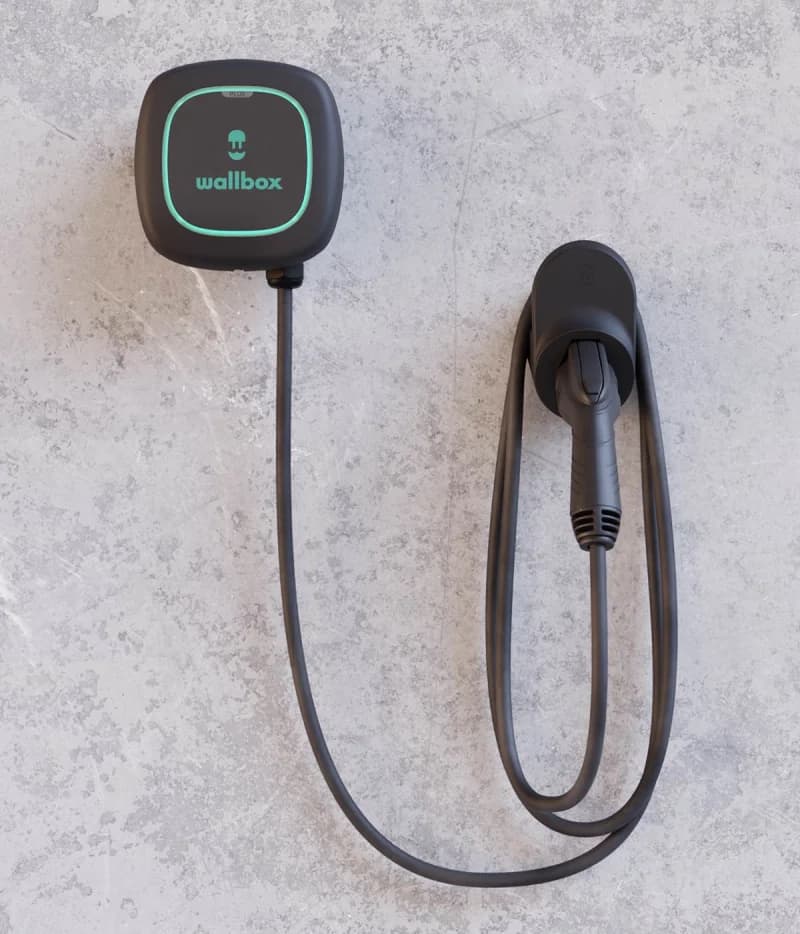
40–48A L2 with 24-port smart load sharing, managed charging
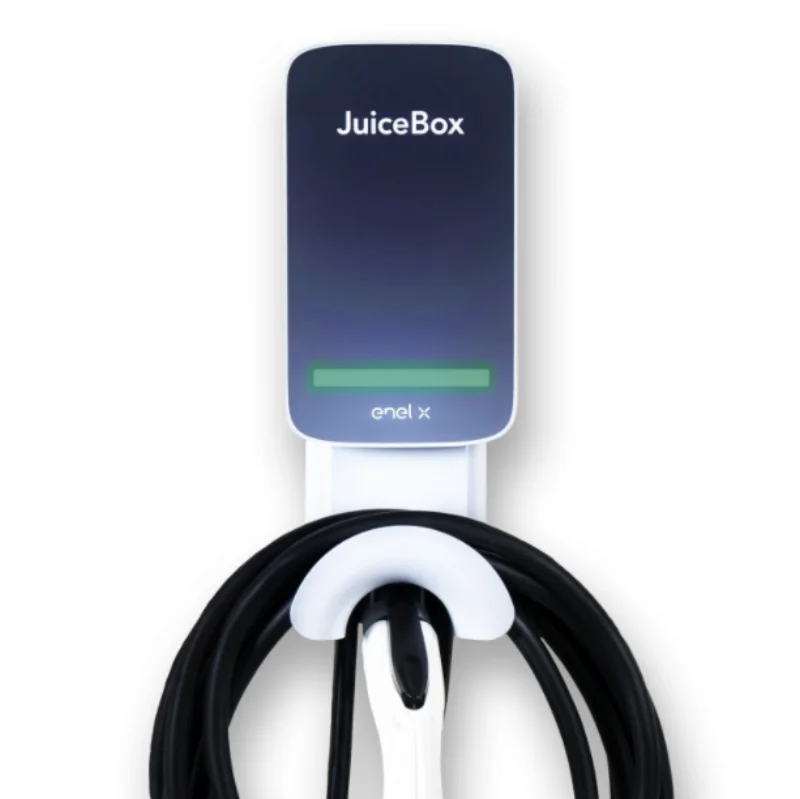
48A networked L2, cellular, CT approved products list
Connecticut offers the EnergizeCT Electric Vehicle Charging Program, administered jointly by Eversource and United Illuminating under PURA Docket 17-12-03RE04. For workplace deployments, employers receive up to 50 percent of networked Level 2 charger hardware cost (typically $3,500 to $5,500 per port) plus 100 percent of utility-side make-ready infrastructure. The program covers workplace, light-duty fleet, public L2, multifamily, and DC fast charging segments. The federal Section 30C credit expired June 30, 2026, so current projects stack the EnergizeCT rebate with 100 percent utility-side make-ready.
EnergizeCT — EV Charging Programs
Statewide Eversource + UI joint program portal.
Eversource CT Business
Commercial EV program enrollment & rate schedules.
United Illuminating (UI)
Business energy and EV tariff offerings (Avangrid).
IRS Form 8911 — Section 30C
Federal Alternative Fuel Refueling Property Credit.
PURA Docket 17-12-03RE04
Connecticut EV Charging Program authorizing docket (Public Utilities Regulatory Authority).
Last verified by NuWatt Incentive Team on 2026-04-14. EnergizeCT incentive tiers, EJ community enhancements, and DCFC competitive processes are actively reviewed by PURA. Confirm the current program year’s terms before committing to a project scope.
NuWatt designs EnergizeCT-compliant workplace EV charger projects across Eversource and UI territory, capturing the full 50% EVSE rebate and 100% utility-side make-ready.
