Loading NuWatt Energy...

We use your location to provide localized solar offers and incentives.
We serve MA, NH, CT, RI, ME, VT, NJ, PA, and TX
Loading NuWatt Energy...
NuWatt designs, installs, and manages solar, battery, heat pump, and EV charger systems across 9 states. One company, one warranty, one point of contact.
Get a Free Quote
A guide for HOA boards, condo associations, and apartment asset managers: how to capture PSE&G's $11,100 utility make-ready plus $6,700 per port at your property — the original window ran through July 15, 2026; verify current program status before budgeting. Section 30C, the federal charger credit, expired June 30, 2026 and no longer applies.
A typical 10-port Level 2 install at an NJ apartment or condo runs $90,000–$260,000 before incentives in 2026. After PSE&G's $11,100 utility make-ready plus $6,700 per port customer make-ready (up to 10 ports, deadline July 15, 2026), HOA net cost typically drops 55–75%. Section 30C (the federal 6–30% charger credit) expired June 30, 2026 and no longer applies.
PSE&G's EV Program and JCP&L's EV Driven were approved through July 15, 2026(or fund exhaustion), and the NJBPU has directed utilities to continue current programs while extensions are processed — check evportal.pseg.com for the live status. Section 30C expired June 30, 2026 and no longer applies. Boards planning installs should verify what is currently open before budgeting.
New Jersey has more apartment and condominium parking capacity per capita than any other mid-Atlantic state, the nation's fifth-highest EV registration share, and a Board of Public Utilities that approved $166 million of dedicated multifamily EV funding through PSE&G. In Q1 2026, roughly 11% of new-vehicle registrations in Bergen, Hudson, Essex, and Middlesex counties were battery-electric — higher than the state average. For HOA boards and asset managers, the numbers penciled out in 2024, they pencil out harder in 2026 — and with the originally approved make-ready window having run through July 15, 2026, boards should verify the live program status before counting on it.
NuWatt works with condo boards, HOA management companies, and apartment REITs across North, Central, and South Jersey to file PSE&G and JCP&L applications, coordinate town-level electrical and zoning approvals, and install networked L2 charging paired with resident-billing platforms so non-EV residents do not subsidize EV drivers.
$11,100
Utility make-ready per site
$6,700
Per port customer side
10
Max ports/property
Jul 15
PSE&G / JCP&L cutoff
Representative 2026 pricing for NJ multifamily projects before incentives:
| Project profile | Install range | Typical net after NJ stack | Typical building |
|---|---|---|---|
| 4 ports | $38K–$85K | $12K–$28K | 25–40 unit condo |
| 8 ports | $72K–$165K | $22K–$55K | 50–75 unit apartment |
| 10 ports (PSE&G cap) | $90K–$220K | $30K–$80K | 75–125 unit complex |
| 16+ ports (phased) | $150K–$380K | $60K–$160K | 150+ unit garden apartment |
Ranges assume networked L2 hardware with resident billing (SWTCH, Xeal, EVPassport, ChargePoint), surface-lot trenching up to 200 ft, panel or sub-panel install, and 3 years of networking service. Projects in structured parking garages, or projects requiring new transformer pads, land at the high end of each range.
ACE serves South Jersey — Atlantic, Cape May, Cumberland, Gloucester, Salem counties, and parts of Burlington and Camden. Its EV Plan offers smaller per-port rebates plus managed-charging incentives for smart chargers that participate in demand-response events. Seasonal shore multifamily (Cape May, Ocean City, Atlantic City high-rises) is a growing use case.
NJBPU oversight.All three utility EV programs were approved and are regulated by the New Jersey Board of Public Utilities. The NJBPU periodically rebalances budgets between tracks and adjusts per-port caps. Recent BPU orders have preserved the PSE&G multifamily tier at current levels through the program end date.
Yes, and it is the single largest reason NJ multifamily EV projects pencil in 2026. PSE&G's make-ready runs on both sides of the meter:
PSE&G designs, permits, and installs the infrastructure from the street to your property line: transformer capacity, service drop, meter upgrade, and primary trenching. The property owner pays nothing for this work. PSE&G owns the equipment up to the meter.
On your side of the meter, PSE&G reimburses up to $6,700 per Level 2 port for the conduit, panel or sub-panel, trench on property, pedestal or wall mount, and labor. Networked L2 chargers required. Capped at 10 ports per multifamily property.
Eligible multifamily includes apartments, condominiums, townhouse associations, mixed-use residential above retail, and garden-style HOAs. Applications are filed through the PSE&G EV Portal (evportal.pseg.com). PSE&G issues a design letter within 2–4 weeks, after which the property hires a contractor for customer-side work. Commissioning triggers reimbursement.
No longer. Section 30C, the federal Alternative Fuel Vehicle Refueling Property Credit, expired for property placed in service after June 30, 2026and no longer applies. PSE&G and JCP&L's make-ready programs were approved through July 15, 2026 with NJBPU direction to continue during the extension process — verify current status — and the Charge Up NJ rebate ($250) plus off-peak (time-of-use) charging rates remain available.
Section 30C covered 6% of customer-side basis remaining after utility rebates, rising to 30% with prevailing wage + apprenticeship (PWA). Cap: $100,000 per item (each port, each dispenser). The parcel had to be in an IRS-designated low-income or non-urban census tract. Non-qualifying census tracts were common in North Jersey: dense parts of Hoboken, Jersey City waterfront, and downtown Morristown frequently failed the tract gate; Paterson, Trenton, Camden, Newark, and most of the Jersey Shore typically qualified.
Bergen, Hudson, Essex, Passaic, Union — overwhelmingly PSE&G territory with JCP&L in west Bergen. High EV density (11% Q1 2026 new-vehicle share). Dense structured-parking condos in Hoboken, Jersey City, Fort Lee, Edgewater need wheel-stop and gate-controlled access planning.
Middlesex, Monmouth, Mercer, Somerset, Hunterdon — mixed PSE&G and JCP&L. Garden-style apartment complexes in Edison, New Brunswick, Princeton Junction, and Red Bank dominate the multifamily mix. Surface parking makes trenching faster and cheaper.
Atlantic, Camden, Burlington, Cape May, Gloucester — Atlantic City Electric (ACE) plus PSE&G in Burlington and parts of Camden. Shore condo towers (Cape May, Ocean City) and townhouse HOAs across Cherry Hill and Voorhees are the main multifamily buyers.
Board-packet economics
Net-cost model with PSE&G make-ready baked in (Section 30C expired June 30, 2026), plus a resident billing-revenue projection. Non-EV residents should see zero common-area cost increase.
Parking allocation plan
Which stalls become EV-only vs dual-use, signage, ADA compliance, wheel-stops.
Billing-platform choice
SWTCH, Xeal, EVPassport, or ChargePoint with rate-markup details.
Installation calendar
Resident notice, construction timeline, and punch-list sign-off responsibility.
Deadline callout
Explicit call-out that PSE&G/JCP&L close July 15, 2026 (Section 30C already expired June 30, 2026) — the board is deciding whether to capture the make-ready package or not.
Approved hardware
All four meet PSE&G Approved Products List and support per-resident billing via SWTCH, Xeal, or EVPassport.
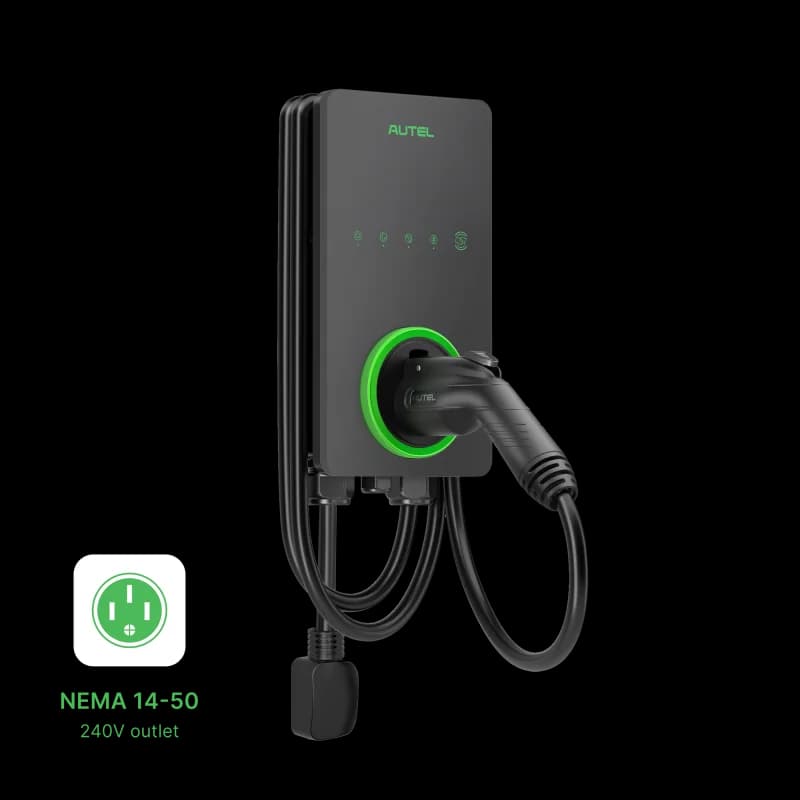
40A networked L2, OCPP 1.6J, load balancing across up to 6 units
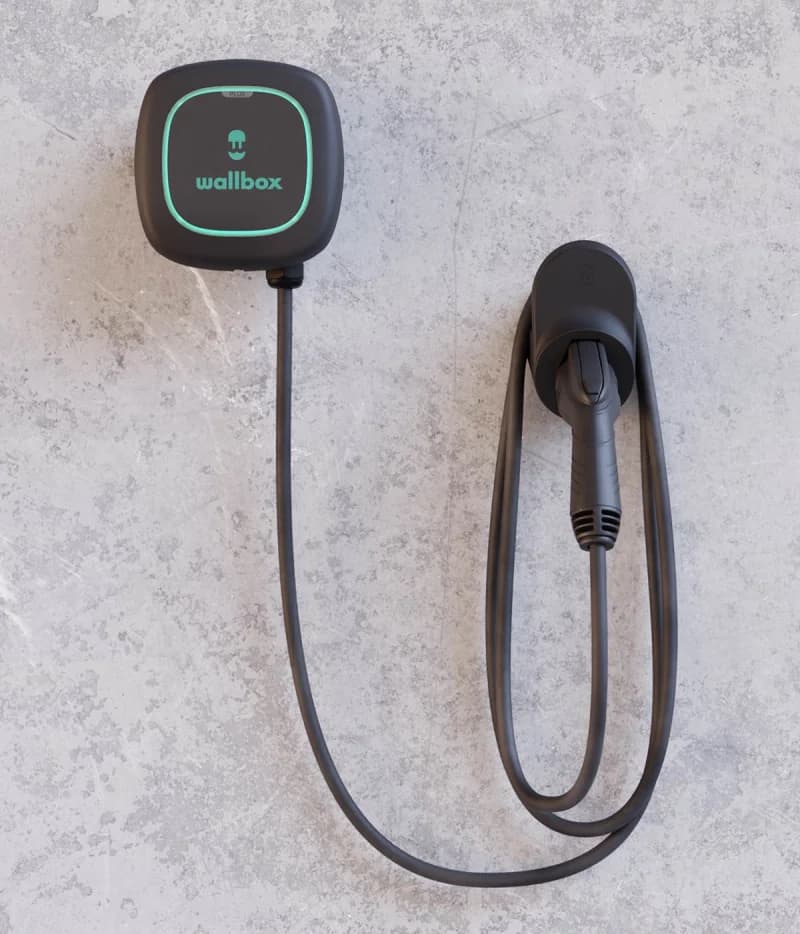
40–48A L2, dynamic load sharing to 24 ports, Xeal/SWTCH ready
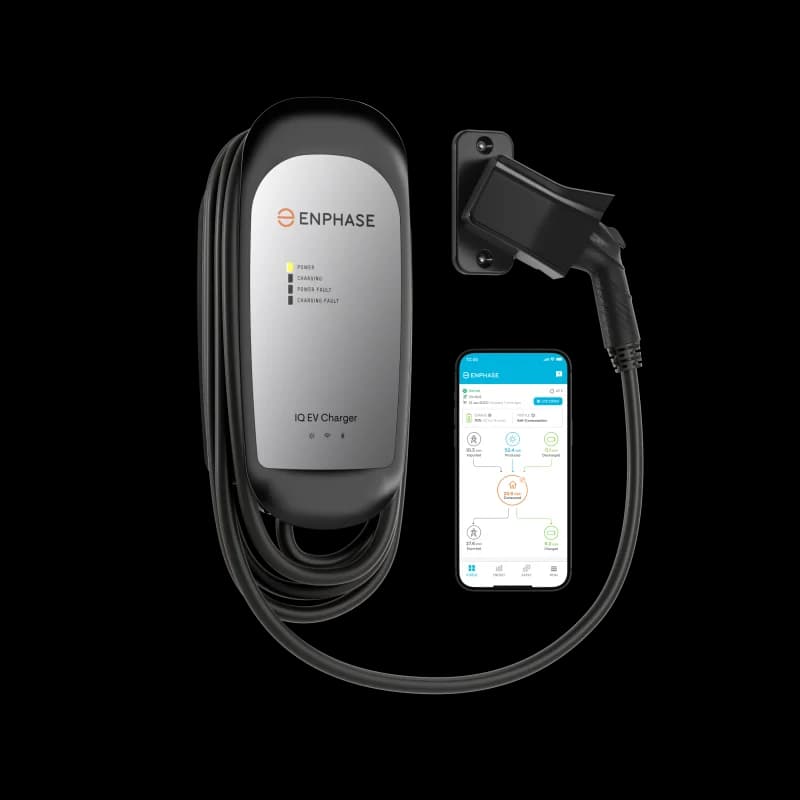
48A L2 with native Envoy integration for canopy solar offset
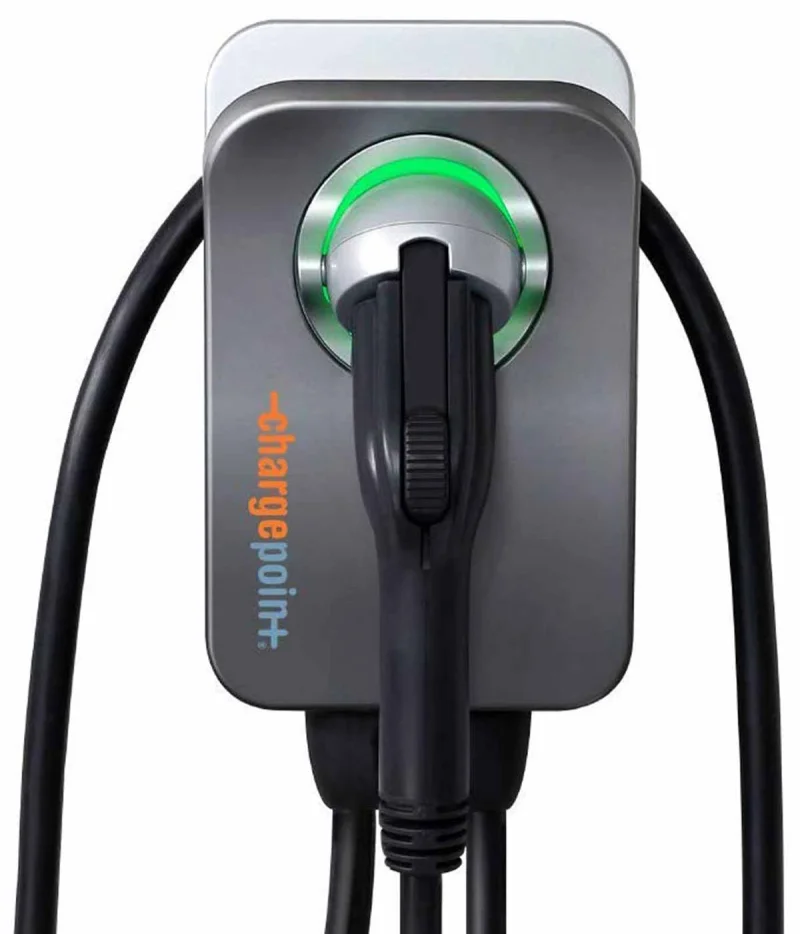
50A networked L2 with OCPP firmware and session metering
Incentive stack
Representative 8-port PSE&G multifamily project. Section 30C (the federal 30% PWA charger credit) expired June 30, 2026 and no longer applies; file utility reimbursement by July 15.
Gross project
$100,000
8 ports × $12.5K networked L2 + trench + panel
Net after stack
$21,560
PSE&G utility make-ready
Transformer, service drop, primary trench — utility side
−$11,100
PSE&G customer make-ready
$6,700 × 8 ports (cap 10/property)
−$53,600
Section 30C @ 30% PWA
Expired June 30, 2026 — no longer available
$0
Resident-billing revenue (3 yr NPV)
$0.05/kWh markup × ~2,900 kWh/port/yr
−$13,740
Section 30C expired June 30, 2026 and no longer applies to ports placed in service after that date. Net reflects PSE&G make-ready plus resident-billing revenue only.
A typical 10-port shared-parking Level 2 installation at a New Jersey apartment or condo complex runs $90,000 to $260,000 before incentives in 2026. Hardware runs $3,800 to $7,200 per networked port (SWTCH, Xeal, EVPassport, ChargePoint, Blink), with most of the spread in trenching, conduit, panel or transformer work, and MUD-specific billing software. After PSE&G's $11,100 utility make-ready plus $6,700 per port customer make-ready (up to 10 ports, deadline July 15, 2026), HOA or owner net cost typically lands 55–75% lower. Section 30C, the federal 6–30% charger credit, expired June 30, 2026 and no longer applies to ports placed in service after that date.
PSE&G EV Portal
Program terms, application portal, and reimbursement deadline.
JCP&L — EV Driven Program
FirstEnergy NJ utility make-ready and per-port incentives.
Atlantic City Electric — EV Plan
South Jersey utility per-port rebates and managed-charging.
NJBPU — EV & Charging Infrastructure
NJ Board of Public Utilities EV program oversight docket.
IRS Form 8911 Instructions — Section 30C
Federal Alternative Fuel Vehicle Refueling Property Credit (ended June 30, 2026 under OBBB).
Last verified by NuWatt Incentive Team on 2026-04-14.
We handle the EV Portal submission, HOA board packet, and install, with reimbursement filed by July 15. Section 30C expired June 30, 2026 and no longer applies.