Loading NuWatt Energy...

We use your location to provide localized solar offers and incentives.
We serve MA, NH, CT, RI, ME, VT, NJ, PA, and TX
Loading NuWatt Energy...
NuWatt designs, installs, and manages solar, battery, heat pump, and EV charger systems across 9 states. One company, one warranty, one point of contact.
Get a Free Quote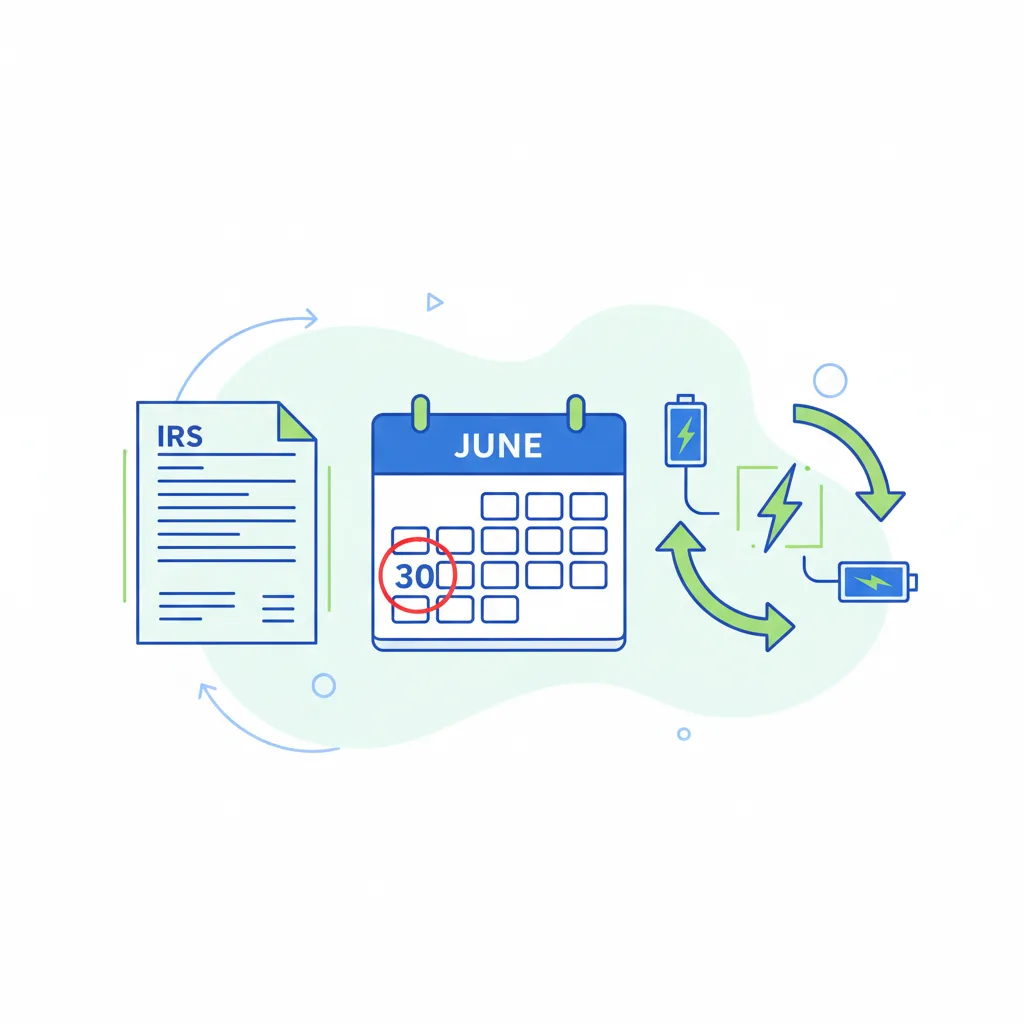
Pennsylvania’s Alternative Fuels Incentive Grant (AFIG) funds up to 50% of commercial EV charger projects, capped at $300,000 per application and $500,000 per applicant across the $5 million FY 2025-26 cycle. The April 1 Phase 1 window has closed; October 7, 2026 is the last PA DEP opportunity in the current cycle. The federal Section 30C credit expired June 30, 2026. Here is how to build a winning AFIG application, stack it with utility make-ready, and what to expect from PA DEP review.
AFIG is Pennsylvania's state grant program, administered by PA DEP, that reimburses up to 50 percent of eligible EV charging project costs, capped at $300,000 per application. The FY 2025-26 cycle has $5 million. Phase 1 closed April 1; Phase 2 deadline is October 7, 2026.
50%
Of eligible project cost
$300K
Cap per application
7.2kW
Concurrent per plug required
Oct 7
Phase 2 deadline, 4 PM ET
Missed window
April 1, 2026
Phase 1 closed — awards post mid-summer 2026.
Active window
October 7, 2026
4:00 PM ET via eGrants portal. Prep 60–90 days.
Federal layer gone
Section 30C expired Jun 30
Expired June 30, 2026; Phase 2 builds stack AFIG + utility only.
AFIG reimburses up to 50 percent of eligible EV charging project costs, capped at $300,000 per individual application. A single applicant cannot receive more than $500,000 across all applications in one funding cycle. Eligible costs include networked Level 2 hardware, installation labor, electrical panel upgrades, conduit, trenching, signage, and project management. Historical averages (see table below) show most Pennsylvania EV charging awards land in the $60,000 to $150,000 range, with the largest multi-site workplace and school district projects reaching the $300K per-application cap. DEP reviewers prioritize cost per ton of displaced CO2, environmental justice area proximity, applicant match, and project readiness — strong applications include firm vendor quotes and a utility service letter confirming capacity.
| Cycle | Total awarded | Average award | Notes |
|---|---|---|---|
| FY 2023-24 | $4.2 million across 37 awards | $113,500 | Lehigh Valley logistics hub, SEPTA regional parking, UPMC hospital campuses all funded. |
| FY 2024-25 | $4.9 million across 41 awards | $119,500 | PA Turnpike rest areas, Millersville University, Pittsburgh International Airport cargo. |
| FY 2025-26 | Phase 1 (April 1) closed — awards TBA | Phase 2 still open | Bias toward workplace + school district projects; DCFC corridor projects receiving fewer awards now that NEVI re-opened. |
The FY 2025-26 cycle has two windows. Phase 1 (April 1, 2026) has closed. Phase 2 (October 7, 2026) is the last opportunity to submit against the current $5 million allocation. A Phase 1 award typically posts to DEP’s eGrants system 90 to 120 days after the deadline — expect Phase 1 results mid-summer 2026.
Phase 1
April 1, 2026
Closed — awards pending
Phase 2 — active
October 7, 2026
4:00 PM Eastern via eGrants portal
Next cycle (tentative)
Spring 2027
Two-phase pattern expected; not yet confirmed by DEP
AFIG funds networked Level 2 charger projects — single-plug residential or light-commercial installs do not qualify. The six technical criteria below are pulled directly from PA DEP’s most recent Program Opportunity Notice. Missing any one of them is the most common reason an otherwise strong application gets rejected in the technical scoring round.
Minimum charger count
2 or more Level 2 plugs at a single address. Single-plug installations are ineligible.
Concurrent power output
Each plug must deliver 7.2 kW (30 amps at 240V) simultaneously — load-sharing schemes that throttle below 7.2 kW concurrent do not qualify.
Networked connectivity
Chargers must be networked (Wi-Fi, cellular, or Ethernet) and report usage data to the station owner. Dumb chargers are rejected.
Open Charge Point Protocol
OCPP 1.6J or newer recommended so the site can migrate between networks if the original operator exits the market.
ENERGY STAR & ADA
Hardware should be ENERGY STAR certified where applicable, and at least one port must be ADA-accessible per the site plan.
Minimum operational period
Awardees commit to keeping chargers operational and publicly or tenant-accessible for at least five years post-commissioning.
AFIG is broad on applicant type but strict on business registration. Individual homeowners are not eligible. For-profit businesses must be registered with the PA Department of Revenue and in good standing with the Commonwealth. Tax-exempt entities (municipalities, schools, 501(c)(3)s) are eligible; their federal Section 30C direct-pay option expired June 30, 2026.
For-profit businesses
Typical examples: Office parks, industrial properties, retail, hospitality, logistics hubs
Most common applicant category — requires PA tax registration and good standing with Department of Revenue.
Municipalities & counties
Typical examples: City halls, municipal lots, town garages, county campuses
Direct pay via Section 30C expired June 30, 2026; AFIG remains the primary capture.
School districts & public higher ed
Typical examples: K-12 bus depots, college parking structures, community college campuses
PA DEP historically favors education applicants; often awarded at or near the $300K cap.
501(c)(3) nonprofits
Typical examples: Hospitals, museums, faith-based campuses, senior living, community centers
Section 30C direct pay expired June 30, 2026; AFIG awards can pair with utility make-ready where available.
Authorities & commissions
Typical examples: Parking authorities, transit agencies, port authorities, redevelopment authorities
Often score well on state priority criteria like environmental justice area proximity.
AFIG applications run through PA DEP’s eGrants portal. A well-prepared application takes 60 to 90 days to assemble, primarily because vendor quotes, utility service letters, and matching-funds letters have their own lead times. Do not start an application in the final three weeks before the deadline.
Confirm site eligibility
Verify the property is in Pennsylvania, has 200A service (or upgradeable), has electrical capacity for the proposed ports, and sits within your utility service territory (PECO, PPL, Duquesne Light, FirstEnergy Met-Ed/Penelec/West Penn).
Select and quote hardware
Obtain firm written quotes for 2+ Level 2 networked chargers plus all electrical work. DEP requires itemized vendor quotes, not estimates. NuWatt typically quotes ChargePoint CP6000, Blink Series 8, or EV Connect networked L2 units for AFIG applications.
Build the eGrants application
Register in PA DEP eGrants portal, upload site map, electrical single-line diagram, cost narrative, matching-funds letter, and a five-year operations plan. Allow 60-90 days of lead time before the October 7 deadline.
Submit before 4:00 PM on deadline day
Applications submitted after 4:00 PM on October 7, 2026 are rejected regardless of quality. Upload well before — eGrants slows down in the final hours of the window.
Award notification and grant agreement
PA DEP typically notifies awardees within 90-120 days of the deadline. Award becomes a grant agreement; project must start within 12 months and complete within 24 months.
Install, commission, and invoice
AFIG reimburses after installation. You front the capital, submit paid invoices and commissioning reports, and DEP wires reimbursement typically 30-60 days after approval.
The most important stacking detail: the federal Section 30C credit expired June 30, 2026. Phase 1 awardees whose projects were placed in service on or before that date captured the federal credit layer. Phase 2 (October 7) awardees will complete construction after that date and have only AFIG plus utility rebates to stack. This materially changes the economics.
Worked example
10-port networked L2 at a PA office park ($85,000 equipment + installation)
| Project cost before any incentives | $85,000 |
| AFIG grant (up to 50% of eligible costs, capped at $300K) | −$42,500 |
| Section 30C federal credit (illustrative — expired June 30, 2026) | −$5,100 |
| Utility make-ready (PECO/PPL/Duquesne where available) | −$8,000 |
| Net capital after stack | $29,400 |
The Section 30C line shown here expired June 30, 2026 — this net figure is illustrative of pre-expiration economics. While the credit was active it required the site to sit in an IRS-designated low-income or non-urban census tract (not every PA site qualified). Current AFIG projects stack the grant with utility make-ready.
AFIG-compliant hardware
All three deliver the full 7.2 kW per plug concurrentthat PA DEP requires — load-sharing units that throttle below 7.2 kW fail the technical scoring round.
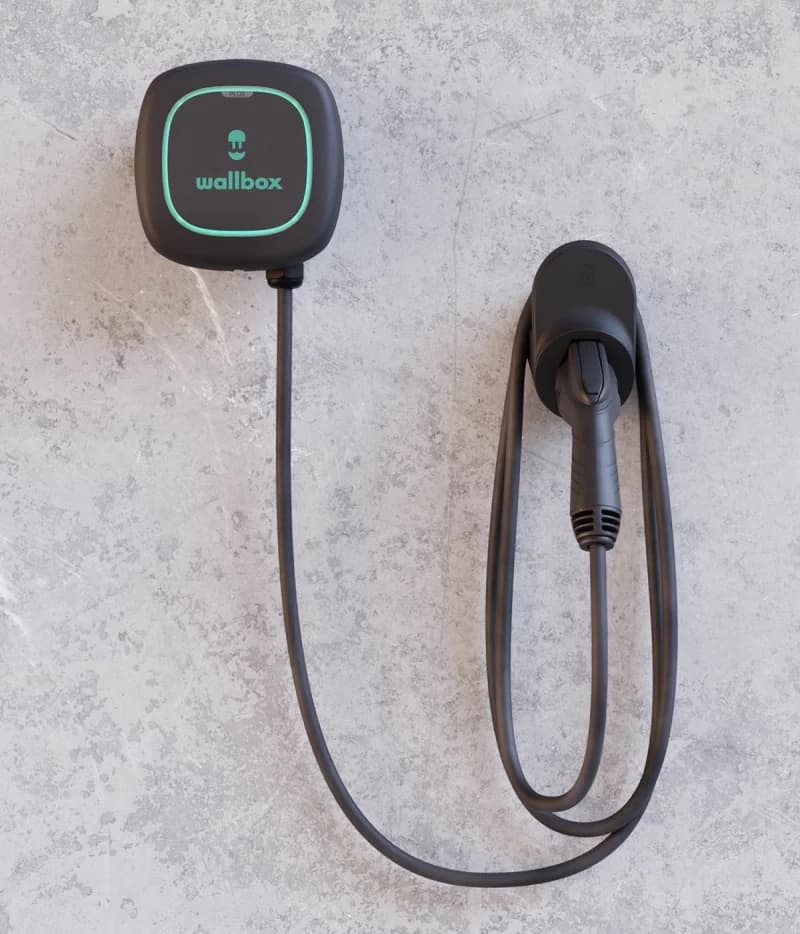
40A L2 delivering full 7.2kW per plug, OCPP 1.6J, 2+ plug sites
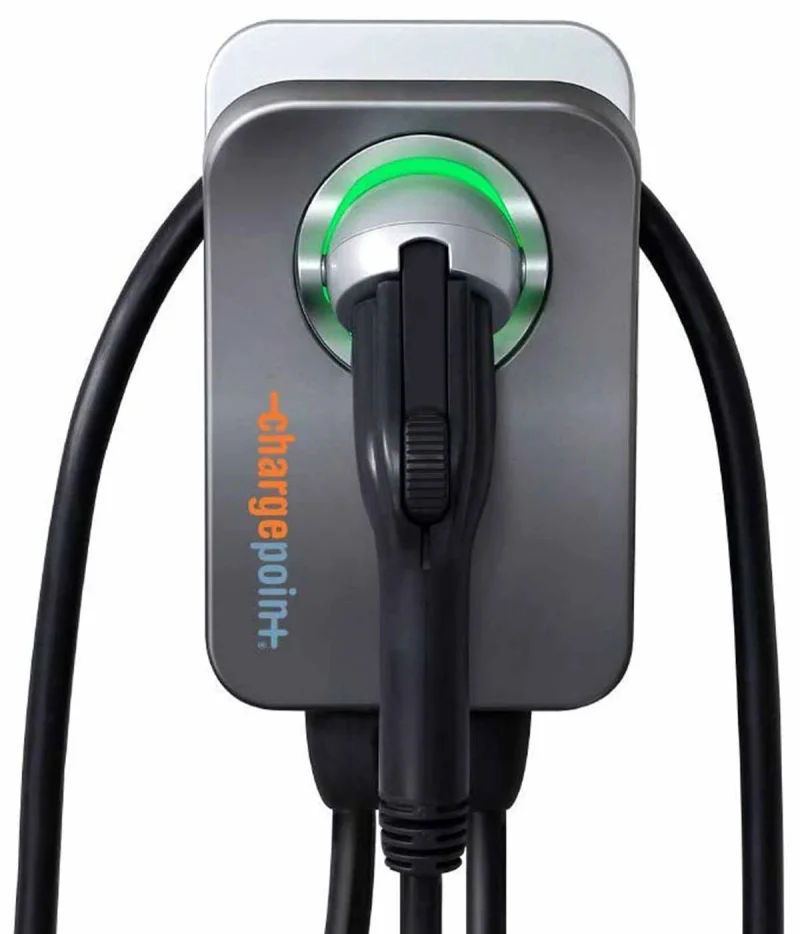
50A networked L2, OCPP, session metering, SSO integration
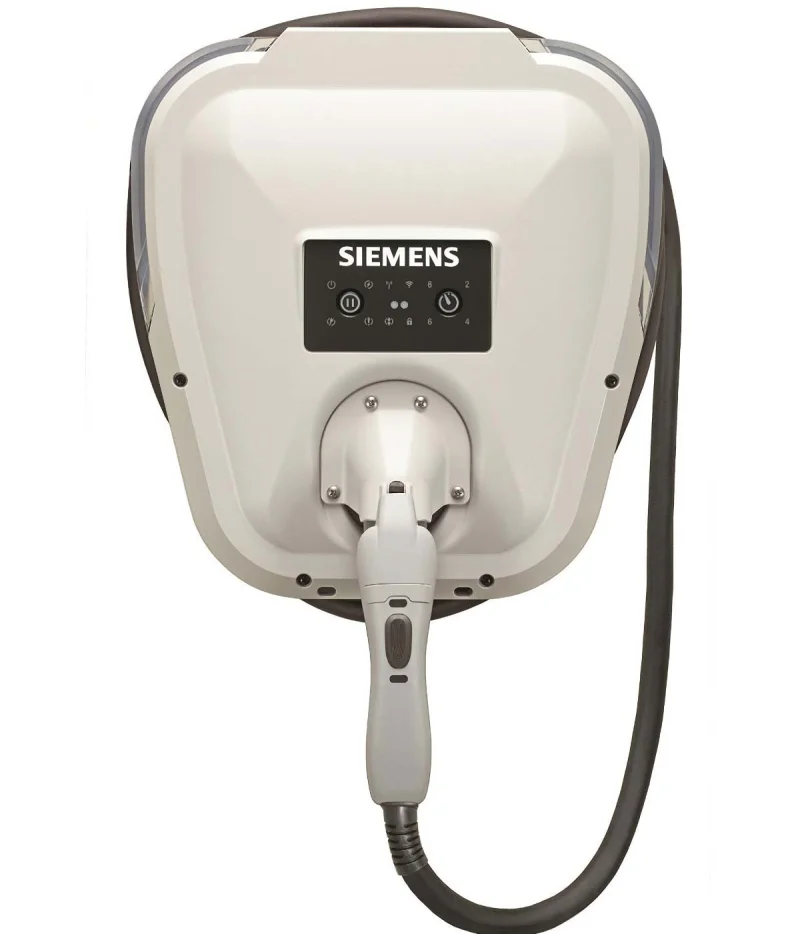
32–48A L2, NEMA 4 enclosure, 7.2kW+ concurrent per plug
The Alternative Fuels Incentive Grant (AFIG) is Pennsylvania's flagship state-funded program for alternative fuel vehicle infrastructure, administered by the PA Department of Environmental Protection (DEP) Energy Programs Office. For fiscal year 2025-26, AFIG has $5 million allocated, split across two application deadlines. EV charging infrastructure is the largest category of awards, though the program also covers CNG, LNG, propane, hydrogen fueling, and alternative fuel vehicle acquisition. Businesses, municipalities, schools, and nonprofits in Pennsylvania can apply.
PA DEP — AFIG program page
Current Program Opportunity Notice and eligibility rules.
PA DEP Energy Programs Office
Administering office and eGrants application portal.
IRS Form 8911 Instructions
Section 30C federal credit (expired June 30, 2026 under OBBB).
Historical AFIG award data
PA DEP annual reports (FY 2023-24 and FY 2024-25 award totals).
Last verified by NuWatt Incentive Team on 2026-04-14. Program amounts, deadlines, and eligibility criteria are set by PA DEP and can change between funding cycles. Confirm current Program Opportunity Notice on dep.pa.gov before preparing an application.
NuWatt writes, submits, and manages AFIG applications for workplace, municipal, school, and nonprofit EV charger projects across PA. Phase 2 deadline is October 7, 2026.
