Loading NuWatt Energy...

We use your location to provide localized solar offers and incentives.
We serve MA, NH, CT, RI, ME, VT, NJ, PA, and TX
Loading NuWatt Energy...
NuWatt designs, installs, and manages solar, battery, heat pump, and EV charger systems across 9 states. One company, one warranty, one point of contact.
Get a Free Quote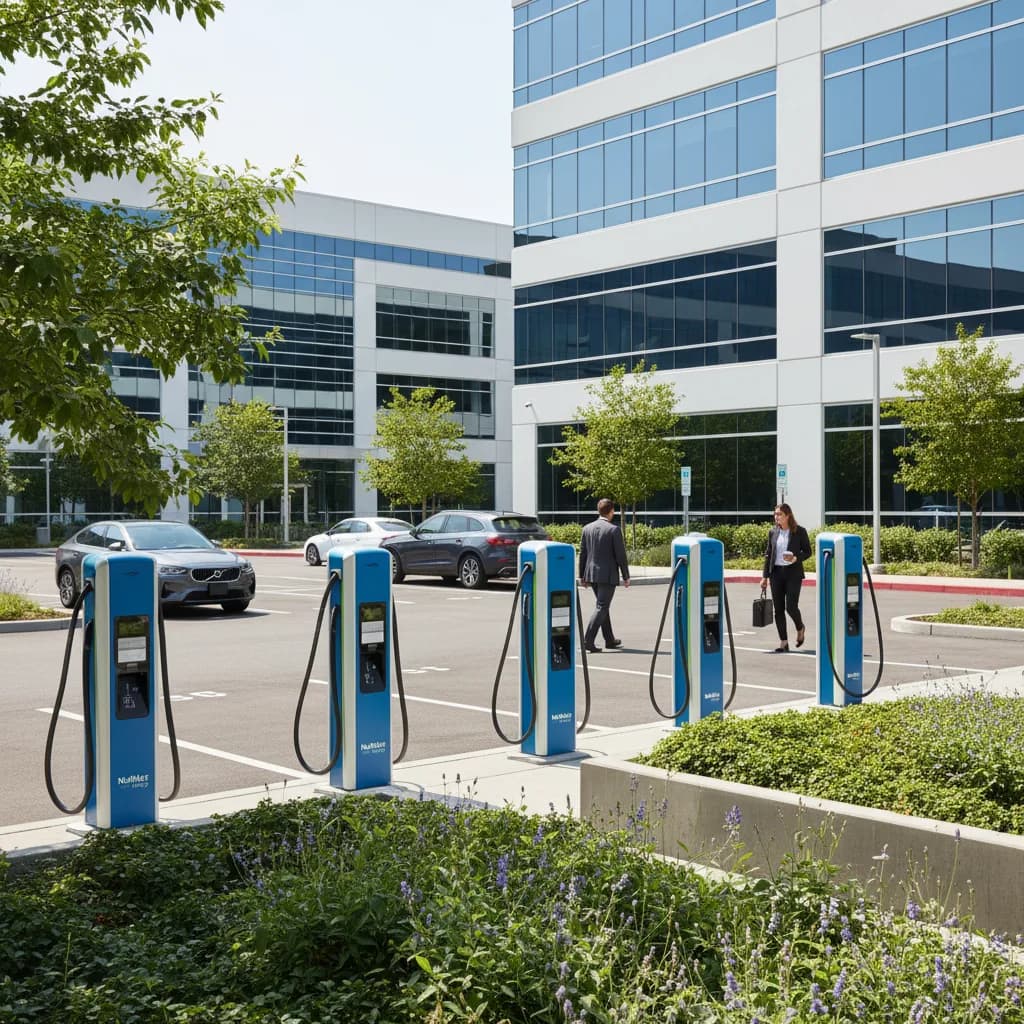
Pennsylvania employers are deploying workplace EV charging to retain talent and meet ESG commitments. This guide covers real cost ranges for Philadelphia, Pittsburgh, Harrisburg, and rural PA workplaces, the four major utilities’ current programs (PECO, PPL, Duquesne Light, FirstEnergy), how to stack AFIG grants with utility make-ready, and hardware selection for offices ranging from a 2-port dental practice to a 30-port Class A corporate HQ. The federal Section 30C credit expired June 30, 2026.
A 2-to-4 port workplace L2 install in PA runs $14K-$38K; 6-to-10 ports run $42K-$95K; 12-to-25 ports run $110K-$285K; 30+ ports run $260K and up. Stack the PA AFIG grant and utility make-ready to cut net capital. The federal Section 30C credit expired June 30, 2026 and no longer applies.
$14K–$285K
Typical PA workplace range
50%
AFIG reimbursement
35–50%
Utility off-peak TOU savings
60–150d
Delivery cycle
Workplace EV charger cost in Pennsylvania depends on port count, electrical capacity at the site, utility territory, and city. The four cost bands below reflect NuWatt’s real 2025-26 PA project pipeline, not vendor marketing averages. Each band includes equipment, installation labor, make-ready, load management, and permits.
Small workplace (2–4 L2 ports)
$14,000–$38,000
Line items: Equipment $4,800–$12,000; install $6,000–$18,000; make-ready $2,000–$6,000; permits $400–$800
Typical PA examples: Dental office in Wayne, small law firm in Harrisburg, accounting firm in Bethlehem
Mid-sized office (6–10 L2 ports)
$42,000–$95,000
Line items: Equipment $14,400–$30,000; install $18,000–$45,000; make-ready $8,000–$16,000; load-mgmt $1,500–$4,000
Typical PA examples: Engineering firm in King of Prussia, mid-size hospital in Allentown, community college in Lancaster
Large workplace (12–25 L2 ports)
$110,000–$285,000
Line items: Equipment $28,800–$75,000; install $45,000–$120,000; make-ready $25,000–$75,000; load-mgmt $4,000–$10,000; panel upgrade $8,000–$18,000
Typical PA examples: Corporate HQ in Plymouth Meeting, manufacturing admin in York, university parking deck in State College
Campus / office park (30+ ports)
$260,000–$750,000+
Line items: Equipment $72,000–$180,000; install $120,000–$330,000; make-ready $60,000–$180,000; switchgear $20,000–$60,000
Typical PA examples: UPMC campus in Pittsburgh, Comcast HQ in Philadelphia, Penn State Berkey Creamery lot in State College
Pennsylvania has four major investor-owned utilities plus several cooperatives. Each has distinct EV program posture in 2026. Always verify current offerings with a utility commercial account rep before committing to a project scope — EV tariffs move through PUC rate cases and change year to year.
PECO (Exelon)
Philadelphia, Chester, Bucks, Delaware, Montgomery, York counties
Current offering: EV Smart Driver TOU rate for L1/L2 residential; commercial make-ready and TOU rate structures available through rate case filings. Contact PECO commercial account rep for current workplace pilot details.
PECO has filed multiple EV-related tariff updates with the PA PUC; program details change with rate cases.
PPL Electric Utilities
Lehigh Valley, Harrisburg, Lancaster, Scranton, Wilkes-Barre, central PA
Current offering: Commercial time-of-use rate options reduce overnight workplace charging cost by roughly 35–50% vs standard C&I rate. PPL has piloted infrastructure support and managed-charging trials.
PPL territory covers 29 counties; rural-county workplaces frequently sit in non-urban census tracts (the basis for the now-expired Section 30C credit).
Duquesne Light
Pittsburgh and Allegheny County
Current offering: EV-specific commercial rate schedules and historical pilot rebates for networked L2 installations. Duquesne has been active in the PUC EV workgroup.
Pittsburgh has several IRS-designated low-income census tracts (the basis for the now-expired Section 30C credit).
FirstEnergy (Met-Ed, Penelec, West Penn Power)
Reading, Erie, State College, Altoona, York, Williamsport regions
Current offering: Limited dedicated EV workplace incentives at time of writing. Standard C&I rate with optional TOU schedules where filed.
FirstEnergy EV programming has lagged PECO, PPL, and Duquesne; watch for 2026 rate case filings.
No longer — Section 30C applied only through June 30, 2026, and the OBBB Act accelerated that sunset. For business property, Section 30C had provided 6 percent of project cost (up to $100,000 per charging port) without prevailing wage and apprenticeship compliance, or 30 percent with PWA, for sites in an IRS-designated low-income or non-urban census tract. It is no longer available for property placed in service after June 30, 2026 — PA workplaces now plan around AFIG grants and utility EV programs.
Status
Expired
As of June 30, 2026 — no longer available
Credit rate
6% / 30%
6% base, 30% with PWA compliance
Cap
$100K / port
Per charging port, fuel dispenser, or storage property
Here is how the stack plays out for a typical PPL-territory workplace in a non-urban census tract. This scenario assumes the Phase 2 AFIG award comes through. Section 30C expired June 30, 2026, so it is no longer part of the stack.
Scenario
8-port networked L2 at a Harrisburg engineering firm (PPL territory, non-urban census tract)
| Total project cost | $68,000 |
| AFIG grant award (assumes Oct 7, 2026 Phase 2 award at 50% of eligible costs) | -$28,000 |
| PPL commercial TOU savings, year 1 operations (not capital, reduces lifecycle cost) | ~$2,200/yr |
| Net capital after AFIG | $40,000 |
Section 30C expired June 30, 2026, so PA workplace projects energized after that date no longer capture the federal charger credit — plan around AFIG and utility programs (PPL commercial TOU here). AFIG remains the primary capital offset.
Pennsylvania workplaces split cleanly into four regional profiles. Each has different electrical realities, buyer personas, Section 30C census-tract history (now expired), and AFIG fit. Use the table below to benchmark your site.
Philadelphia & Main Line suburbs
Buyer persona
Facilities director or property manager at Class A office, life-sciences campus, or legal/financial HQ
Electrical reality
PECO urban territory; older building stock in Center City often needs panel upgrades. Plymouth Meeting / King of Prussia new-build Class A offices typically have 400-600A service already.
Section 30C (expired June 30, 2026)
Large swaths of Philadelphia qualified as low-income census tracts under the now-expired Section 30C credit; Main Line suburbs often did not. Section 30C expired June 30, 2026.
AFIG fit
Strong fit — DEP historically funds workplace EV projects in Southeastern PA at the $150K-$300K range.
Typical deal: $45K–$220K, 75–150 day cycle
Pittsburgh & Allegheny County
Buyer persona
Ops or sustainability lead at healthcare (UPMC, AHN), tech/robotics firm (Strip District, Lawrenceville), or university (Pitt, CMU) employer
Electrical reality
Duquesne Light service; steel-era buildings often need switchgear work. Newer Strip District, East Liberty, and Oakland developments usually charger-ready.
Section 30C (expired June 30, 2026)
Multiple Pittsburgh neighborhoods were IRS low-income census tracts under the now-expired Section 30C credit, which ended June 30, 2026.
AFIG fit
Strong fit, especially for healthcare campus and university projects; DEP weights environmental justice area proximity in scoring.
Typical deal: $50K–$185K, 90–180 day cycle
Harrisburg, Lancaster & Lehigh Valley
Buyer persona
Facilities manager at logistics / distribution campus, state-agency office, healthcare system, or mid-size manufacturer
Electrical reality
Mostly PPL territory; many suburban and rural sites are non-urban census tracts (the basis for the now-expired Section 30C credit).
Section 30C (expired June 30, 2026)
Had the most favorable 30C landscape in PA — large portions of PPL territory are non-urban per IRS census mapping — but Section 30C expired June 30, 2026.
AFIG fit
Very strong fit; Lehigh Valley logistics corridor and state-agency workplaces are frequent AFIG awardees.
Typical deal: $38K–$165K, 75–150 day cycle
Erie, Altoona & rural PA
Buyer persona
Plant manager or ops lead at mid-market manufacturer, regional hospital, or county government facility
Electrical reality
FirstEnergy territory dominates; fewer utility EV programs, though rural census designation had made 30C eligibility broad before it expired.
Section 30C (expired June 30, 2026)
Nearly universal non-urban census-tract status once made 30C eligibility broad here; Section 30C expired June 30, 2026 and no longer applies.
AFIG fit
Good fit — DEP likes projects in under-served areas, and application competition is lower than Southeastern PA.
Typical deal: $32K–$120K, 90–180 day cycle
For Pennsylvania workplace installations, NuWatt specs three networked Level 2 platforms: ChargePoint’s CP6000 series (best for enterprise access control and SSO integration), Blink Series 8 (best for sites where AFIG reporting is important — Blink’s data exports streamline the five-year operational requirement), and EV Connect 7.2 kW pedestal-mount units (best price-per-port on multi-site deployments). All three satisfy AFIG’s technical requirements of 2+ plugs at 7.2 kW concurrent with OCPP-compatible networking.
Philadelphia buildings with constrained electrical capacity benefit from adding a load management layer (SemaConnect or Xeal for mixed-use sites, or native load-sharing through ChargePoint Station Groups). Load management often eliminates the need for a service upgrade, which can save $8,000 to $18,000 on mid-sized projects. For Main Line Class A office parks with dedicated parking decks, pedestal-mount networked L2 is the standard; retrofit installs in older Center City and Fishtown buildings typically use wall-mount units to keep install costs down.
Recommended workplace hardware
All three meet AFIG's 7.2 kW concurrent rule and integrate with PECO, PPL, or Duquesne Light commercial TOU rate structures.
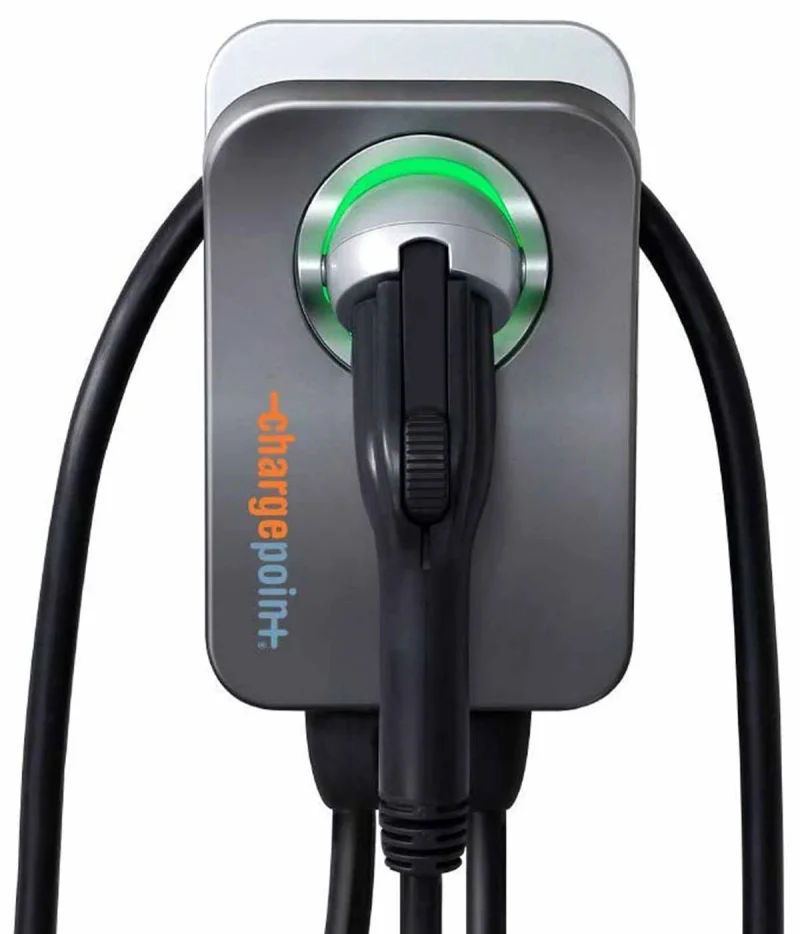
50A networked L2, OCPP, session metering, ChargePoint Station Groups
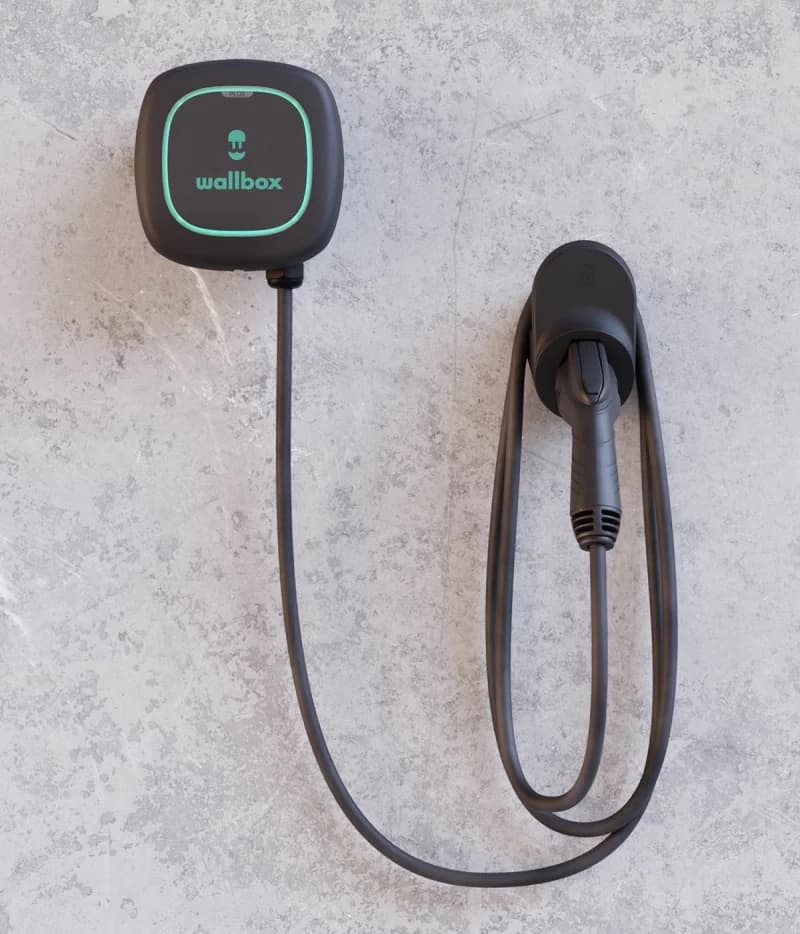
40–48A L2 with 24-port smart load sharing, OCPP 1.6J
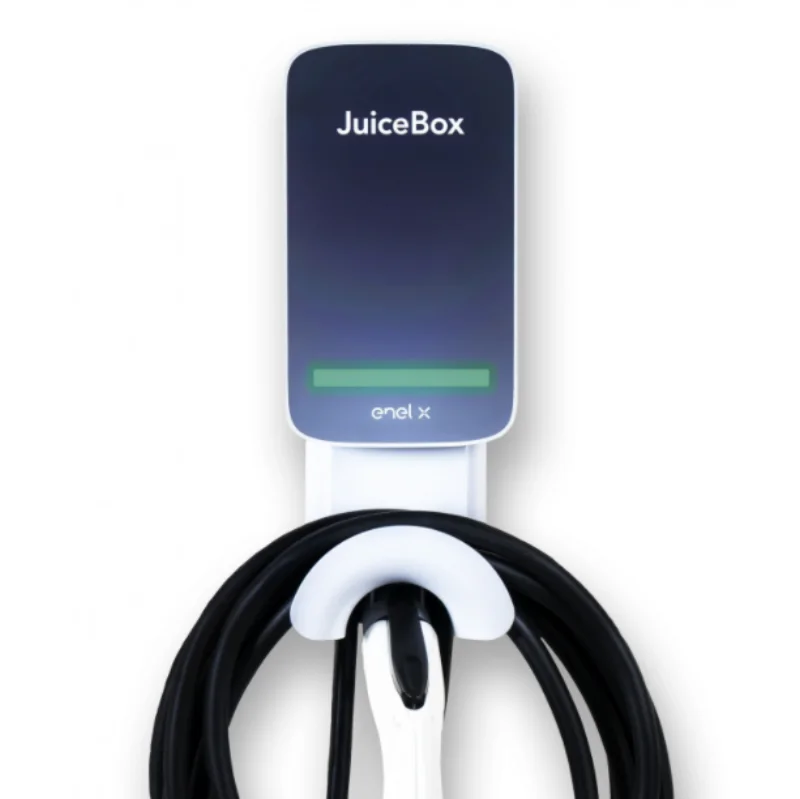
48A networked L2, WiFi + cellular, AFIG-approved
Workplace EV charging in Pennsylvania typically runs $14,000 to $38,000 for a small 2-to-4 port installation, $42,000 to $95,000 for 6-to-10 ports, $110,000 to $285,000 for 12-to-25 ports, and $260,000 and up for campus-scale deployments of 30 or more ports. Costs include networked Level 2 hardware, installation labor, electrical make-ready, load management, panel upgrades when needed, and permits. Per-port cost tends to be $6,500 to $11,000 installed before incentives for Pennsylvania workplaces, with Philadelphia and Pittsburgh urban installs at the higher end due to older electrical infrastructure.
PA DEP — AFIG
Alternative Fuels Incentive Grant program page.
PECO
Commercial rate schedules and EV tariff filings.
PPL Electric Utilities
Commercial TOU rate offerings across central PA.
Duquesne Light
Allegheny County EV program history and commercial rates.
IRS Form 8911 — Section 30C
Federal credit (ended June 30, 2026 under OBBB).
PA Public Utility Commission
Rate case filings and EV tariff tracker.
Last verified by NuWatt Incentive Team on 2026-04-14. Utility EV programs and tariffs in PA change with every rate case cycle. Confirm current offerings with each utility’s commercial account team before committing to a project scope.
NuWatt designs, installs, and manages networked Level 2 workplace charging across Pennsylvania. Stack AFIG grants with utility make-ready. The federal Section 30C credit expired June 30, 2026.