Loading NuWatt Energy...

We use your location to provide localized solar offers and incentives.
We serve MA, NH, CT, RI, ME, VT, NJ, PA, and TX
Loading NuWatt Energy...
NuWatt designs, installs, and manages solar, battery, heat pump, and EV charger systems across 9 states. One company, one warranty, one point of contact.
Get a Free Quote
A facilities-manager and CFO guide to L2 workplace charging in MA: MassEVIP Workplace & Fleet (60% / $50K per address) and National Grid and Eversource 100% make-ready + $3,900 per L2 port. The federal Section 30C credit expired June 30, 2026.
60%
MassEVIP Workplace cap
$3,900
Per L2 port (utility)
100%
Utility make-ready
Expired
30C ended Jun 30, 2026
A typical 8-port Level 2 workplace EV charging install in Massachusetts runs $55,000–$140,000 before incentives in 2026. After MassEVIP Workplace & Fleet (60% up to $50K/address) and National Grid or Eversource 100% make-ready plus $3,900/L2 port, employer net cost typically falls 55–75%. The federal Section 30C credit (6–30%) expired June 30, 2026.
Massachusetts has the highest EV adoption curve in the Northeast outside of Vermont, with roughly 8% of new-vehicle registrations going battery-electric in Q1 2026 and a state mandate targeting 100% zero-emission light-duty sales by 2035. Employees are showing up to work in EVs faster than parking garages are adding ports — and the stack of MassEVIP plus 100% utility make-ready turns what used to be a six-figure capital project into a low-four-figure-per-port net outlay. The federal Section 30C credit added a further 6–30% layer through June 30, 2026, when it expired; MassEVIP and utility make-ready remain and still carry the economics.
NuWatt designs, permits, and installs workplace L2 charging across the Greater Boston area, the South Shore, MetroWest, the 128 and 495 belts, Cape Cod, and Western Massachusetts. We own the incentive paperwork — MassEVIP applications and Eversource and National Grid make-ready designs, plus the Section 30C tract verification and Form 8911 documentation for projects placed in service on or before its June 30, 2026 expiration — so your facilities team can keep shipping its core work.
Ballpark pricing for 2026 workplace L2 builds, before any incentives:
| Project size | Install range | Typical net after MA stack | Use case |
|---|---|---|---|
| 4 ports (2 dual-port pedestals) | $28K–$65K | $8K–$22K | Small office, 40–80 space lot |
| 8 ports | $55K–$140K | $15K–$48K | Suburban office, tenant building |
| 16 ports | $125K–$290K | $42K–$110K | Office park, corporate HQ |
| 24+ ports (phased) | $200K–$450K | $80K–$180K | Campus, hospital, large employer |
Ranges assume networked L2 hardware (ChargePoint CT4000, Blink Series 8, or EV Connect CTEP-4), pedestal or wall-mount, trenching up to 150 ft, and networking / software for 3 years. Projects with new transformers, primary service upgrades, or Boston ISD historic review land at the high end.
All three investor-owned electric utilities in Massachusetts run make-ready and per-port EV infrastructure programs. Here is how they compare for workplace customers in 2026:
Unitil covers about 28,000 electric customers in Fitchburg and surrounding North-Central MA towns. Its rate-case EV program funds a portion of make-ready plus a smaller per-port incentive; projects here are rarer and often benefit from pairing with regional grants through MassCEC.
All four clear MassEVIP approved-products screening and qualify for the $3,900 per-port Eversource / National Grid rebate tier.
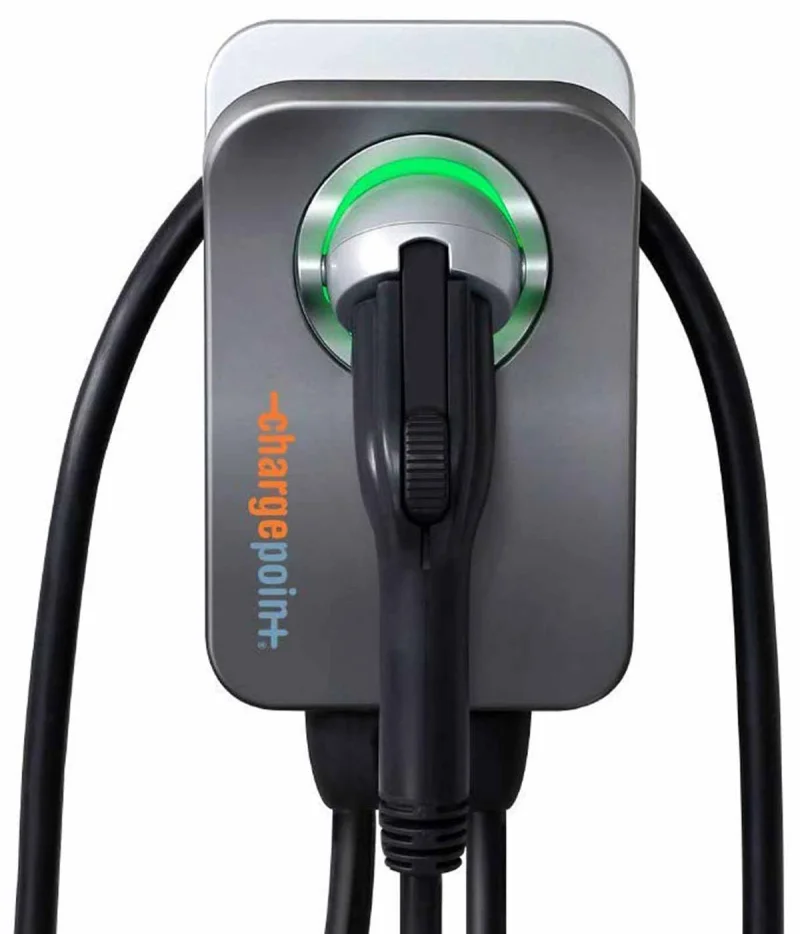
50A networked L2, OCPP firmware, session metering
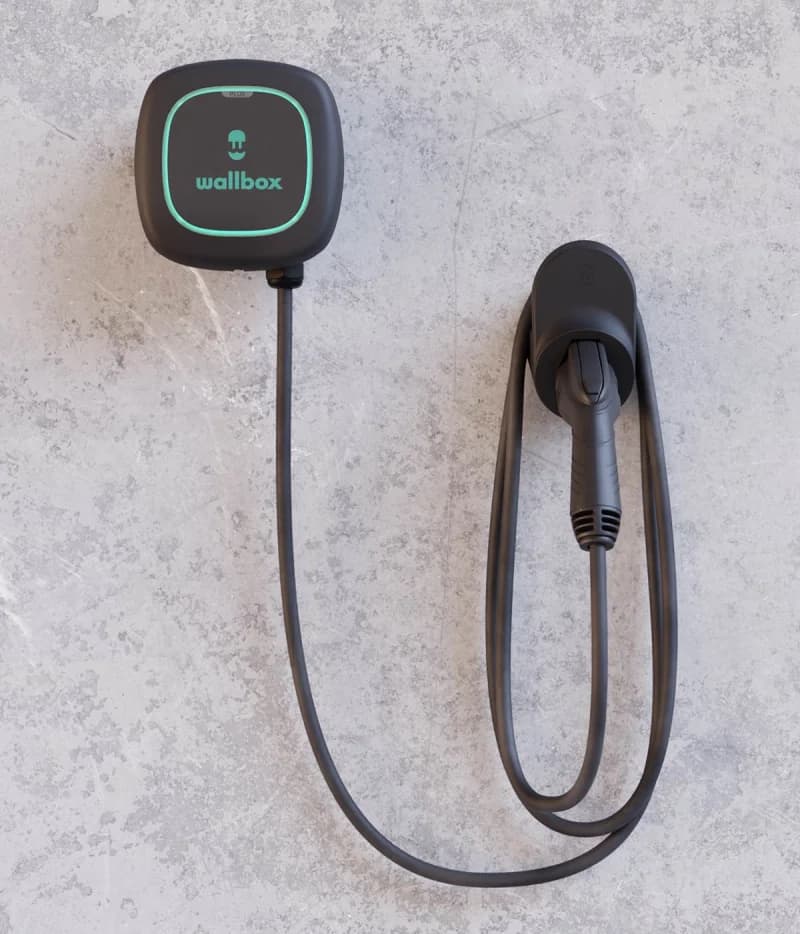
40–48A L2 with dynamic load sharing
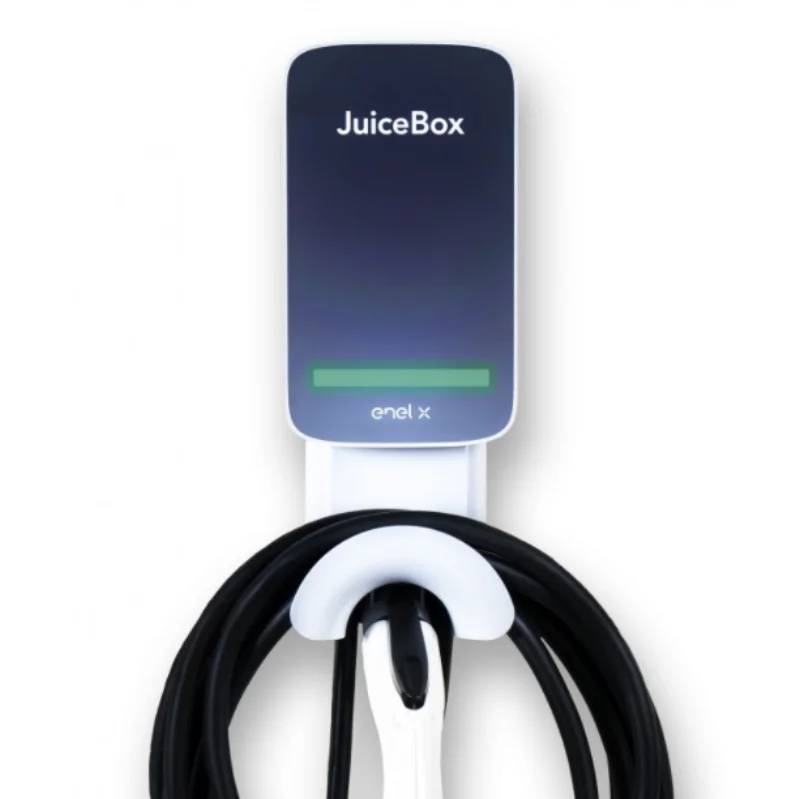
48A networked L2, WiFi + cellular, 25 ft cable
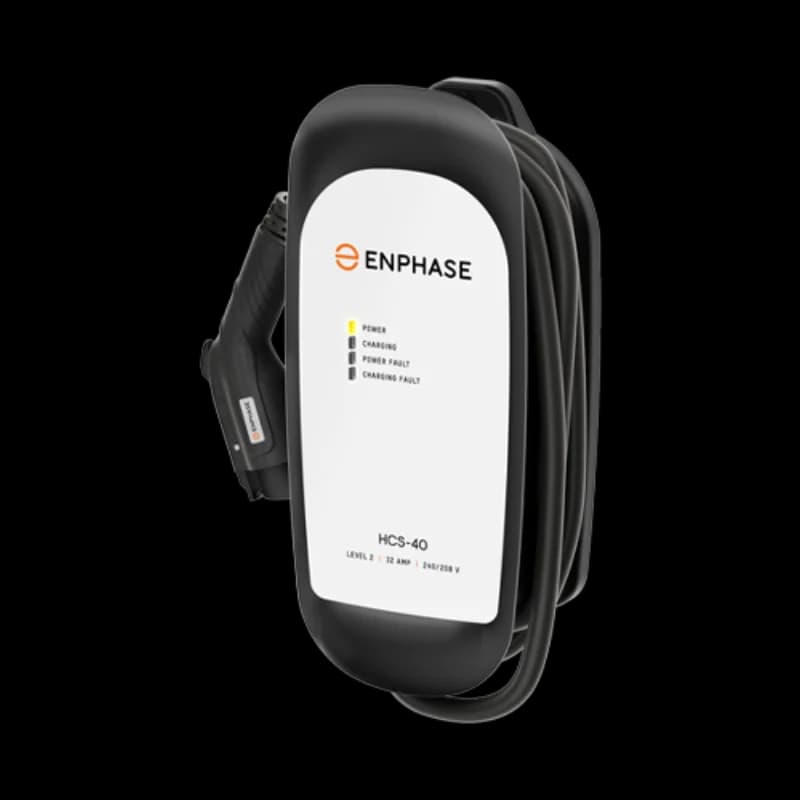
40A ruggedized L2, NEMA 4 enclosure
No longer — the federal Section 30C credit expired June 30, 2026 and can no longer be claimed on new projects. While it was active it applied only to property in a qualifying census tract placed in service on or before that date. It covered 6% of eligible EV charger property cost (cap $100,000 per item — each port, each storage unit, each dispenser), rising to 30% when prevailing-wage and registered apprenticeship (PWA) requirements were met on the construction labor.
Gateway Cities (Lawrence, Lowell, Lynn, Fall River, New Bedford, Brockton, Springfield, Holyoke, Chicopee, Fitchburg, Worcester core, Haverhill, Chelsea, Revere, Everett) and most non-urban tracts in Western MA, the North Quabbin, and large swaths of Cape Cod west of Route 6 generally qualified. Dense Boston / Cambridge / Brookline / Newton / Somerville parcels frequently did not. Because the credit expired June 30, 2026, tract status now matters only for projects placed in service on or before that date.
Tax-exempt buyers — municipalities, public colleges and universities, nonprofit hospitals, 501(c)(3) campuses — could use Section 30C via elective / direct pay on projects placed in service on or before June 30, 2026. That was a meaningful win for Worcester Polytechnic, UMass campuses, and municipal school districts that would otherwise be unable to monetize a nonrefundable credit; the credit has since expired.
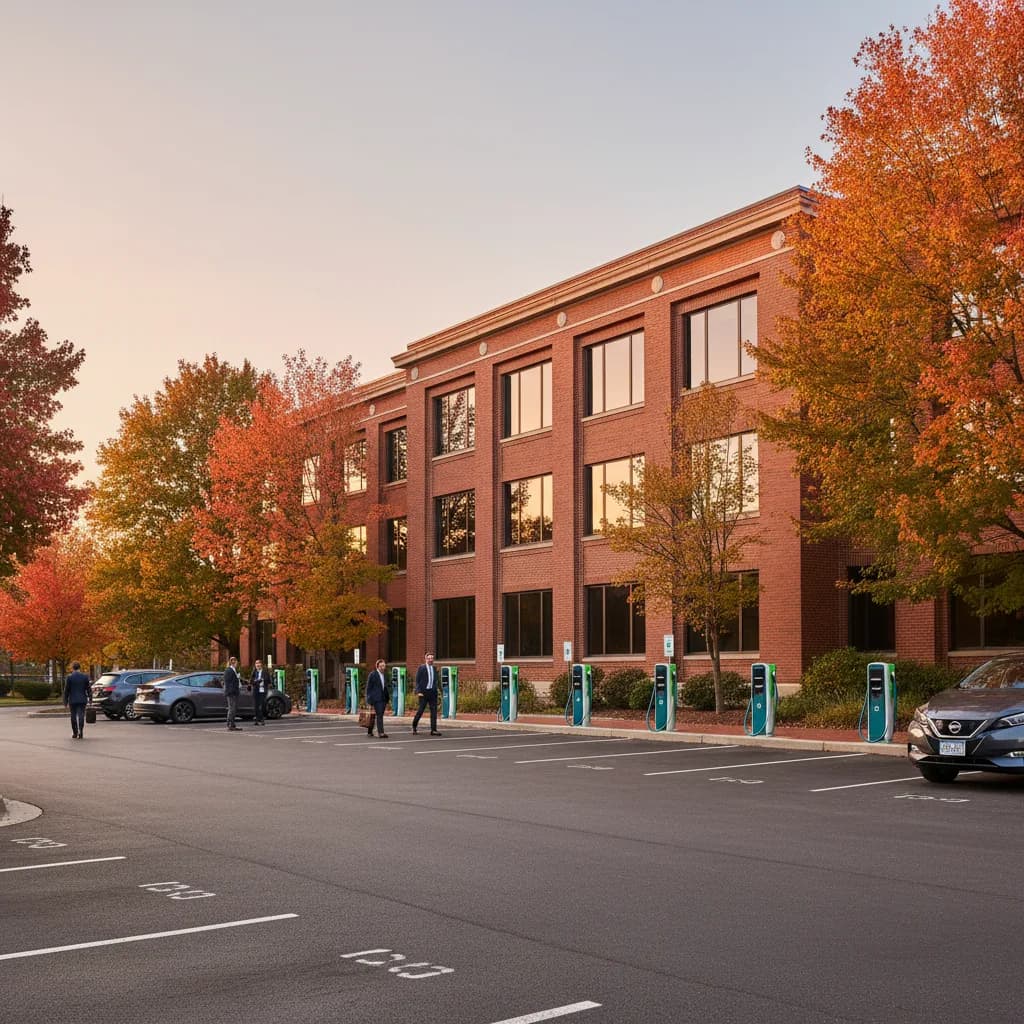
Representative MetroWest office park with 16 networked L2 ports in an Eversource zone. A Gateway-City-equivalent census tract cleared Section 30C before it expired June 30, 2026.
This illustration applies the pre-expiration 30% PWA Section 30C credit to the remaining customer-side basis after MassEVIP. The federal credit expired June 30, 2026; current MetroWest projects net to the pre-30C line (Eversource make-ready plus per-port rebate plus MassEVIP).
Boston ISD electrical permitting runs fast (1–2 weeks) but Back Bay, Beacon Hill, Charlestown, and parts of South End historic districts require Landmarks Commission sign-off on exterior equipment. Cambridge ISD adds a parallel review for Harvard Square, Central Square, and Riverside historic overlays. Expect $0.18–$0.24/kWh delivered with Eversource default service plus supply — making TOU-aware managed charging a real revenue lever.
Eversource + Cape Light Compact territory. Seasonal tourism means workplace chargers often double as public-access in shoulder months. Flood-zone setbacks (Velocity Zones, Barnstable coastal overlay) dictate pedestal elevation and conduit routing. Hingham and Braintree municipal-light customers are outside Eversource/National Grid programs; they have their own smaller EV tariffs.
The Route 128 and I-495 corporate corridor (Waltham, Burlington, Marlborough, Westborough, Franklin) is where most MA workplace charging deals close. Parking-rich campuses, ample transformer headroom, and long-tenure tenants make 16- to 32-port phased builds the sweet spot. National Grid and Eversource both serve this belt with overlapping territory in Framingham and Natick.
Springfield, Holyoke, Chicopee, Northampton, Pittsfield — National Grid territory (with Unitil in a small slice of Worcester County). Non-urban census tract coverage is high, which had unlocked Section 30C for many parcels that would not qualify in Eastern MA before that credit expired June 30, 2026. MassCEC grants and the MA Clean Energy Center Equitable Workforce program stack with MassEVIP for qualifying Gateway Cities.
We pull your interval meter data, verify transformer capacity, measure parking-lot geometry, and run a draft 30C census-tract check. 3–5 business days.
We size MassEVIP (up to $50K/address), Eversource / National Grid make-ready, and any applicable MassCEC grants against a concrete budget. The federal Section 30C credit expired June 30, 2026.
We file MassEVIP Workplace & Fleet, submit the utility make-ready application, and coordinate any town building / electrical permits.
Sealed electrical drawings, make-ready coordination with your utility account rep, and hardware procurement (ChargePoint, Blink, EV Connect, or Wallbox Commercial).
Trenching, conduit, panel or sub-panel install, transformer work (utility-led on 100% make-ready projects), and EVSE mounting.
Firmware, network activation, driver app setup, employee registration, and demand-response enrollment where available.
We file utility usage reports. The federal Section 30C credit expired June 30, 2026; for projects placed in service on or before that date we supplied the IRS Form 8911 documentation the tax preparer needed to claim it.
A typical 8-port Level 2 workplace EV charging install in Massachusetts runs $55,000 to $140,000 before incentives in 2026. Hardware runs $3,500 to $7,500 per port for networked L2 (ChargePoint CT4000, Blink Series 8, EV Connect CTEP-4), with the remainder going to trenching, conduit, service panel or transformer upgrades, permitting, and networking software. After MassEVIP Workplace & Fleet (60%, capped $50,000 per address) and National Grid or Eversource make-ready (which covers the utility-side infrastructure), employer net cost often falls 55–75%.
Mass.gov — MassEVIP Workplace & Fleet
MassDEP incentive program official page and application portal.
National Grid MA — EV Charging Program
100% make-ready + $3,900/L2 port tariff documentation.
Eversource MA — Business EV Charging
Workplace and DCFC infrastructure program + managed-charging bonus.
IRS Form 8911 — Section 30C
Federal Alternative Fuel Vehicle Refueling Property Credit — expired June 30, 2026.
527 CMR 12.00 — MA Electrical Code
Massachusetts Electrical Code governing EVSE wiring and disconnects.
MassCEC — Clean Energy Incentives
Complementary MassCEC workforce and grant programs.
Last verified by NuWatt Incentive Team on 2026-04-14.
We model MassEVIP + utility make-ready against your actual site in 5 business days. Section 30C expired June 30, 2026.